


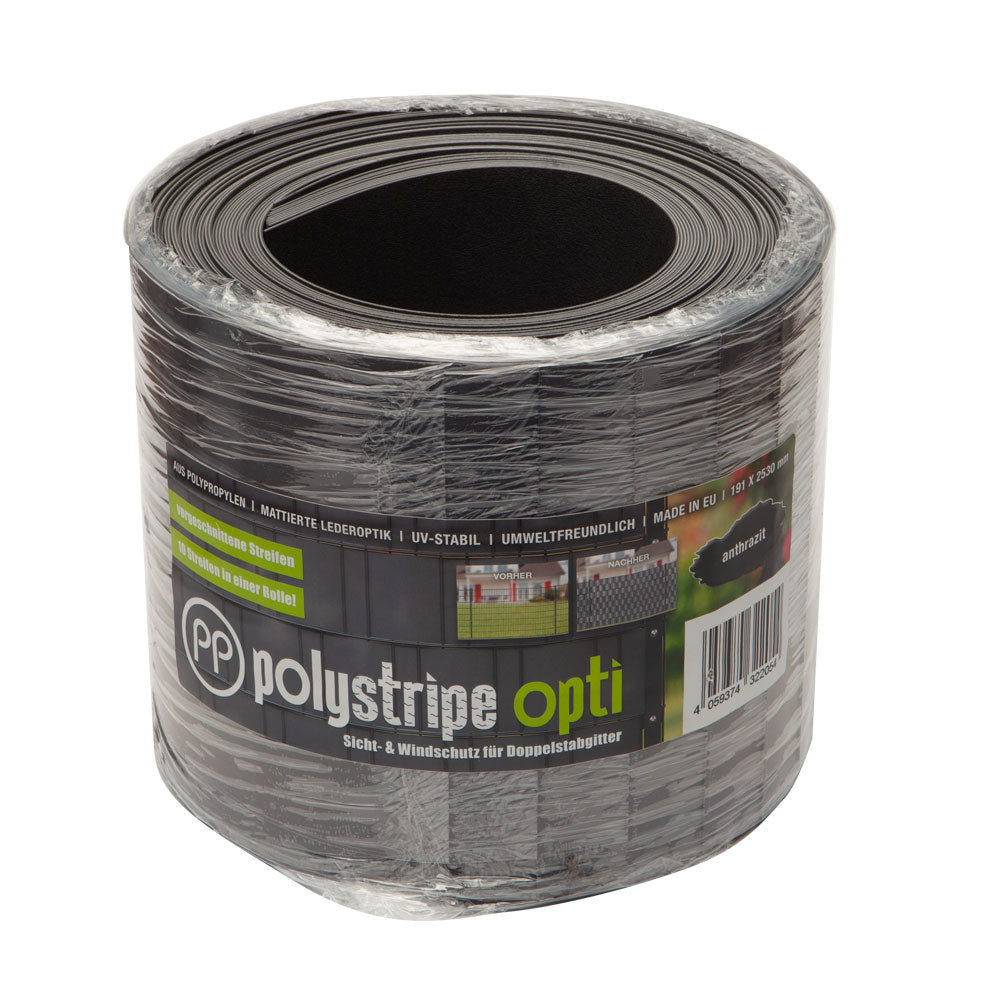
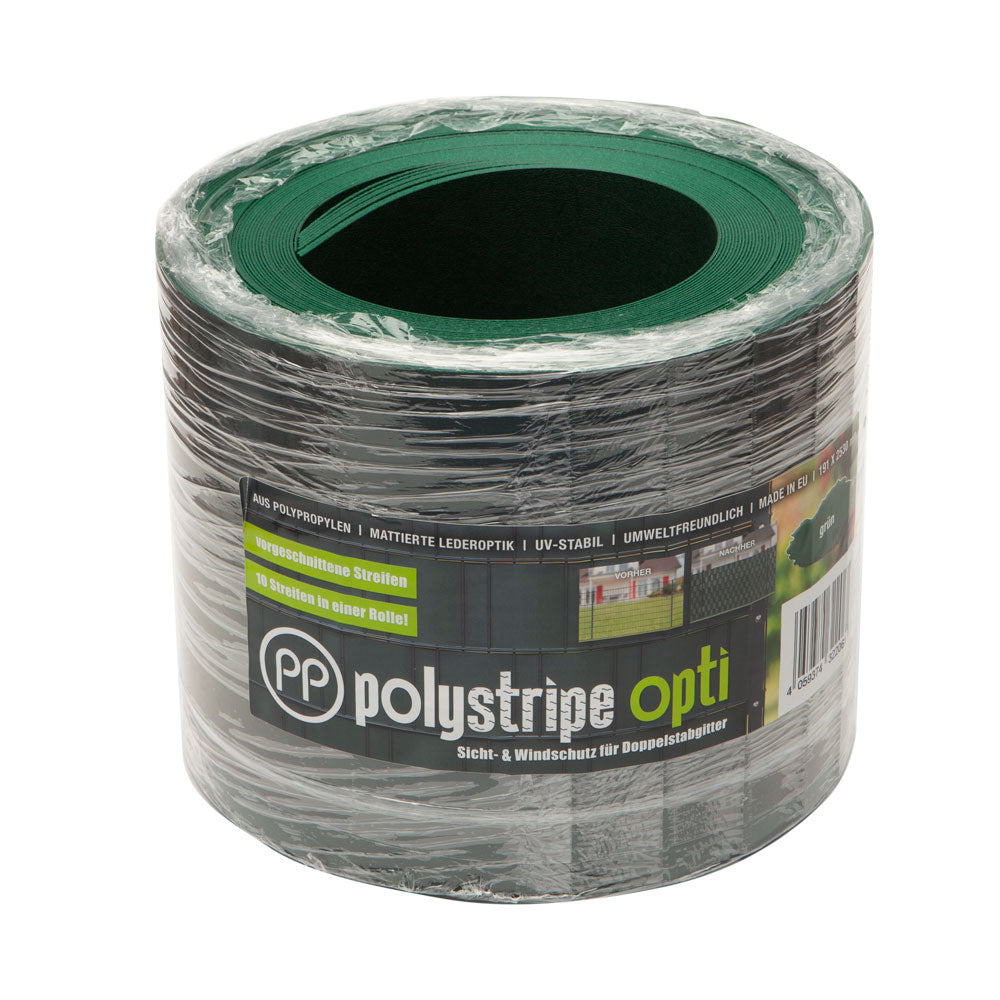
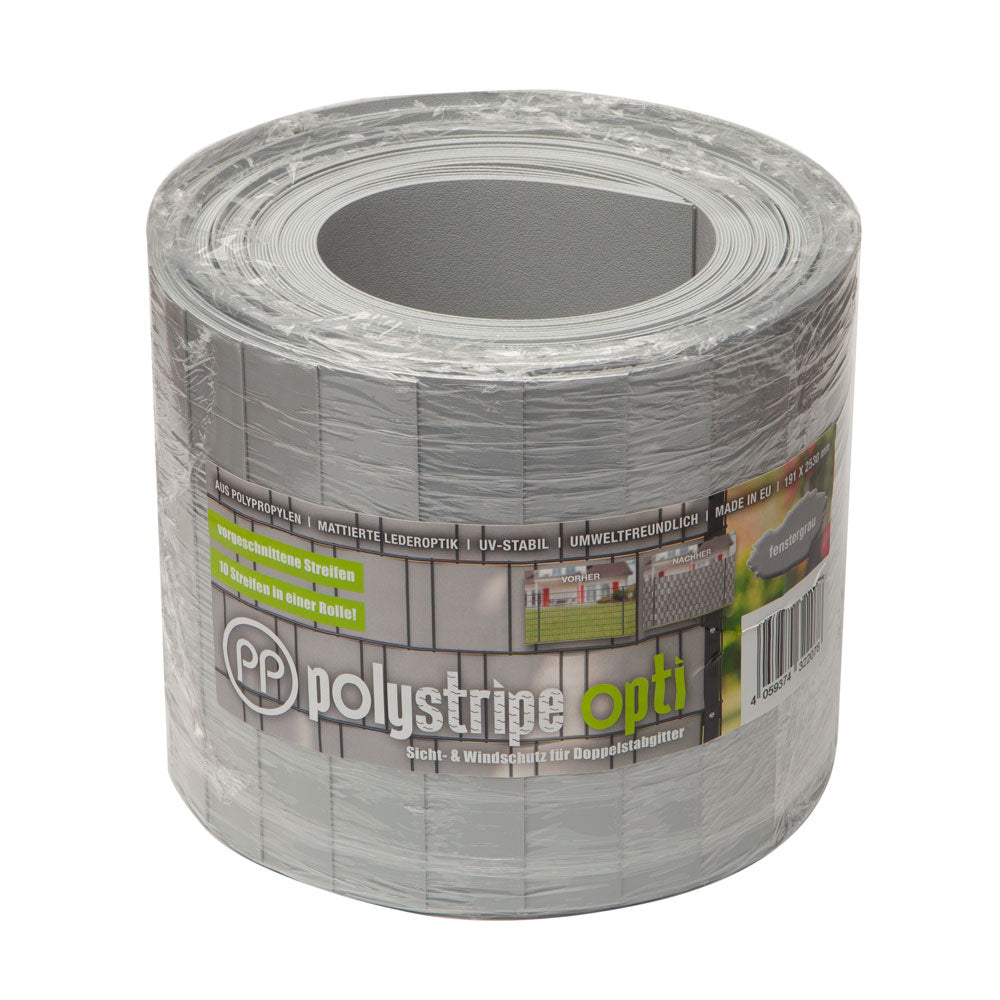
Sichtschutzstreifen polystripe opti PP – 10 Streifen 191 x 2530 mm auf Rolle, anthrazitgrau, moosgrün oder fenstergrau
Farbe
Kostenfreier Versand Versandinfos
Spedition/Paketdienst mit Terminankündigung (Avis)
Sie erhalten Ihr Angebot als PDF per E-Mail – in der Regel sofort. Produkt, Ausführung und Menge übernehmen wir unverändert.
Wir haben Ihre Anfrage aufgenommen. Das Angebot erreicht Sie gleich per E-Mail – schauen Sie bitte auch im Spam-Ordner nach.
- Service & Beratung
- Kauf auf Rechnung (B2B)
- Fachbetrieb seit 1955
- Sichere Bestellung mit Käuferschutz


Choose options
Farbe
Kostenfreier Versand Versandinfos
Spedition/Paketdienst mit Terminankündigung (Avis)
Sie erhalten Ihr Angebot als PDF per E-Mail – in der Regel sofort. Produkt, Ausführung und Menge übernehmen wir unverändert.
Wir haben Ihre Anfrage aufgenommen. Das Angebot erreicht Sie gleich per E-Mail – schauen Sie bitte auch im Spam-Ordner nach.
- Service & Beratung
- Kauf auf Rechnung (B2B)
- Fachbetrieb seit 1955
- Sichere Bestellung mit Käuferschutz
Farbe
Kostenfreier Versand Versandinfos
Spedition/Paketdienst mit Terminankündigung (Avis)
Sie erhalten Ihr Angebot als PDF per E-Mail – in der Regel sofort. Produkt, Ausführung und Menge übernehmen wir unverändert.
Wir haben Ihre Anfrage aufgenommen. Das Angebot erreicht Sie gleich per E-Mail – schauen Sie bitte auch im Spam-Ordner nach.
- Service & Beratung
- Kauf auf Rechnung (B2B)
- Fachbetrieb seit 1955
- Sichere Bestellung mit Käuferschutz
Sichtschutzstreifen polystripe opti
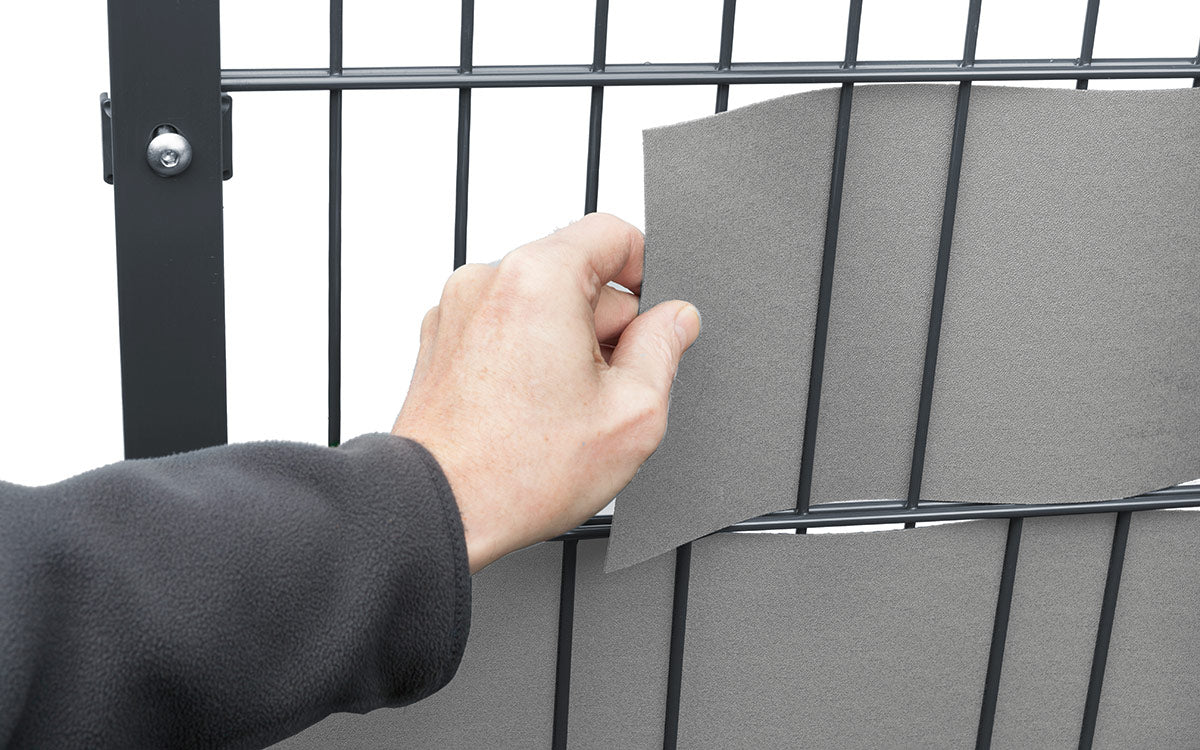
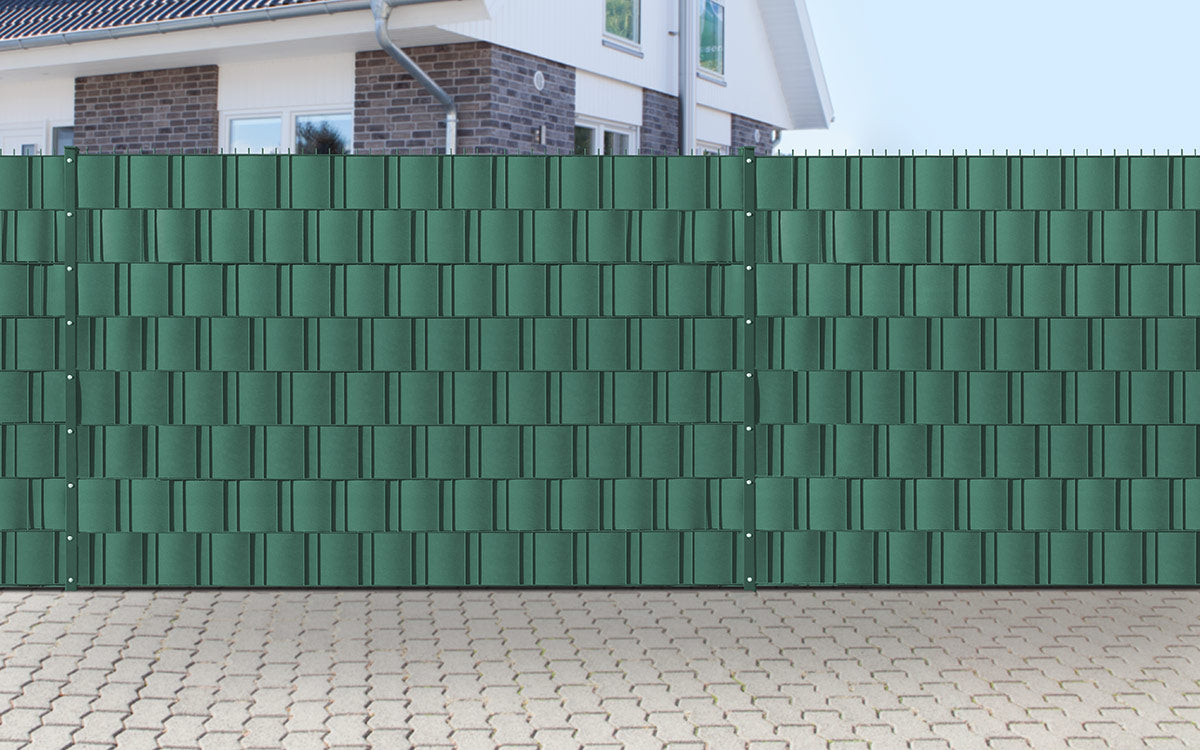
polystripe opti kommt als Rolle mit 10 fertig konfektionierten Streifen. Jeder Streifen ist 2530 mm lang und 191 mm hoch und wird in die Doppelstabmatte eingeflochten. Laut Hersteller passt er zu allen Stahlgitterzäunen mit 200 mm Maschenhöhe.
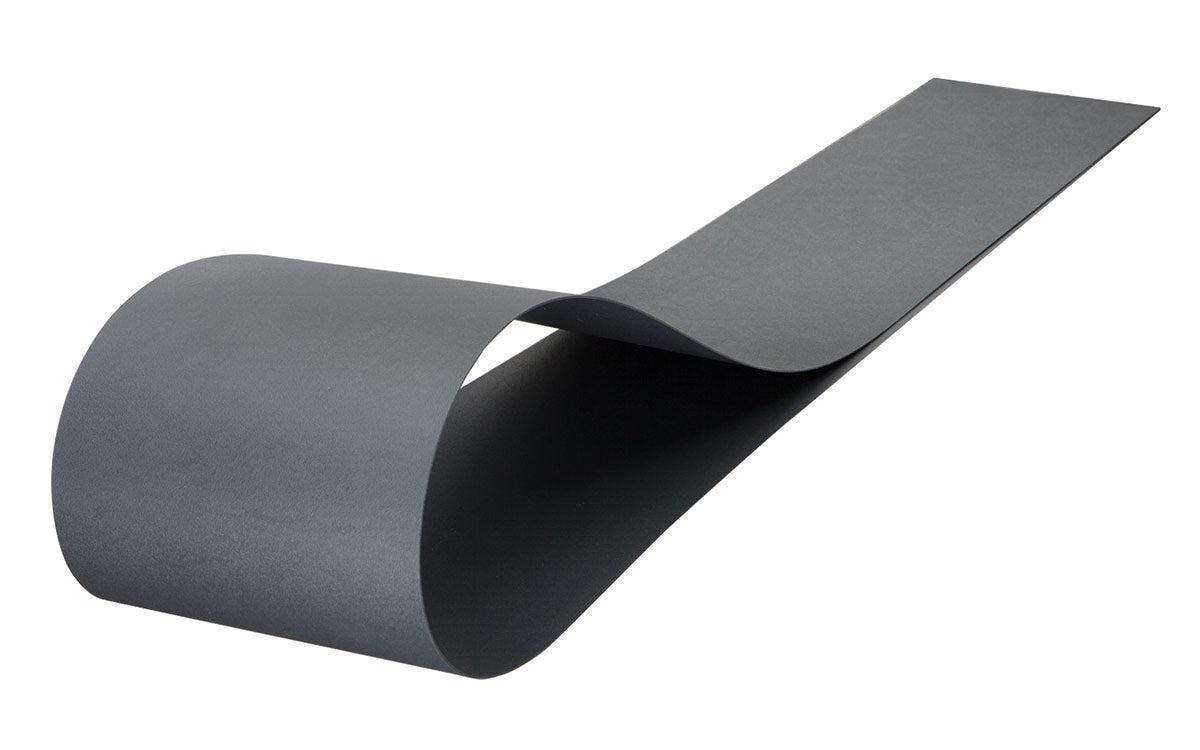
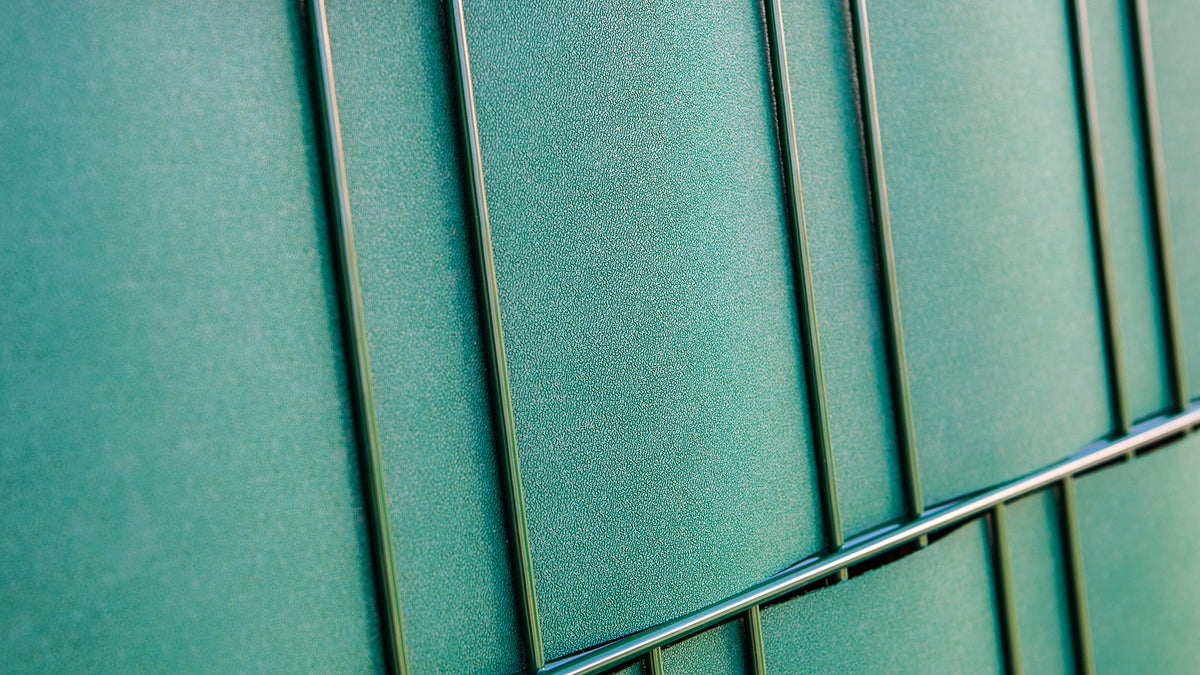
Das Material ist ein festes Polypropylen-Gewebe. Hat Ihr Zaunpfosten eine Abdeckleiste, brauchen Sie deshalb laut Hersteller keine Klemmschienen. Die Oberfläche ist beidseitig genarbt, der Hersteller nennt eine Lichtabsorption von über 98 Prozent. Auch für Torflügel der Serien VARIO trend und VARIO compact ist polystripe opti vorgesehen.
Technische Daten
- Material: Polypropylen-Gewebe (PP)
- 10 Streifen je Rolle, je 2530 x 191 mm
- Stärke 1,1 mm
- Farben: Anthrazitgrau, Moosgrün, Fenstergrau
- Weitere RAL-Farbtöne auf Anfrage
Hinweis zur Windlast
Ein geschlossener Sichtschutz erhöht die Windlast auf den Zaun. Prüfen Sie, ob Ihr Zaun für die örtlichen Windverhältnisse ausgelegt ist. Wir beraten Sie gern.
Alle Streifen und Rollen finden Sie unter Sichtschutzstreifen & Sichtschutzrollen.
Manufacturer:
Kirchberger Metall Onlinevertrieb GmbH
Neunburger Str. 2c
92431 Neunburg v. W. / Seebarn
Germany
Contact:
Email: shop@kirchberger-metall.de
Telephone: +49 (0) 9672 9269110


