


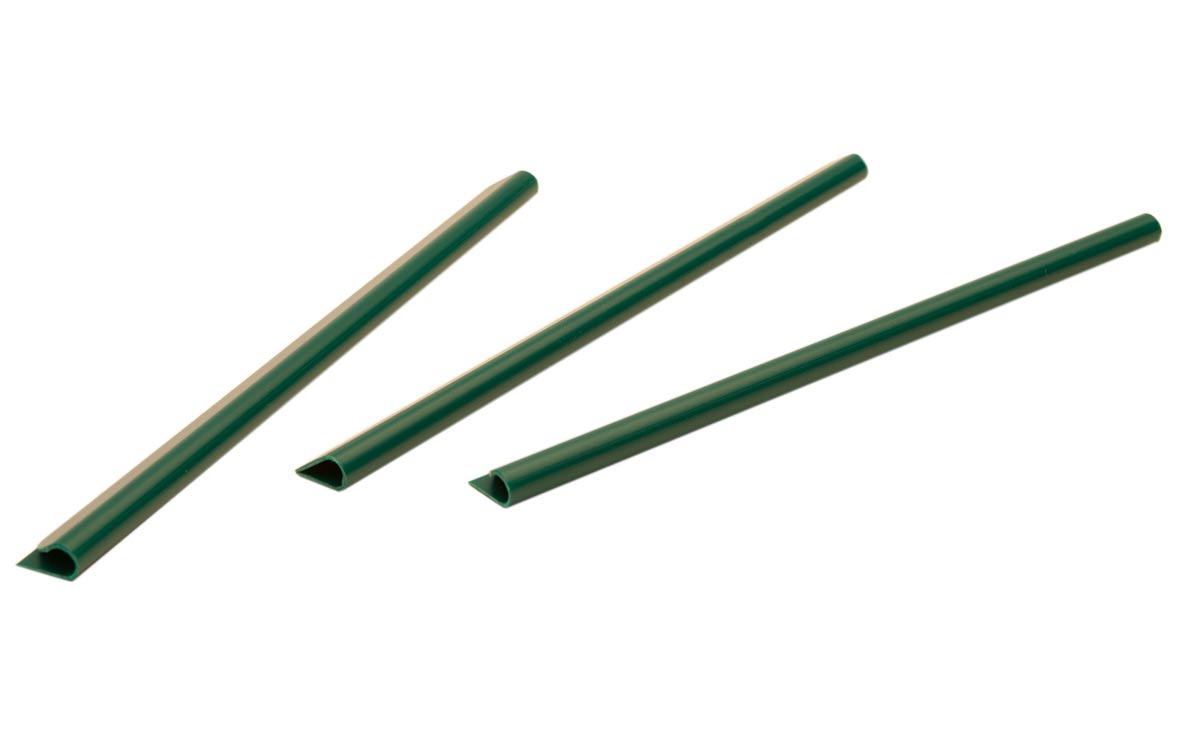
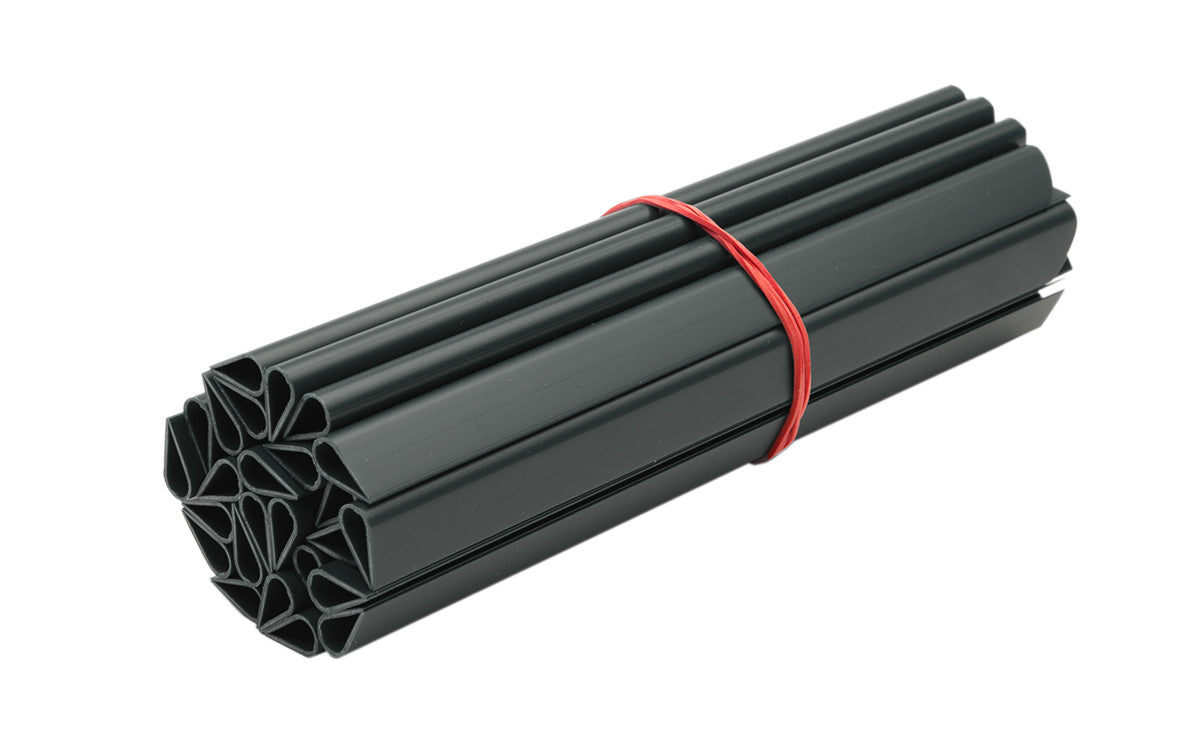
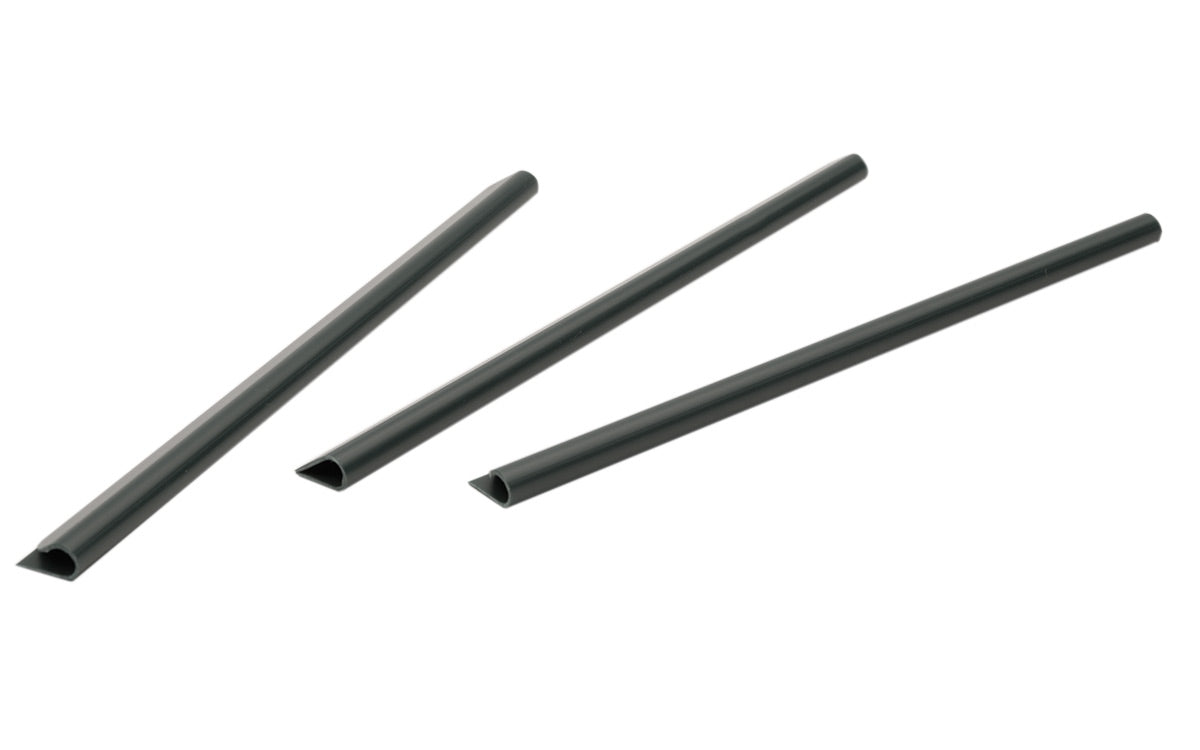
Clamping Rails for Privacy Screening Strips, Pack of 100
Color
Parcel or freight item: plus shipping, free shipping within Germany from €1,000 Shipping info
Spedition/Paketdienst mit Terminankündigung (Avis)
Sie erhalten Ihr Angebot als PDF per E-Mail – in der Regel sofort. Produkt, Ausführung und Menge übernehmen wir unverändert.
Wir haben Ihre Anfrage aufgenommen. Das Angebot erreicht Sie gleich per E-Mail – schauen Sie bitte auch im Spam-Ordner nach.
- Service & Beratung
- Kauf auf Rechnung (B2B)
- Fachbetrieb seit 1955
- Sichere Bestellung mit Käuferschutz


Choose options
Color
Parcel or freight item: plus shipping, free shipping within Germany from €1,000 Shipping info
Spedition/Paketdienst mit Terminankündigung (Avis)
Sie erhalten Ihr Angebot als PDF per E-Mail – in der Regel sofort. Produkt, Ausführung und Menge übernehmen wir unverändert.
Wir haben Ihre Anfrage aufgenommen. Das Angebot erreicht Sie gleich per E-Mail – schauen Sie bitte auch im Spam-Ordner nach.
- Service & Beratung
- Kauf auf Rechnung (B2B)
- Fachbetrieb seit 1955
- Sichere Bestellung mit Käuferschutz
Color
Parcel or freight item: plus shipping, free shipping within Germany from €1,000 Shipping info
Spedition/Paketdienst mit Terminankündigung (Avis)
Sie erhalten Ihr Angebot als PDF per E-Mail – in der Regel sofort. Produkt, Ausführung und Menge übernehmen wir unverändert.
Wir haben Ihre Anfrage aufgenommen. Das Angebot erreicht Sie gleich per E-Mail – schauen Sie bitte auch im Spam-Ordner nach.
- Service & Beratung
- Kauf auf Rechnung (B2B)
- Fachbetrieb seit 1955
- Sichere Bestellung mit Käuferschutz
Clamping rails – the part without which the screening creeps
Privacy screening is held in the mesh by friction alone. At the ends of a run that is not enough: in the wind the material works its way out, and after two summers the top row sits crooked. The clamping rail solves that mechanically.
How it works
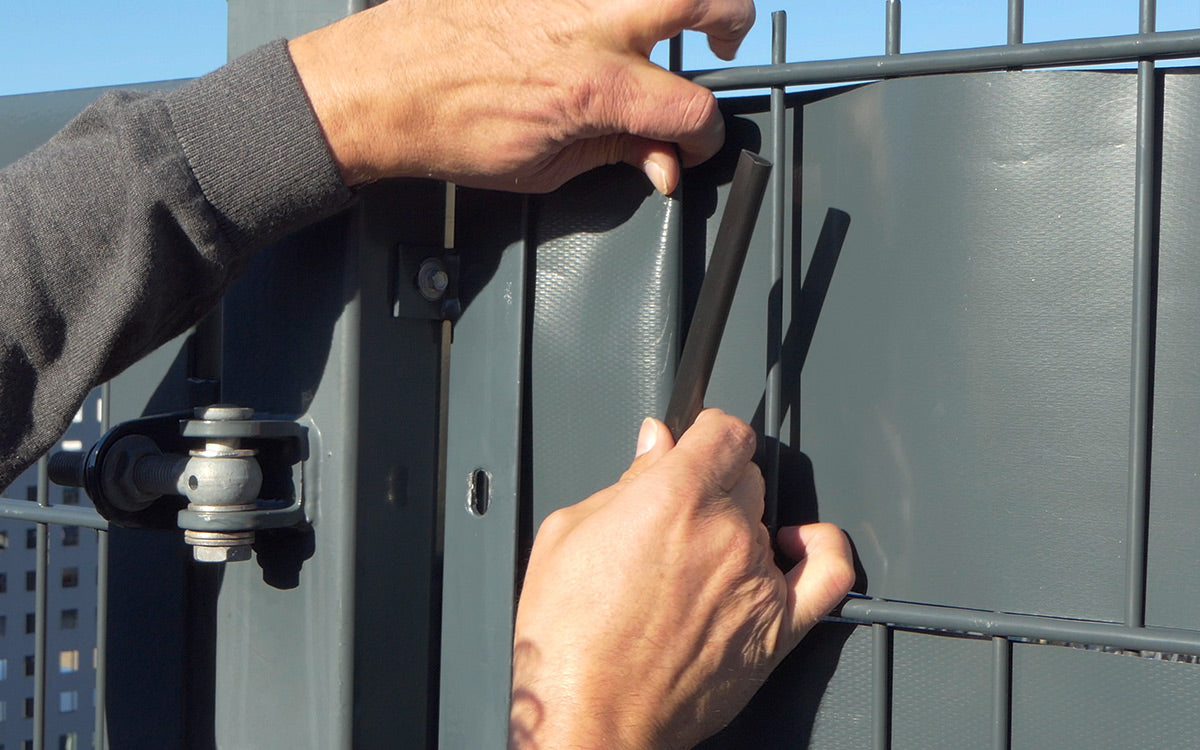
The roll material is pulled around the vertical mesh rod and then secured with the clamping rail – the strip is clamped between rail and rod. That also gives you a clean finished edge instead of a frayed end. It is designed for the roll materials A1-Blickdicht and zaun-tex.
Technical data
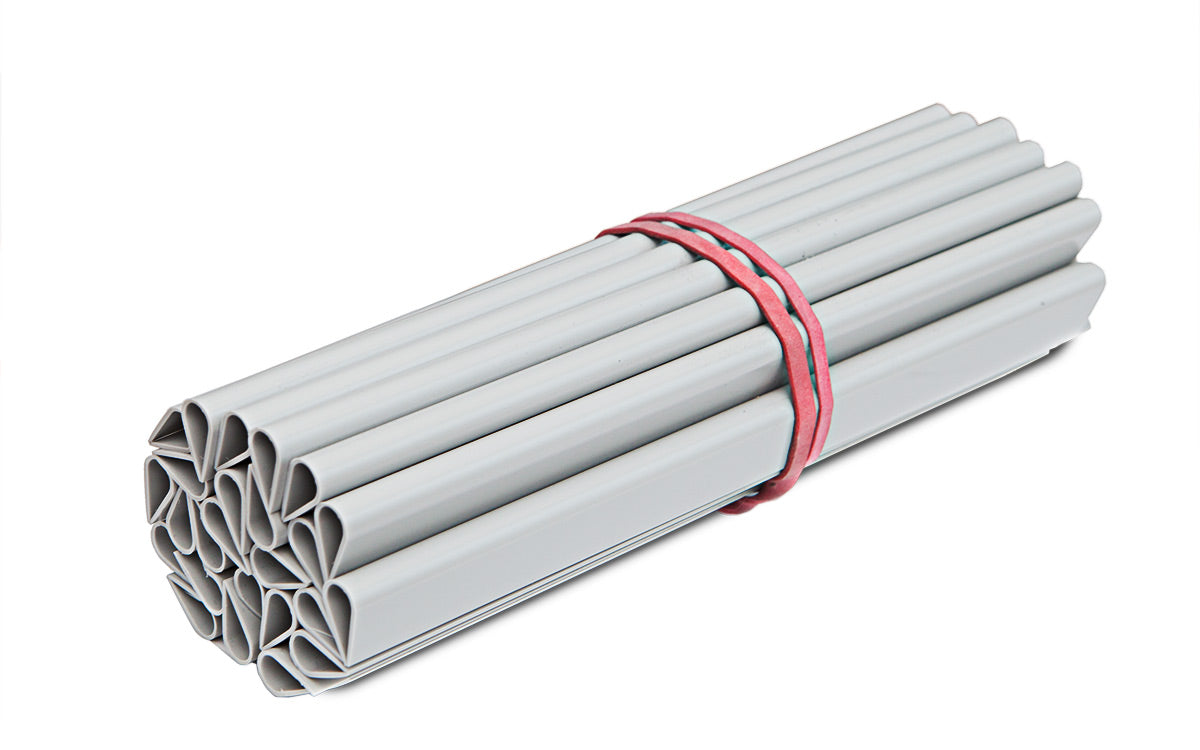
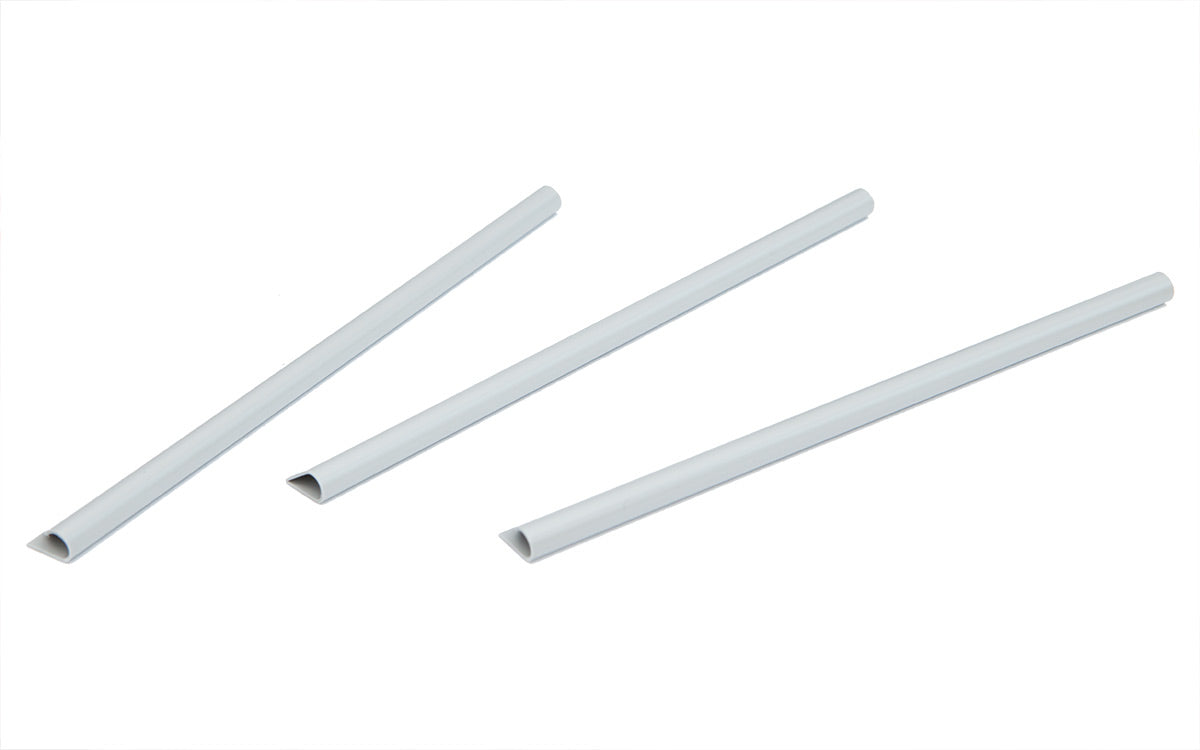
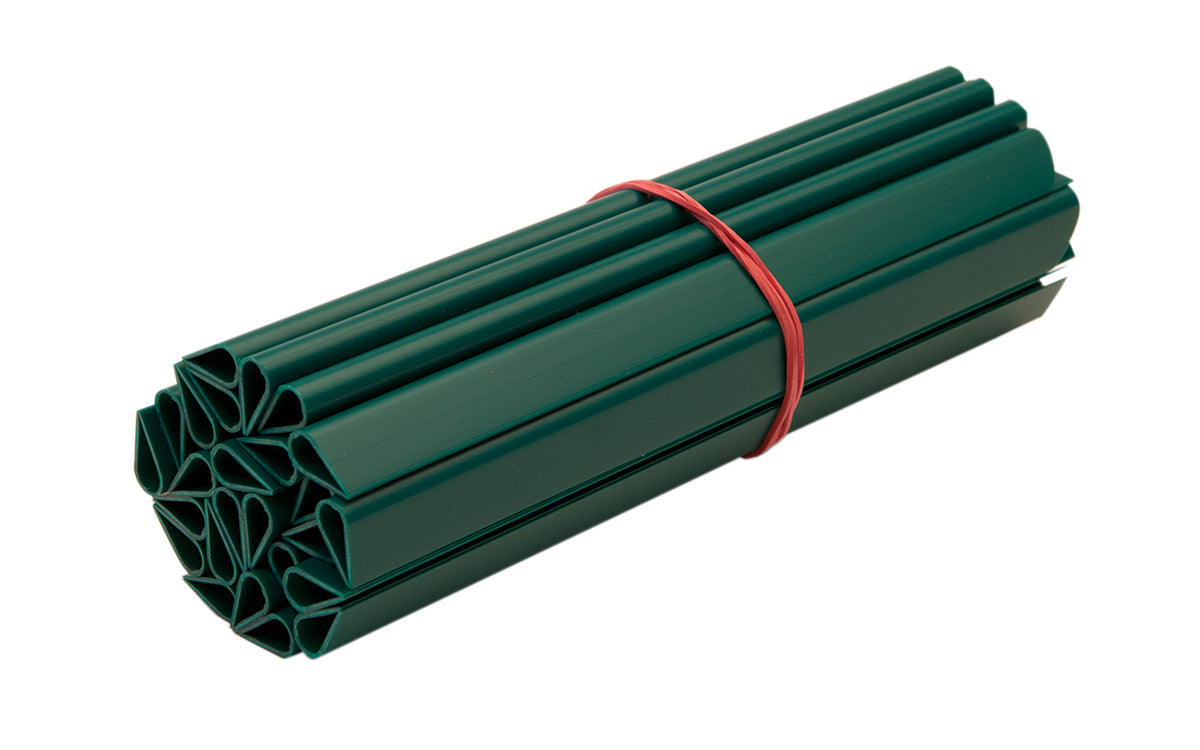
- Pack: 100 pieces
- Colors: signal gray, moss green, jet black
- Use: securing and finishing privacy and wind screening strips on double-rod mesh
How many you need
One rail per end of a run. On a fence 20 m long and 1.20 m high where you start a new run at every second post, you end up at around 50 pieces. As a rough guide, multiply the number of rows by the number of starting points, then double it for both ends.
You will find the matching roll material under Privacy Screening Rolls & Material by the Meter.
Manufacturer:
Kirchberger Metall Onlinevertrieb GmbH
Neunburger Str. 2c
92431 Neunburg v. W. / Seebarn
Germany
Contact:
Email: shop@kirchberger-metall.de
Telephone: +49 (0) 9672 9269110


