


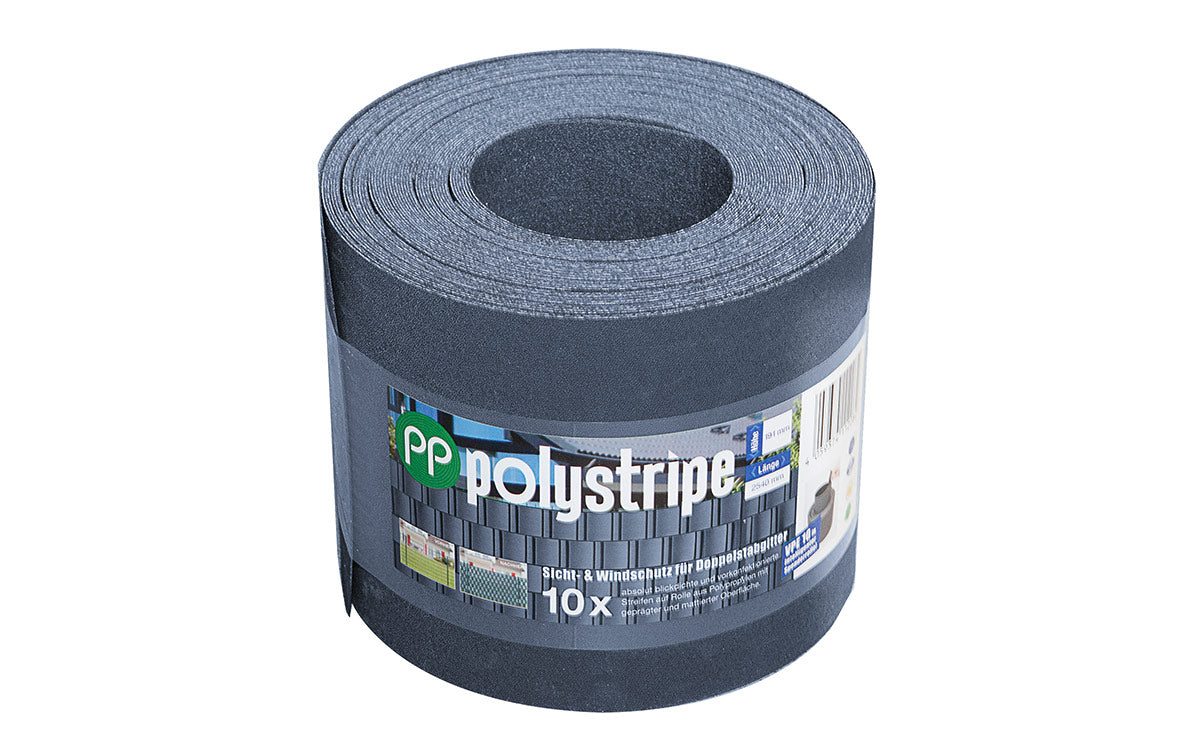

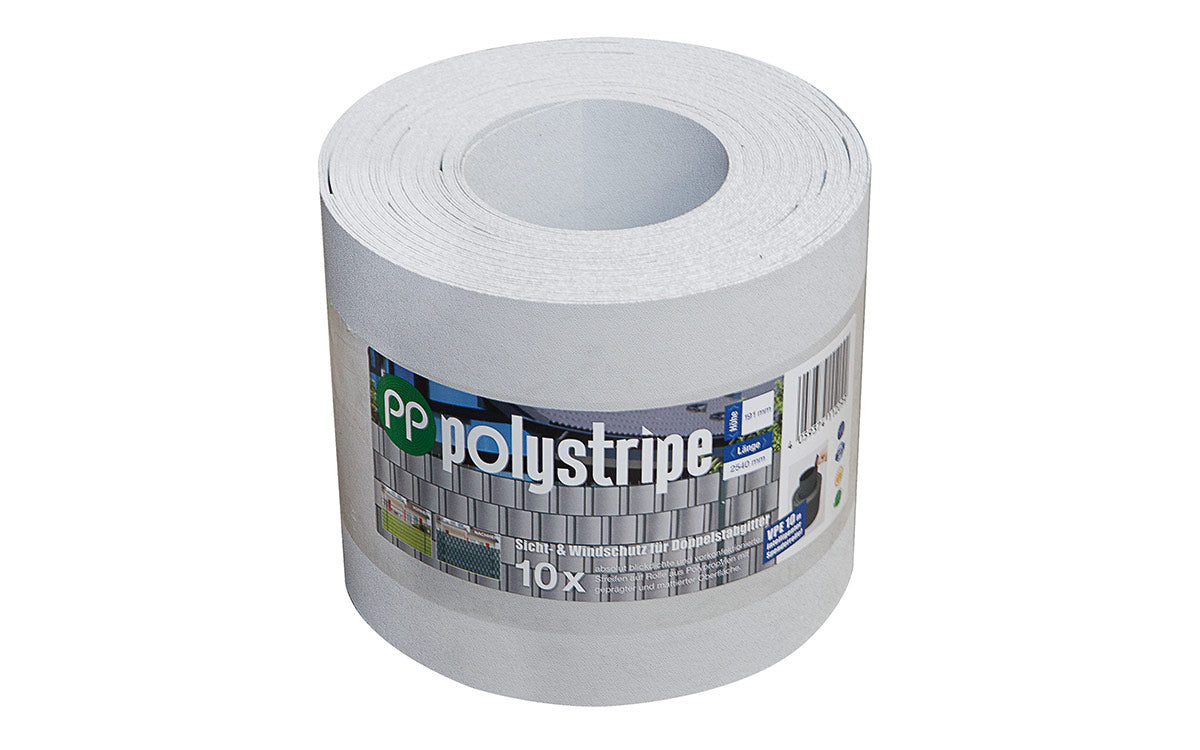
polystripe PP Privacy Screen Strips, Set of 10, 190 x 2530 mm
Color
Parcel or freight item: plus shipping, free shipping within Germany from €1,000 Shipping info
Spedition/Paketdienst mit Terminankündigung (Avis)
Sie erhalten Ihr Angebot als PDF per E-Mail – in der Regel sofort. Produkt, Ausführung und Menge übernehmen wir unverändert.
Wir haben Ihre Anfrage aufgenommen. Das Angebot erreicht Sie gleich per E-Mail – schauen Sie bitte auch im Spam-Ordner nach.
- Service & Beratung
- Kauf auf Rechnung (B2B)
- Fachbetrieb seit 1955
- Sichere Bestellung mit Käuferschutz


Choose options
Color
Parcel or freight item: plus shipping, free shipping within Germany from €1,000 Shipping info
Spedition/Paketdienst mit Terminankündigung (Avis)
Sie erhalten Ihr Angebot als PDF per E-Mail – in der Regel sofort. Produkt, Ausführung und Menge übernehmen wir unverändert.
Wir haben Ihre Anfrage aufgenommen. Das Angebot erreicht Sie gleich per E-Mail – schauen Sie bitte auch im Spam-Ordner nach.
- Service & Beratung
- Kauf auf Rechnung (B2B)
- Fachbetrieb seit 1955
- Sichere Bestellung mit Käuferschutz
Color
Parcel or freight item: plus shipping, free shipping within Germany from €1,000 Shipping info
Spedition/Paketdienst mit Terminankündigung (Avis)
Sie erhalten Ihr Angebot als PDF per E-Mail – in der Regel sofort. Produkt, Ausführung und Menge übernehmen wir unverändert.
Wir haben Ihre Anfrage aufgenommen. Das Angebot erreicht Sie gleich per E-Mail – schauen Sie bitte auch im Spam-Ordner nach.
- Service & Beratung
- Kauf auf Rechnung (B2B)
- Fachbetrieb seit 1955
- Sichere Bestellung mit Käuferschutz
polystripe Privacy Screen Strips – Ten Pieces on a Dispenser Roll
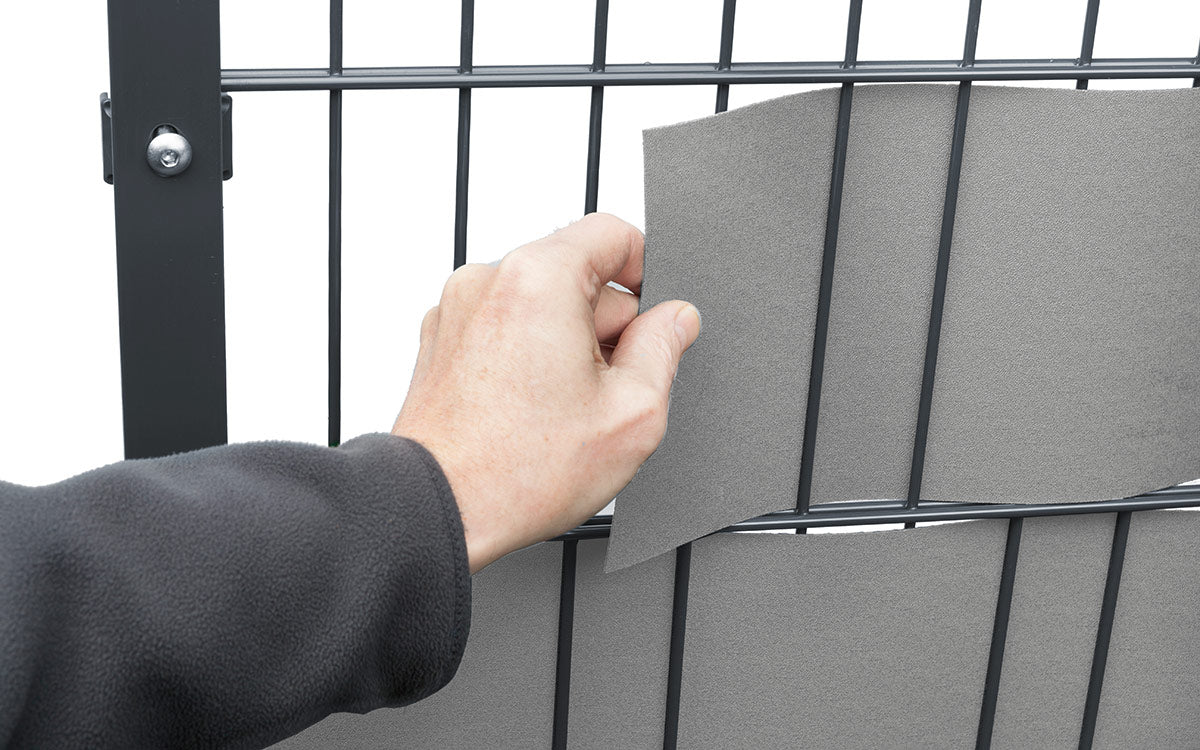
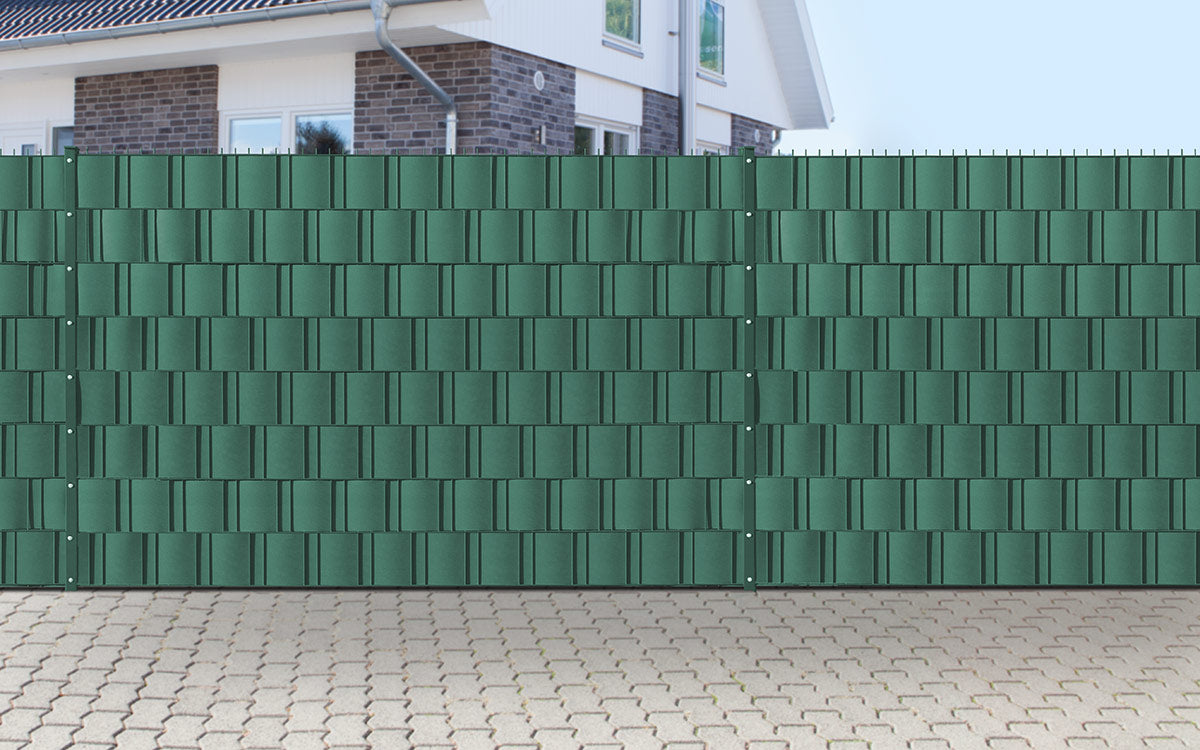
Ten pre-cut strips, delivered rolled up. You pull them off one at a time and weave them in – no measuring, no cutting, no offcuts at the end of the panel. On straight fence panels with 2.5 m center-to-center spacing, the length fits right away.
Technical Data
- Contents: 10 strips per roll
- Strip length: 2530 mm (+7/-5 mm)
- Strip height: 190 mm (+/-1 mm)
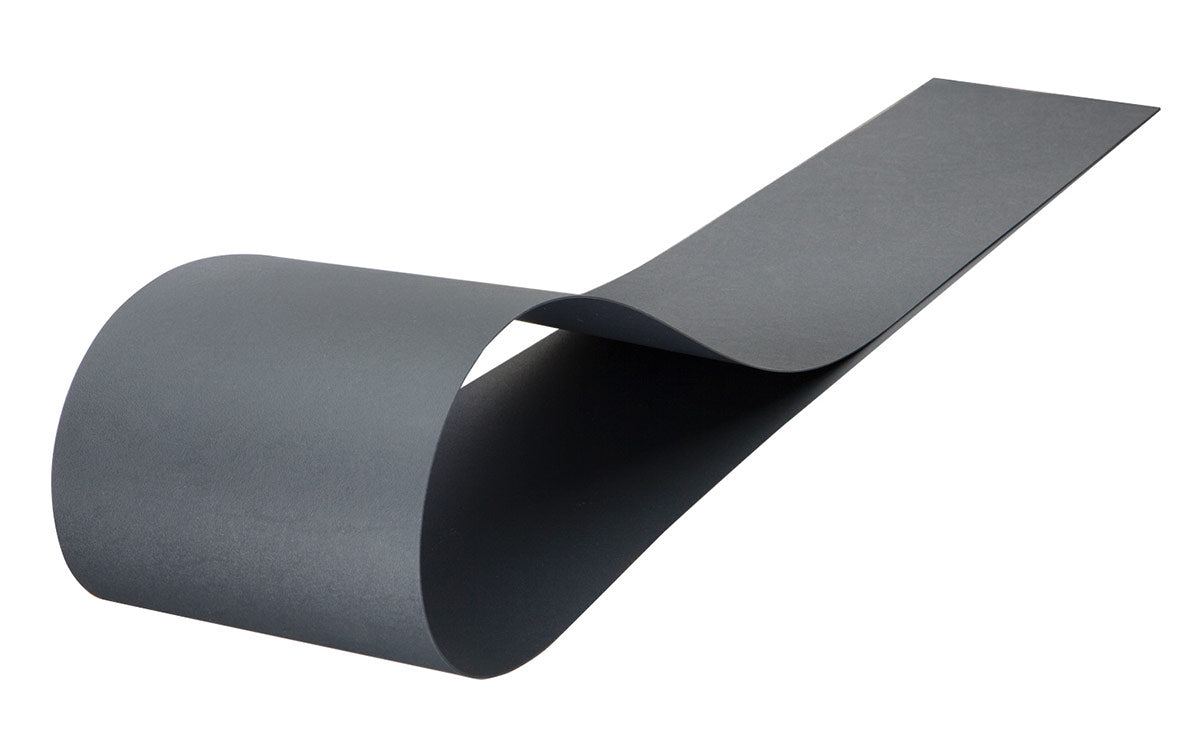
- Material thickness: approx. 1.1 mm
- Coverage: approx. 0.5 m² per strip
- Material: polypropylene (PP)
- Colors: anthracite gray, window gray, moss green, light gray
Stiff Enough to Stay Put
At 1.1 mm, polystripe is noticeably stiffer than thin roll goods. That helps when weaving it in, but it also means the material springs back. The end of each run therefore needs a clamping rail, otherwise the strip works its way out over time. You will find them under Clamping Rails & Privacy Screen Accessories.
For Gate Leaves, Too
The manufacturer explicitly approves the strips for gate leaves in the VARIO trend and VARIO compact series. If you want the fence and the gate to look the same, you get one consistent look throughout.
How Many Sets You Need
One set covers one fence panel across ten rows, so around 2 m in height. For a 1.20 m high fence you need six strips per panel – one set then covers one and a half panels. Multiply rows by panels and divide by ten.
Manufacturer:
Kirchberger Metall Onlinevertrieb GmbH
Neunburger Str. 2c
92431 Neunburg v. W. / Seebarn
Germany
Contact:
Email: shop@kirchberger-metall.de
Telephone: +49 (0) 9672 9269110


