


poly pro Privacy Screening Strips PP, Pack of 10, 190 x 2530 mm
Color
Parcel or freight item: plus shipping, free shipping within Germany from €1,000 Shipping info
Spedition/Paketdienst mit Terminankündigung (Avis)
Sie erhalten Ihr Angebot als PDF per E-Mail – in der Regel sofort. Produkt, Ausführung und Menge übernehmen wir unverändert.
Wir haben Ihre Anfrage aufgenommen. Das Angebot erreicht Sie gleich per E-Mail – schauen Sie bitte auch im Spam-Ordner nach.
- Service & Beratung
- Kauf auf Rechnung (B2B)
- Fachbetrieb seit 1955
- Sichere Bestellung mit Käuferschutz


Choose options
Color
Parcel or freight item: plus shipping, free shipping within Germany from €1,000 Shipping info
Spedition/Paketdienst mit Terminankündigung (Avis)
Sie erhalten Ihr Angebot als PDF per E-Mail – in der Regel sofort. Produkt, Ausführung und Menge übernehmen wir unverändert.
Wir haben Ihre Anfrage aufgenommen. Das Angebot erreicht Sie gleich per E-Mail – schauen Sie bitte auch im Spam-Ordner nach.
- Service & Beratung
- Kauf auf Rechnung (B2B)
- Fachbetrieb seit 1955
- Sichere Bestellung mit Käuferschutz
poly pro Privacy Screening Strips – in packs of ten
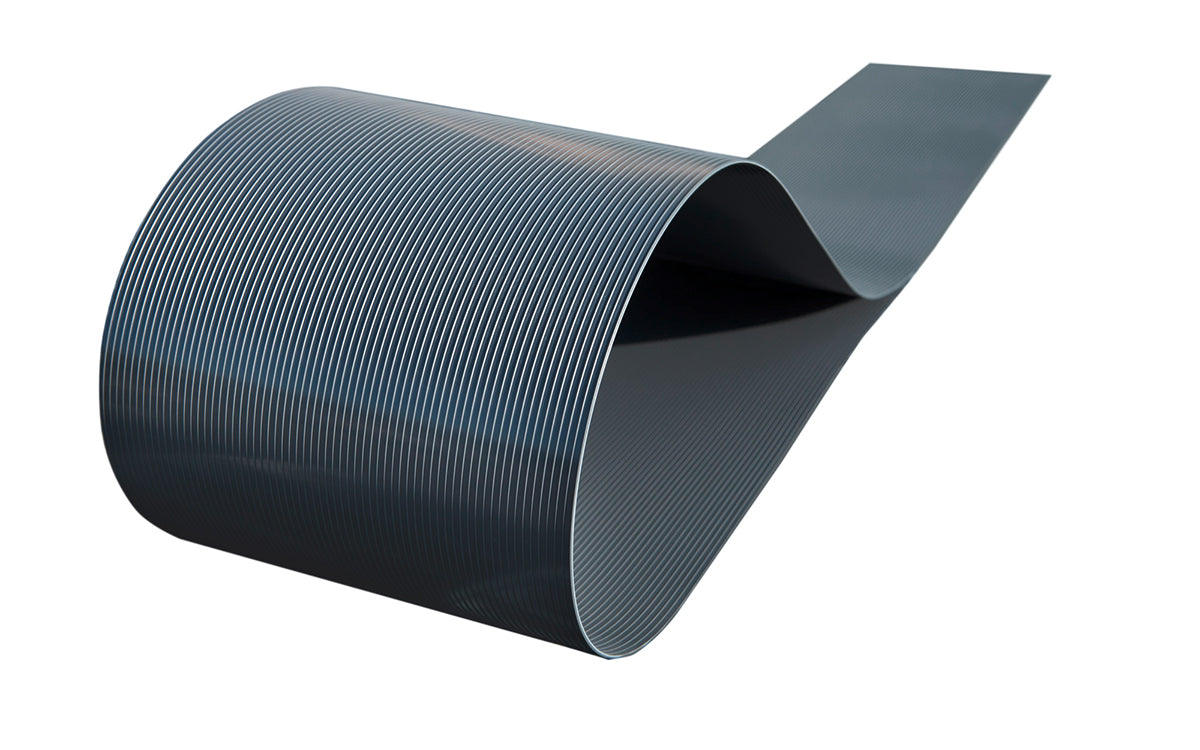
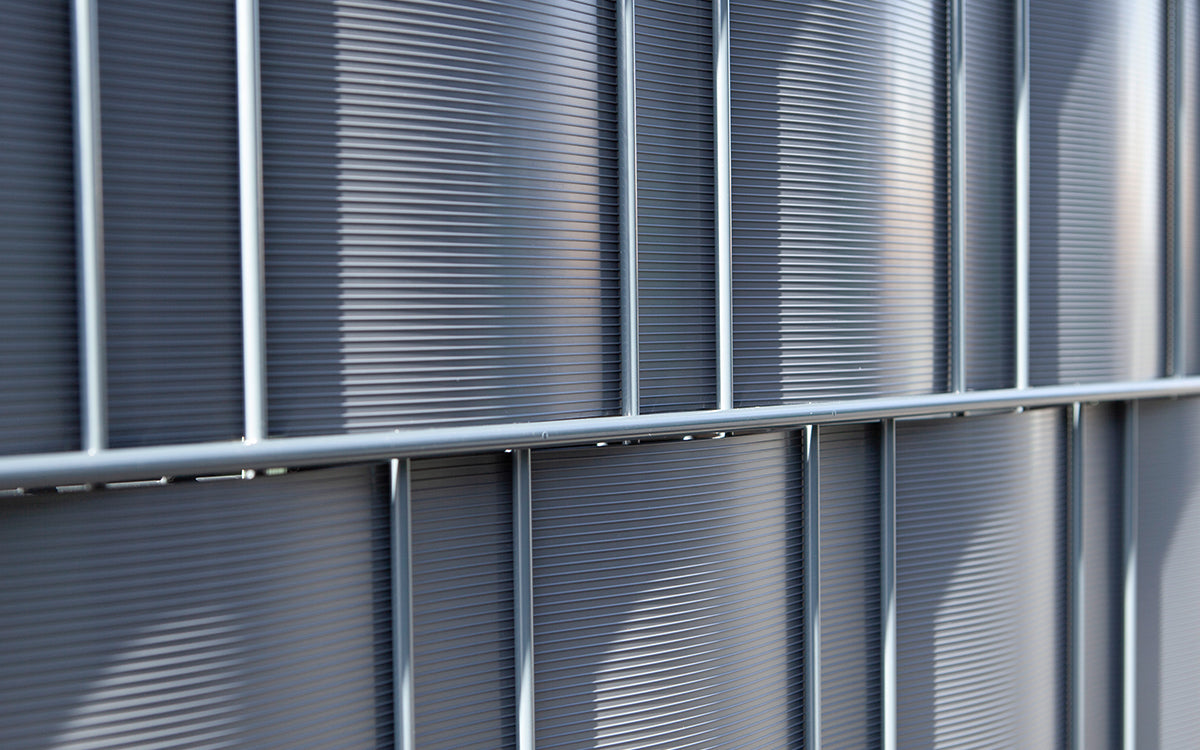
Pre-cut strips of polypropylene with a narrow embossed relief and a slightly glossy surface. The relief takes the cheap film look off the surface without standing out as much as a coarse texture.
Why ten at a time
We do not sell single strips, and there is a plain reason for that: one strip weighs next to nothing but travels the same freight route as ten. On a single strip, shipping would be out of all proportion to the goods. In a pack of ten the math works out – and nobody fencing a property gets by with fewer than ten strips anyway.
Technical data
- Contents: 10 strips
- Strip length: 2530 mm (+8/-1 mm)
- Strip height: 191 mm (+2/-1 mm)
- Material thickness: 1.5 mm at the rib, 0.8 mm between the ribs
- Coverage: about 0.5 m² per strip
- Material: polypropylene (PP)
- Colors: anthracite gray, window gray, moss green, stone gray
Estimating the quantity
Strips per panel equals fence height divided by 200 mm. At 1.20 m that is six strips per panel, so one pack covers one and a half panels. For a 20 m fence with eight panels at 1.20 m high, figure on 48 strips, which is five packs.
Clamping rails for the ends of the runs under Clamping Rails & Privacy Screening Accessories.
Manufacturer:
Kirchberger Metall Onlinevertrieb GmbH
Neunburger Str. 2c
92431 Neunburg v. W. / Seebarn
Germany
Contact:
Email: shop@kirchberger-metall.de
Telephone: +49 (0) 9672 9269110


