


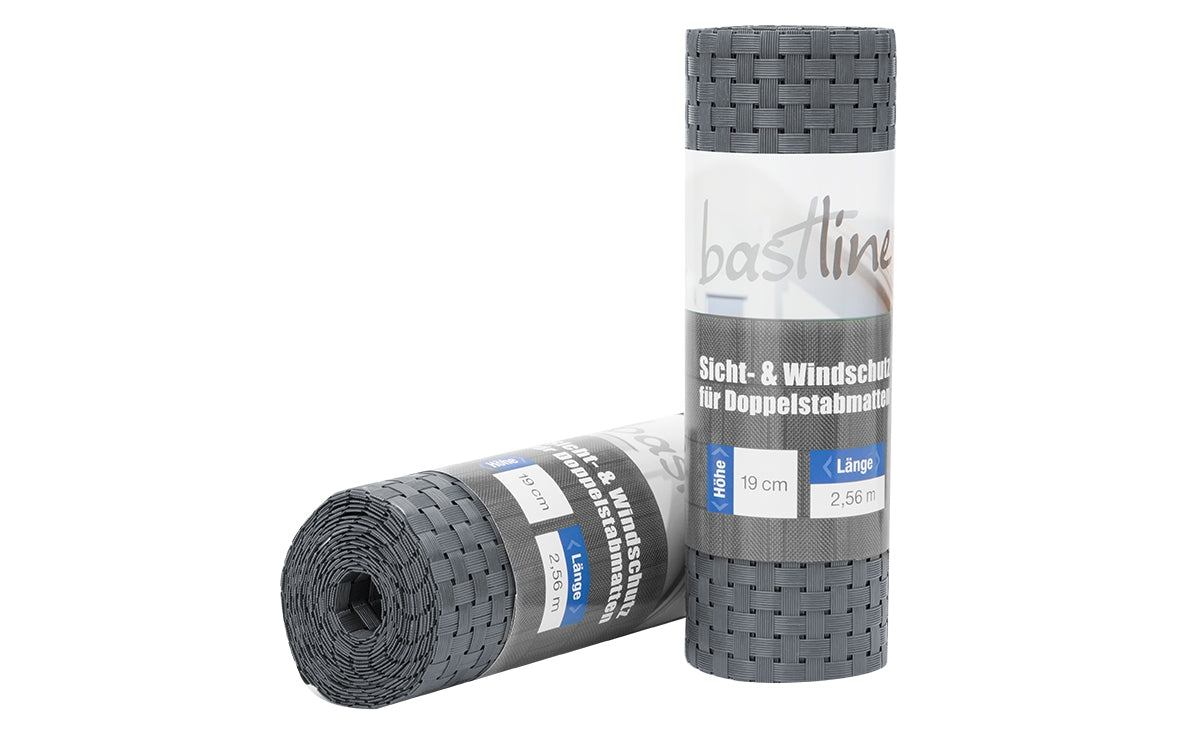
bastline Privacy Screening Strips, Pack of 10, 190 x 2560 mm, Raffia Look
Color
Parcel or freight item: plus shipping, free shipping within Germany from €1,000 Shipping info
Spedition/Paketdienst mit Terminankündigung (Avis)
Sie erhalten Ihr Angebot als PDF per E-Mail – in der Regel sofort. Produkt, Ausführung und Menge übernehmen wir unverändert.
Wir haben Ihre Anfrage aufgenommen. Das Angebot erreicht Sie gleich per E-Mail – schauen Sie bitte auch im Spam-Ordner nach.
- Service & Beratung
- Kauf auf Rechnung (B2B)
- Fachbetrieb seit 1955
- Sichere Bestellung mit Käuferschutz


Choose options
Color
Parcel or freight item: plus shipping, free shipping within Germany from €1,000 Shipping info
Spedition/Paketdienst mit Terminankündigung (Avis)
Sie erhalten Ihr Angebot als PDF per E-Mail – in der Regel sofort. Produkt, Ausführung und Menge übernehmen wir unverändert.
Wir haben Ihre Anfrage aufgenommen. Das Angebot erreicht Sie gleich per E-Mail – schauen Sie bitte auch im Spam-Ordner nach.
- Service & Beratung
- Kauf auf Rechnung (B2B)
- Fachbetrieb seit 1955
- Sichere Bestellung mit Käuferschutz
Color
Parcel or freight item: plus shipping, free shipping within Germany from €1,000 Shipping info
Spedition/Paketdienst mit Terminankündigung (Avis)
Sie erhalten Ihr Angebot als PDF per E-Mail – in der Regel sofort. Produkt, Ausführung und Menge übernehmen wir unverändert.
Wir haben Ihre Anfrage aufgenommen. Das Angebot erreicht Sie gleich per E-Mail – schauen Sie bitte auch im Spam-Ordner nach.
- Service & Beratung
- Kauf auf Rechnung (B2B)
- Fachbetrieb seit 1955
- Sichere Bestellung mit Käuferschutz
bastline Privacy Screening Strips – woven, not smooth
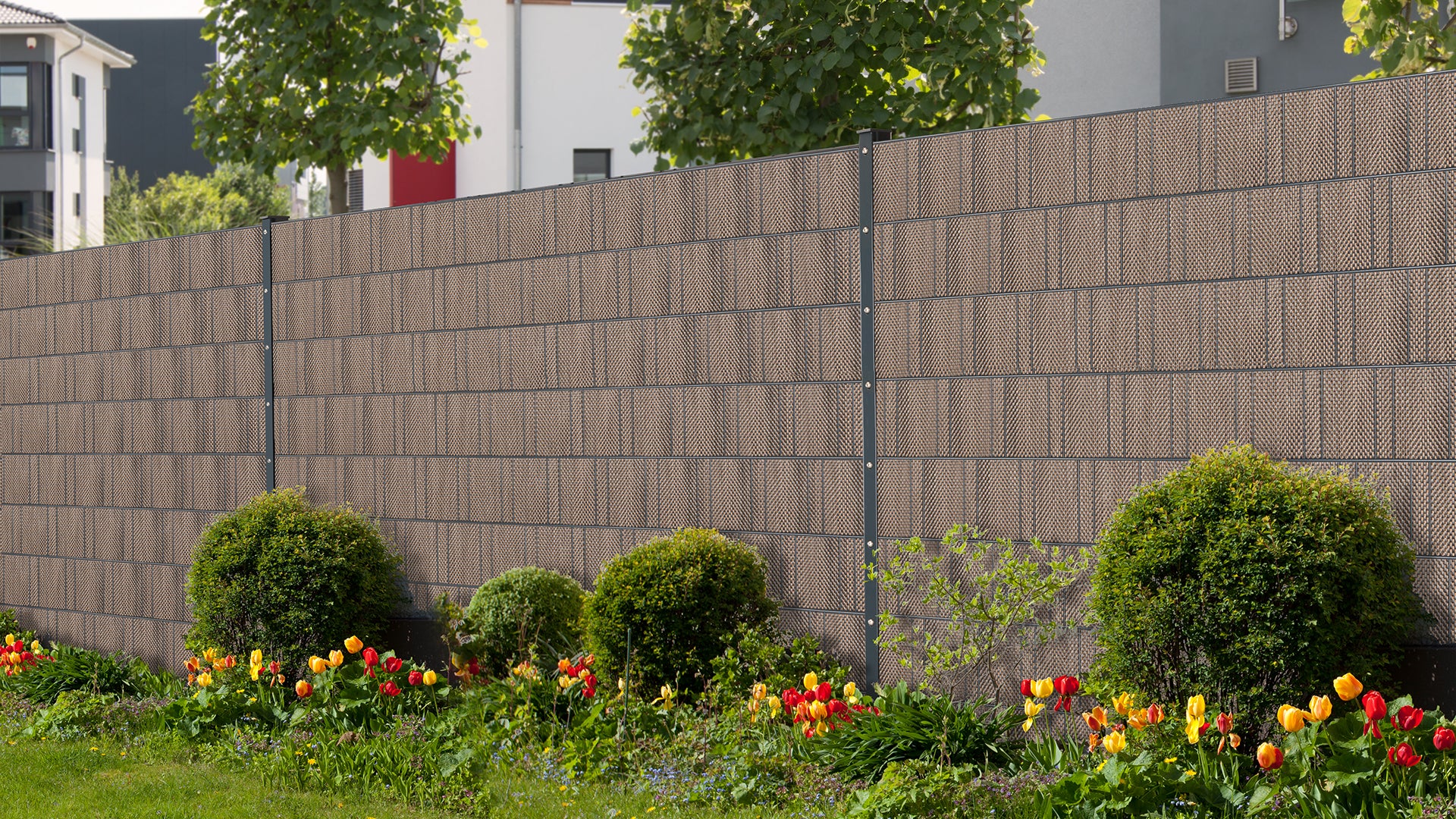
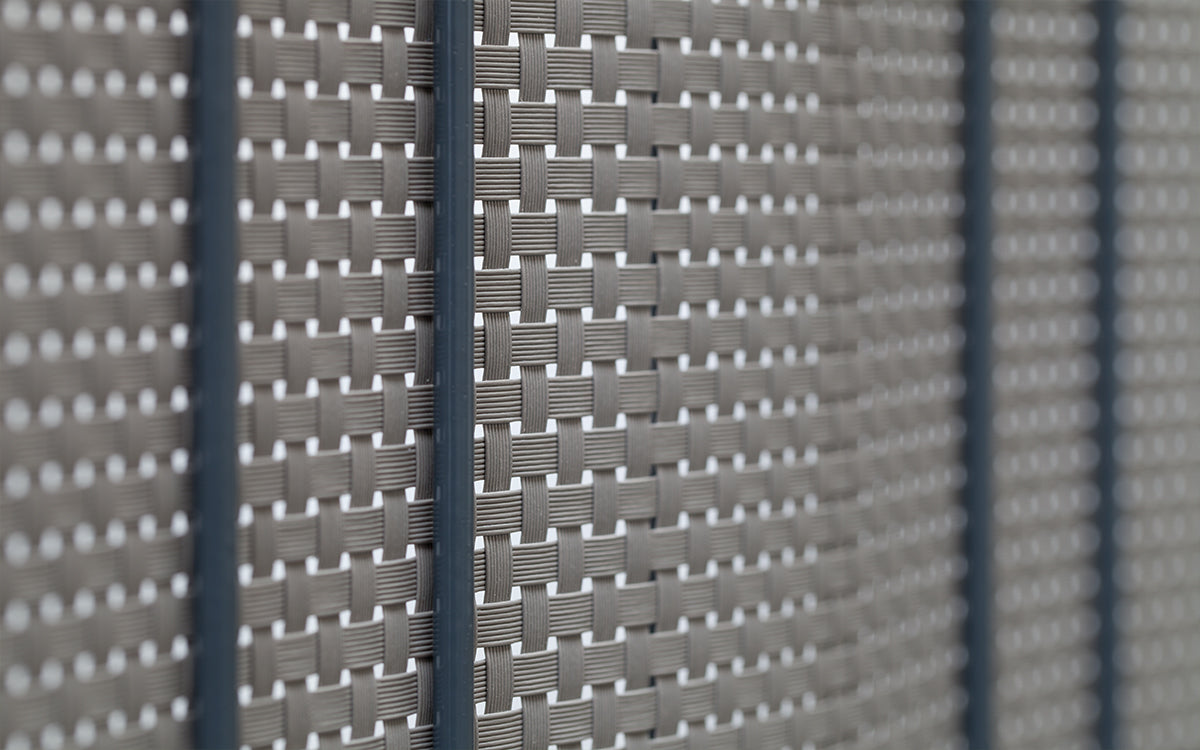
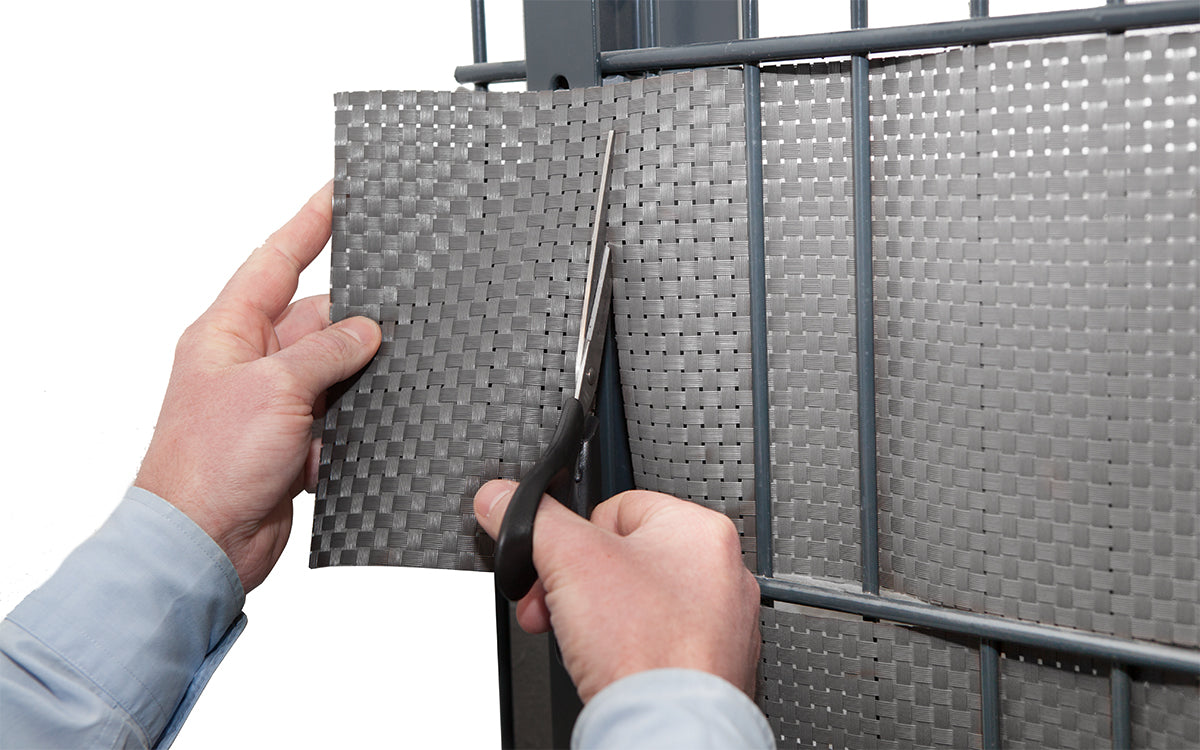
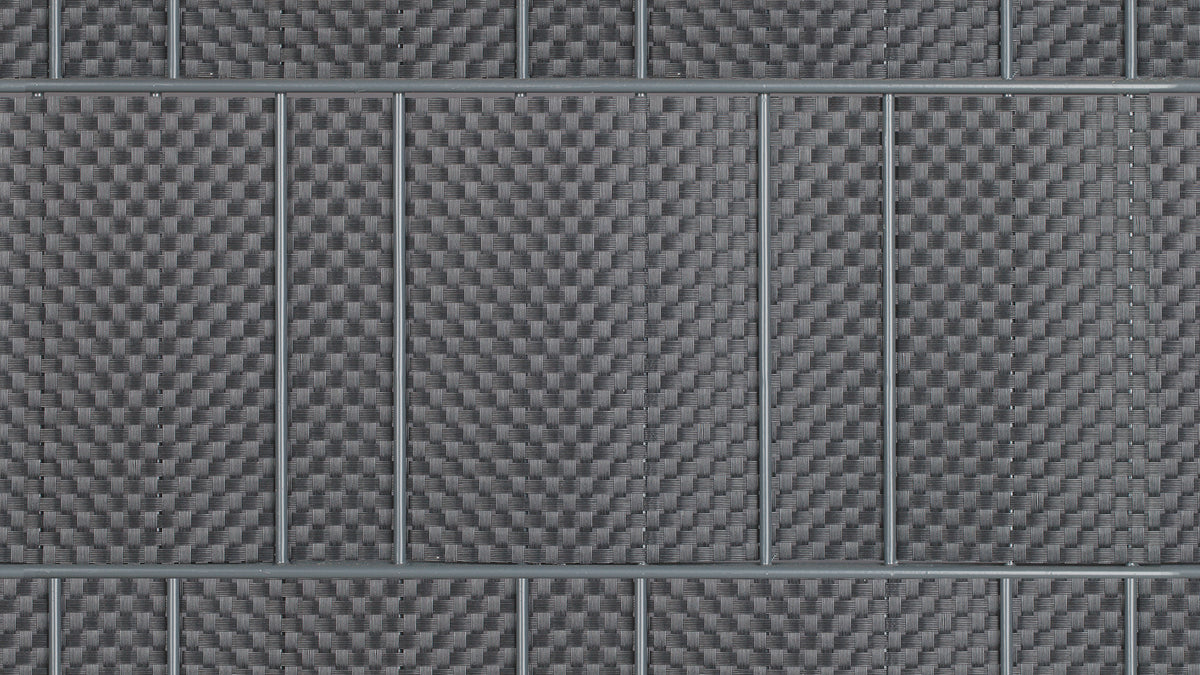
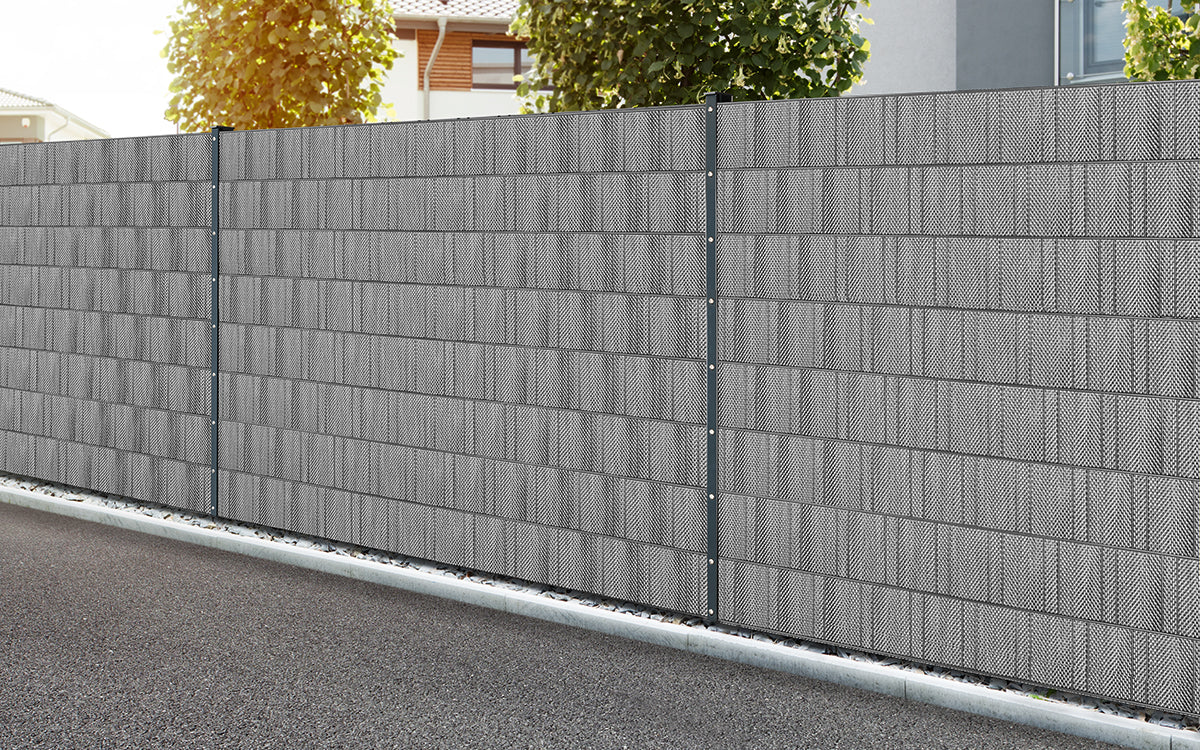
bastline is made from woven PVC and PES fibers. That gives the surface a visible woven texture instead of a smooth face – on the fence it reads as basketwork rather than a plastic sheet. Alongside the usual grays, the range comes in bronze, which sets a warm contrast against an anthracite fence.
Technical data
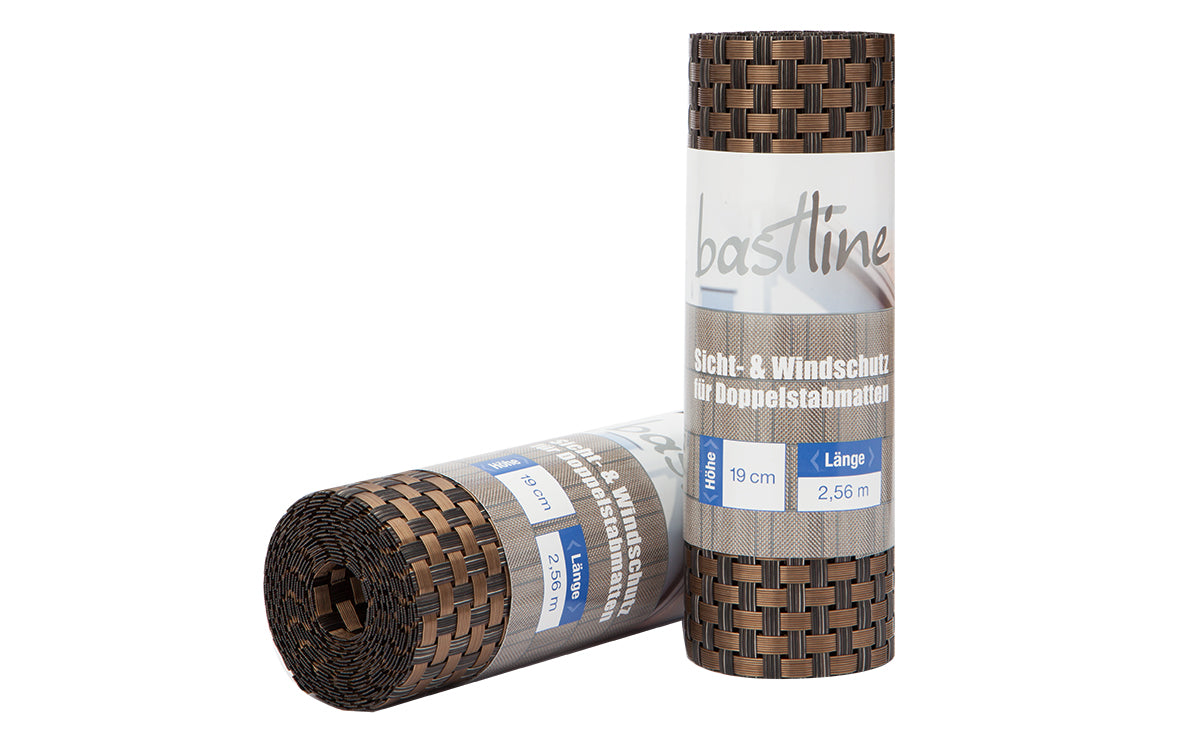
- Contents: 10 strips
- Strip length: 2560 mm
- Strip height: 190 mm
- Material thickness: 1.1 mm
- Material: woven PVC and PES fibers
- Colors: anthracite gray, silver, gray, bronze, black anthracite
2560 instead of 2530 mm
bastline is three centimeters longer than the PP strips. On a standard panel with 2.5 m between post centers that leaves a little more overhang – handy if your panels are not all identical, but check on the first panel whether the overhang gets in the way at the post.
Securing the strips
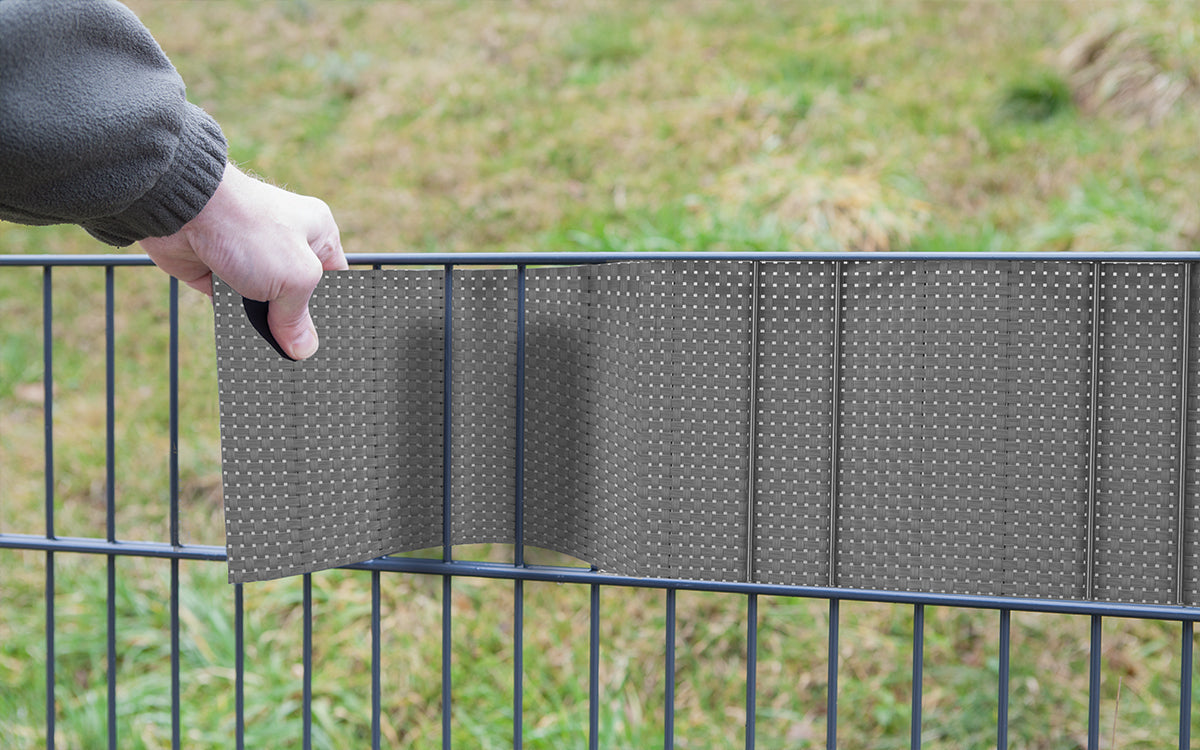
Depending on the post type, the manufacturer recommends clamping rails. With woven material that is worth doing, because the fiber texture creates less friction in the mesh than a smooth sheet. Accessories under Clamping Rails & Privacy Screening Accessories.
Approved for gate leaves as well
Approved for gate leaves in the VARIO pro series – so the same look carries through from fence to gate.
Manufacturer:
Kirchberger Metall Onlinevertrieb GmbH
Neunburger Str. 2c
92431 Neunburg v. W. / Seebarn
Germany
Contact:
Email: shop@kirchberger-metall.de
Telephone: +49 (0) 9672 9269110


