
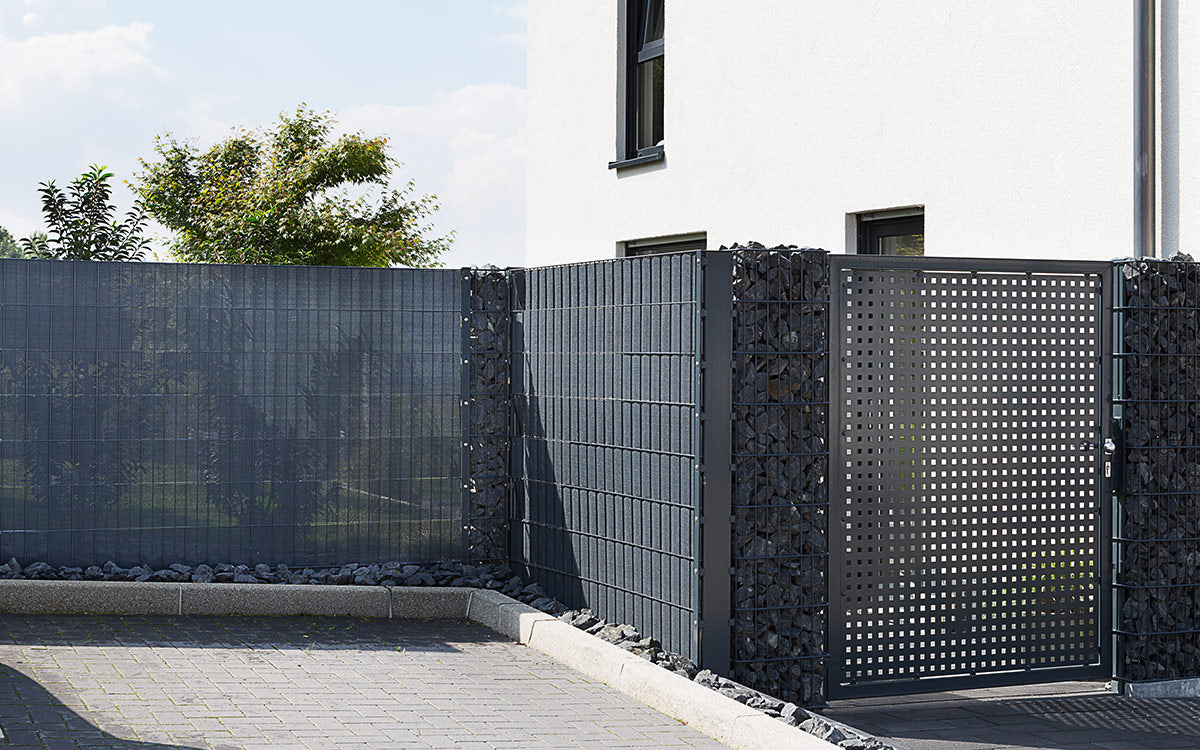
Doppelstabmattenzaun mit Maschenstoff zaun-tex in Anthrazit an Einfahrt und Gartentor
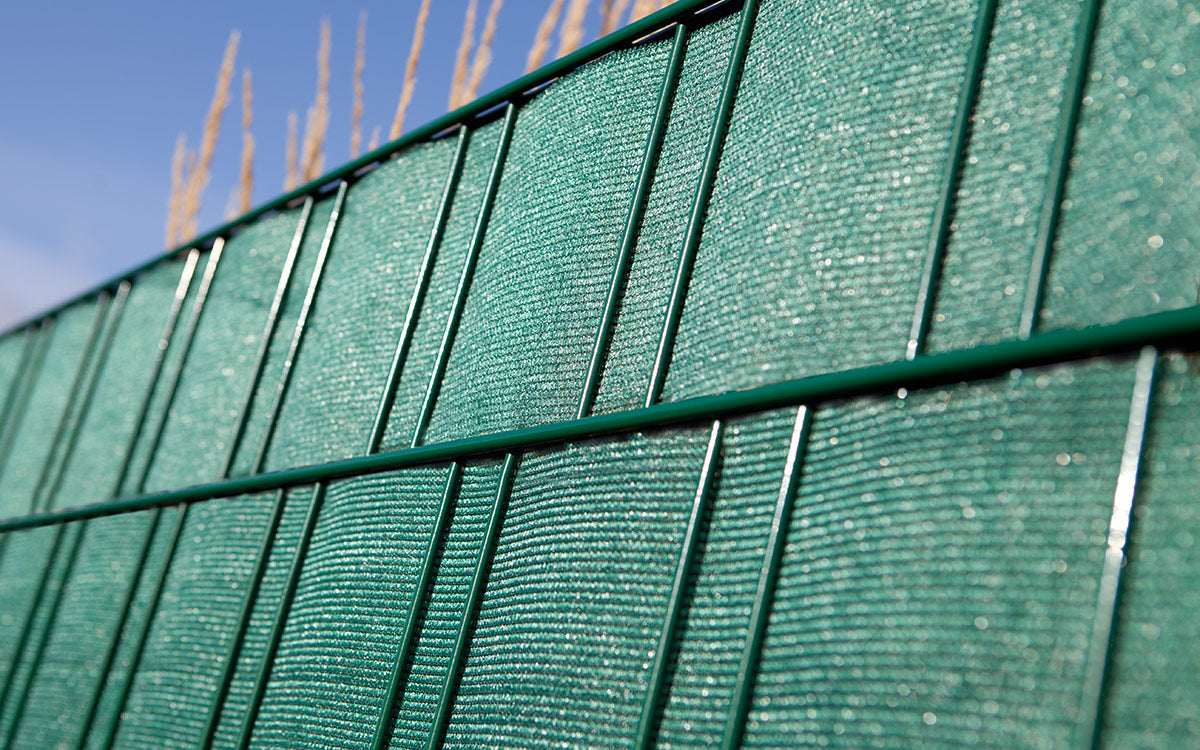
Maschenstoff zaun-tex in Moosgrün im Doppelstabgitter, Detailaufnahme
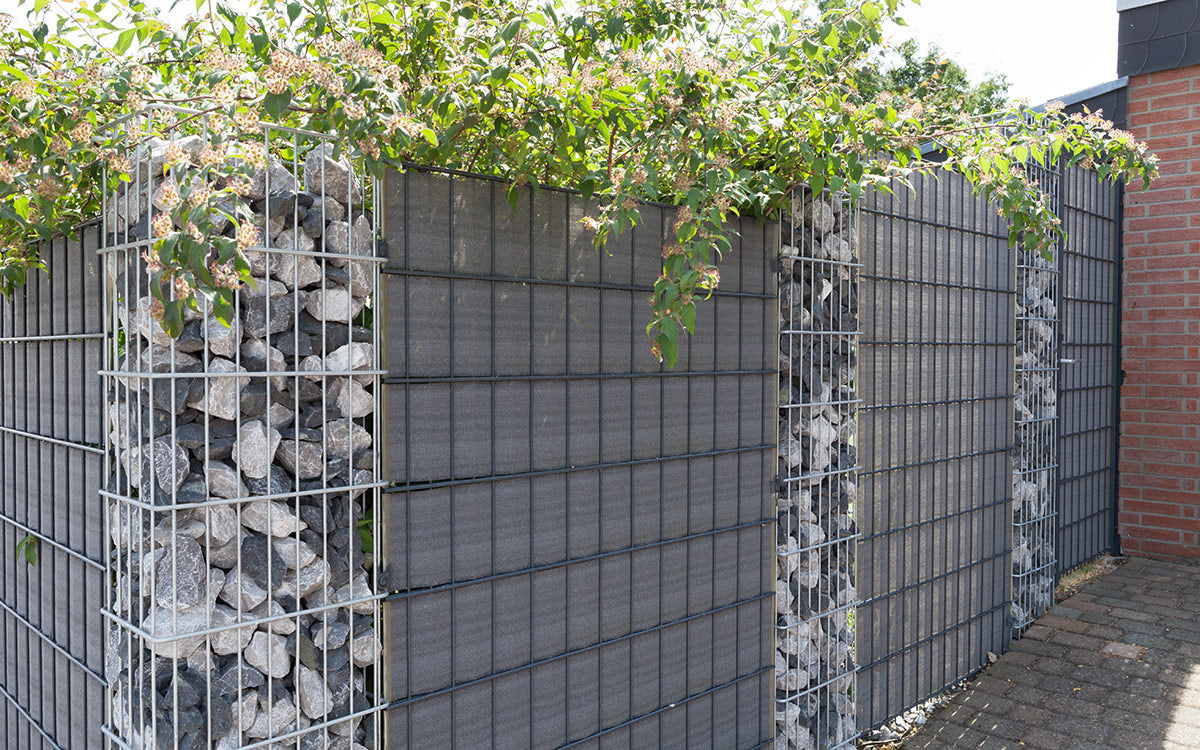
Zaun mit zaun-tex Sichtschutz neben Gabionensäulen an einer Grundstücksgrenze
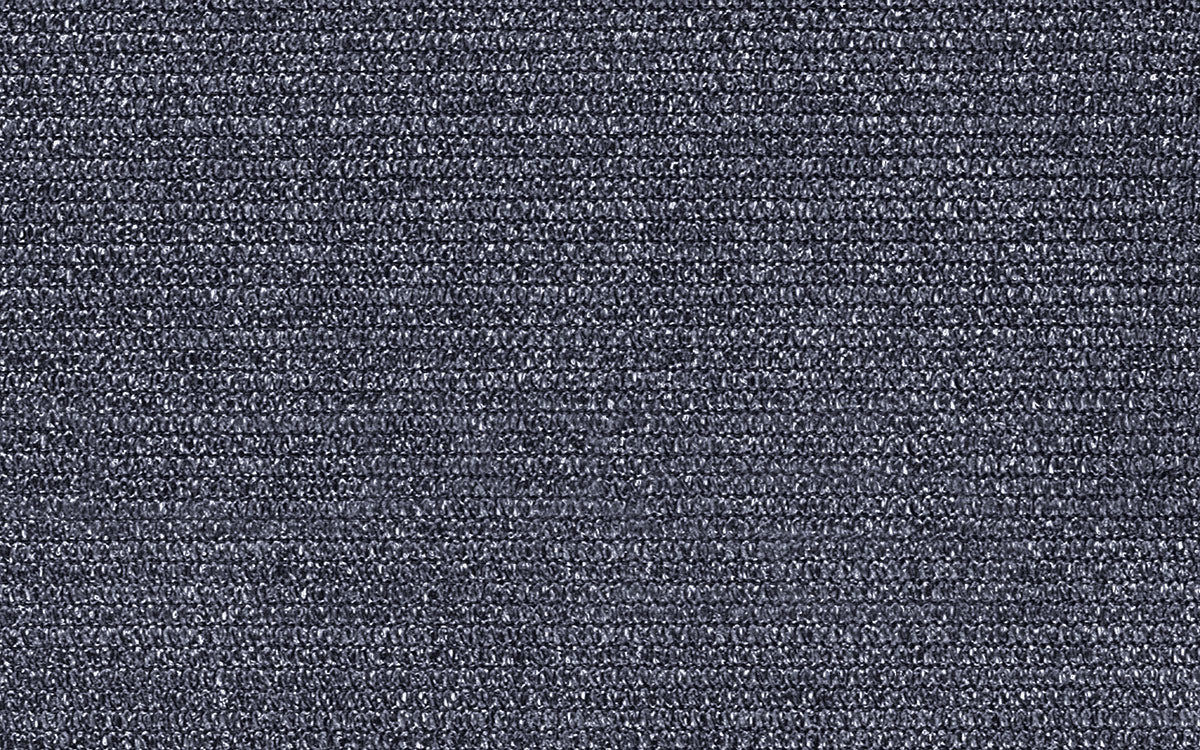
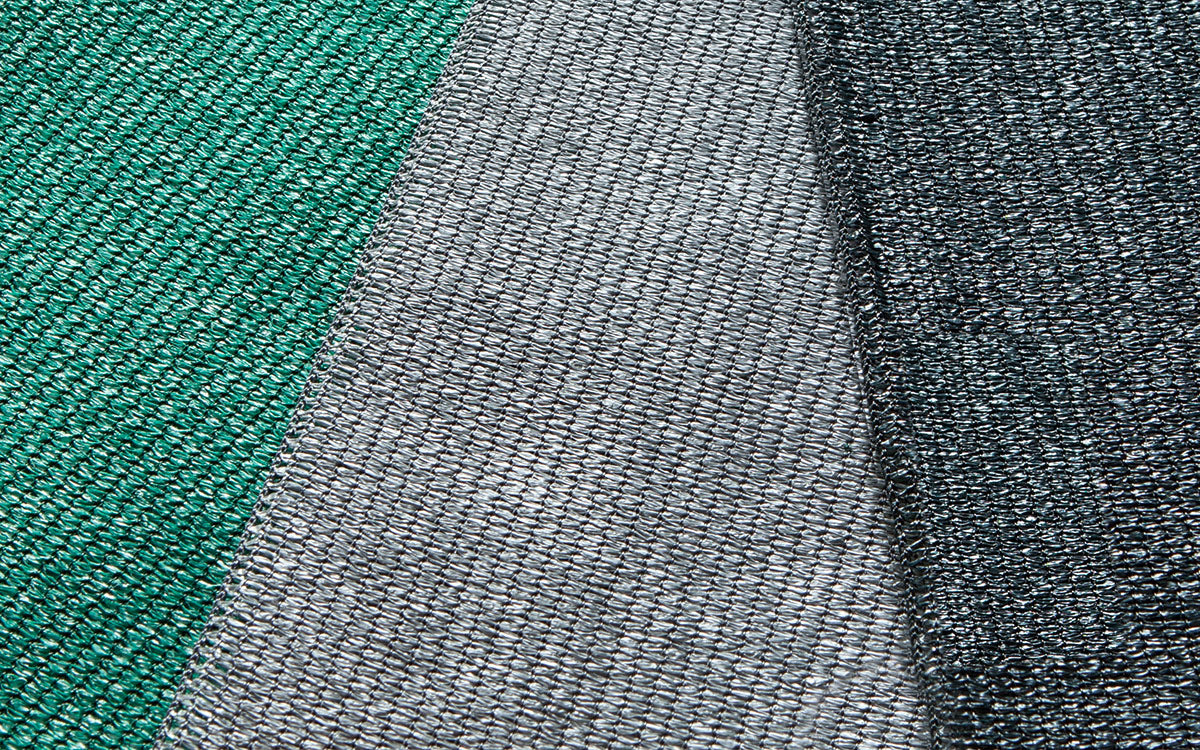
Gewebestruktur des HDPE-Maschenstoffs zaun-tex in Anthrazitgrau
Farbvergleich des Maschenstoffs zaun-tex in Moosgrün und Weißaluminium
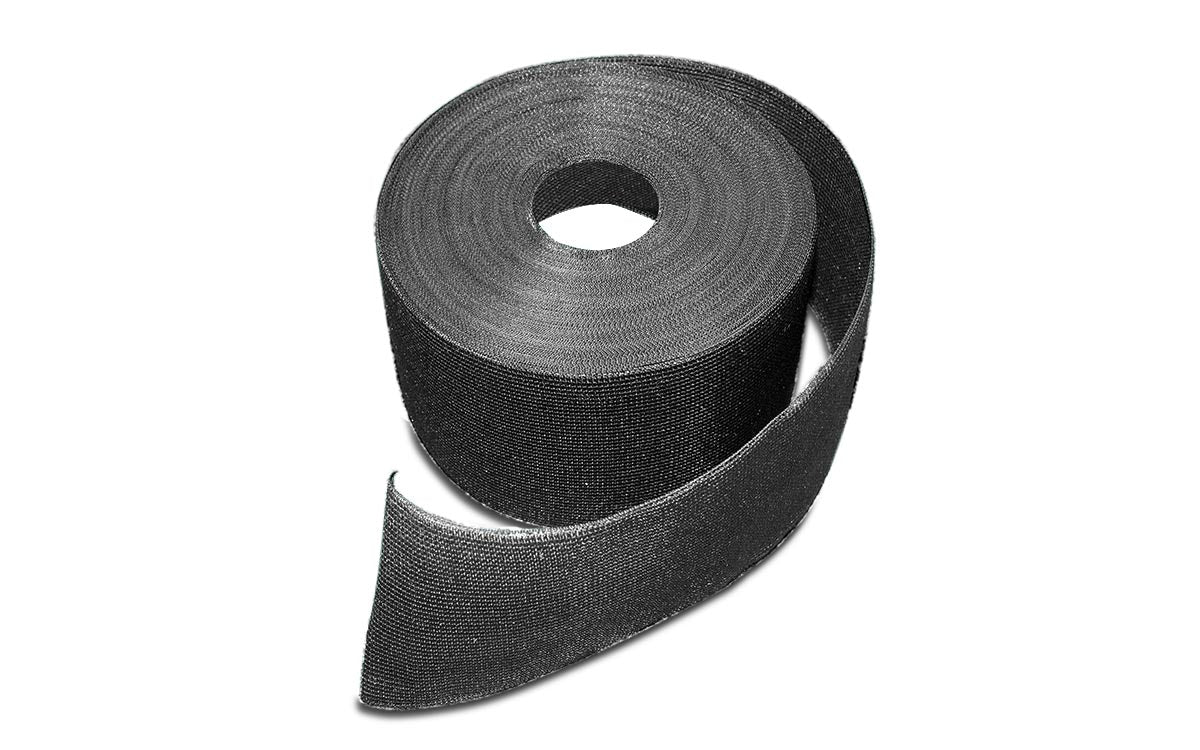
Sichtschutzrolle zaun-tex Anthrazitgrau, 190 mm hoch, 70 m Rolle
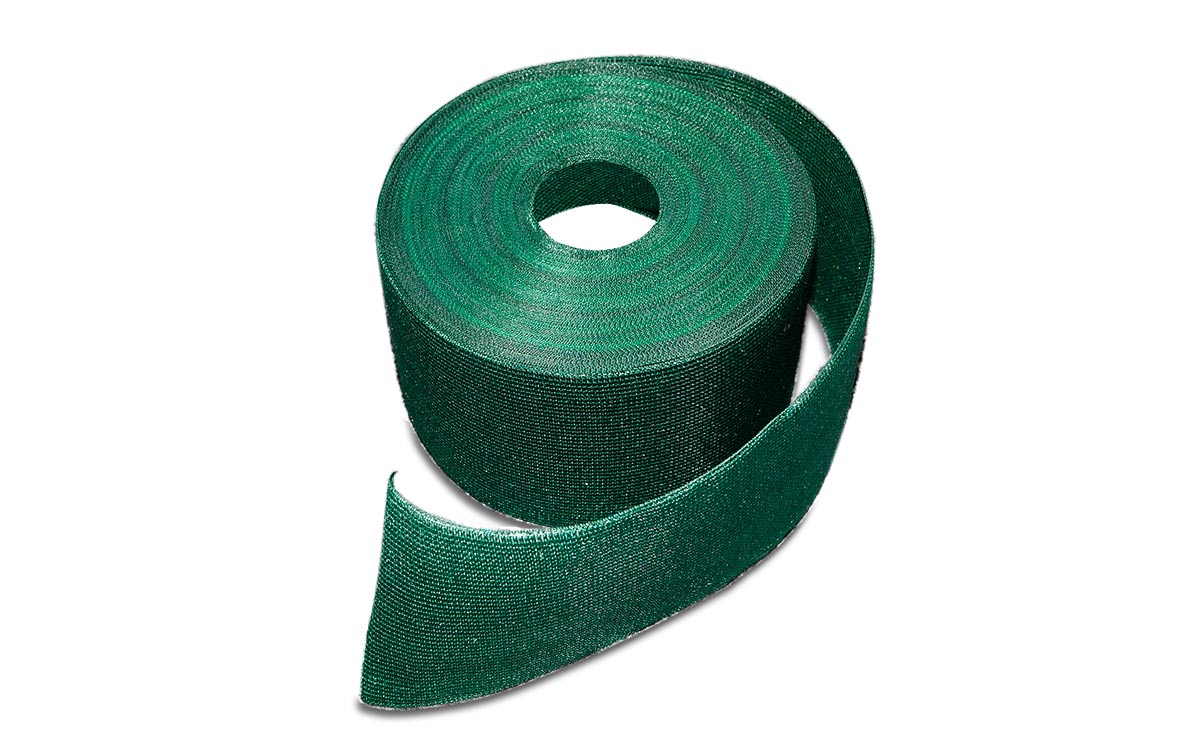
Sichtschutzrolle zaun-tex Moosgrün, 190 mm hoch, 70 m Rolle
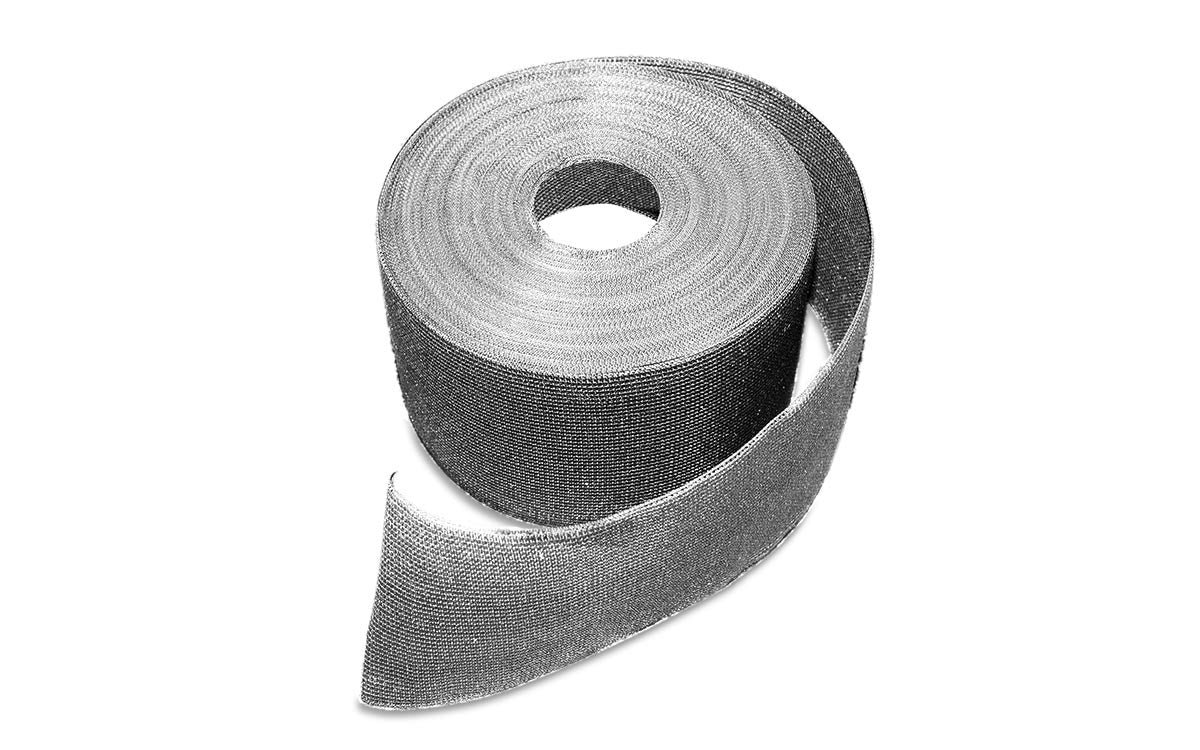
Sichtschutzrolle zaun-tex Weißaluminium, 190 mm hoch, 70 m Rolle

Sichtschutzrolle zaun-tex Maschenstoff 190 mm x 70 m winddurchlässig

SKU: ZBDZT707016

Lässt bis 15 % Wind durch, Schattierwert bis 85 %

70 m je Rolle – rund 13,3 m² Abdeckfläche

Maschenstoff aus HDPE, UV-stabilisiert

Anthrazitgrau, Moosgrün oder Weißaluminium

Farbe:

Farbe

Quantity:
Sale price50,71 €inkl. MwSt.

Kostenfreier Versand Versandinfos

Lieferzeit: 14 bis 21 Tage
Spedition/Paketdienst mit Terminankündigung (Avis)
Frage zum Produkt
American Express Apple Pay EPS Google Pay Klarna Mastercard PayPal Visa Kauf auf Rechnung Vorkasse
5,0 82 Google-Bewertungen

Sichtschutzrolle zaun-tex – der Sichtschutz, der Wind durchlässt

Ein geschlossener Sichtschutz macht aus dem Zaun eine Fläche, an der sich der Wind staut. An windexponierten Grundstücksgrenzen ist das die Stelle, an der es später Probleme gibt – nicht am Material, sondern am Pfosten und an der Gründung. zaun-tex ist ein Maschenstoff und lässt nach Herstellerangabe bis zu 15 % Wind hindurch, nimmt aber trotzdem den Blick: Der Schattierwert liegt bei bis zu 85 %.

Technische Daten

  • Rollenlänge: 70 m
  • Streifenhöhe: 190 mm
  • Materialstärke: 1,0 mm
  • Abdeckfläche: rund 13,3 m² je Rolle
  • Material: Maschenstoff aus HDPE, 620 Maschen, Mischung aus Tape und Monofilament
  • UV-stabilisiert
  • Winddurchlässigkeit: bis 15 %, Schattierwert bis 85 %
  • Farben: ähnlich Anthrazitgrau, Moosgrün, Weißaluminium

70 Meter auf einer Rolle

Das ist doppelt so viel wie bei den meisten anderen Rollen und reicht bei einem 1,20 m hohen Zaun für knapp 12 laufende Meter Zaun in voller Höhe. Der Preis je Quadratmeter ist damit der niedrigste in dieser Kategorie.

Vor der Montage

Der Hersteller verweist ausdrücklich auf die Montageanleitung und nennt die Pfostentypen A und HP für die Fixierung. Lesen Sie die Anleitung, bevor Sie anfangen – Maschenstoff verhält sich beim Einziehen anders als ein steifes Band.

Passende Klemmschienen unter Klemmleisten & Sichtschutz-Zubehör.

Questions and Answers

They fit onto any fence with the usual mesh size of 50 x 200 mm – and that is the standard for double-rod mesh. The wire gauge makes no difference: 5/4/5, 6/5/6, 6/6/6, 6/8/6 and 8/6/8 all have the same mesh height, so the same 190 mm high strip fits everywhere. It is different with single-rod mesh, wire mesh panels with a 100 mm mesh or close-meshed fence panels – there it is better to measure beforehand.

Calculate by rows, not by area. The number of rows is the fence height divided by the mesh height of 200 mm. A 1.20 m high fence has six rows, a 1.80 m high one has nine. Multiply this number by the length of the fence and you have the linear meters. Example: 20 m of fence at a height of 1.20 m gives 120 linear meters, which is four rolls of 35 m.

For individual strips, calculate rows times the number of fence panels instead. The bottom row of mesh often sits so close to the ground that it is awkward to work there - many people simply leave it open.

Strips are cut to panel length and are quick to fit: thread them in, done, no measuring. In return, a butt joint appears at every post, which is visible in backlight.

Rolls run continuously across several panels, which makes for a calmer appearance. In exchange, you have to trim them yourself at the end of each run and will sensibly want an unwinder. For straight, long fences the roll is the better choice; for angular plots with many short panels, the strip is.

The strip is held solely by friction between the rods - there is no other fastening. Across the panel that is enough, at the ends it is not. There the material works its way out in the wind, first by a few centimeters, and after two summers the top row sits crooked.

That is why every end of a run needs a clamping rail or a clamping strip. It costs a few euros and is the difference between a fence that still looks straight after five years and one that frays.

Yes. An open mesh lets wind through, a closed surface does not - this gives the fence a wind-catching area it did not have before. That mainly affects the posts and the foundation.

For a fence set in concrete in a normal location, this is usually uncritical. If the fence stands free and exposed to wind, on top of a wall or on bolted-on base plates, talk to us beforehand - then we will calculate it with your dimensions. As an alternative there is mesh fabric, which deliberately lets air through and still blocks the view.

Yes, that is exactly what the material is made for. Nothing is screwed, drilled or dismantled - the strip is threaded into the standing panel from above. The fence may have been standing for ten years, that makes no difference.

Clean the mesh roughly beforehand where ivy or moss is caught in it. And check the posts: whatever is already wobbly will wobble considerably more with a closed surface.