


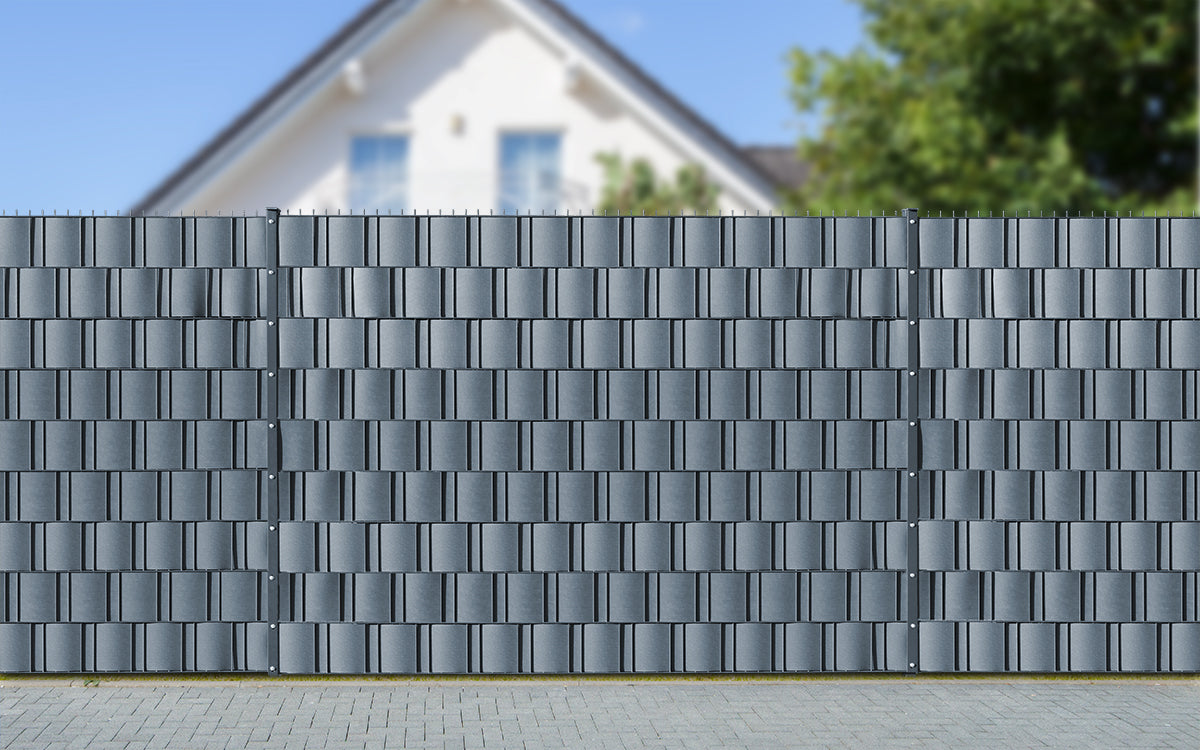
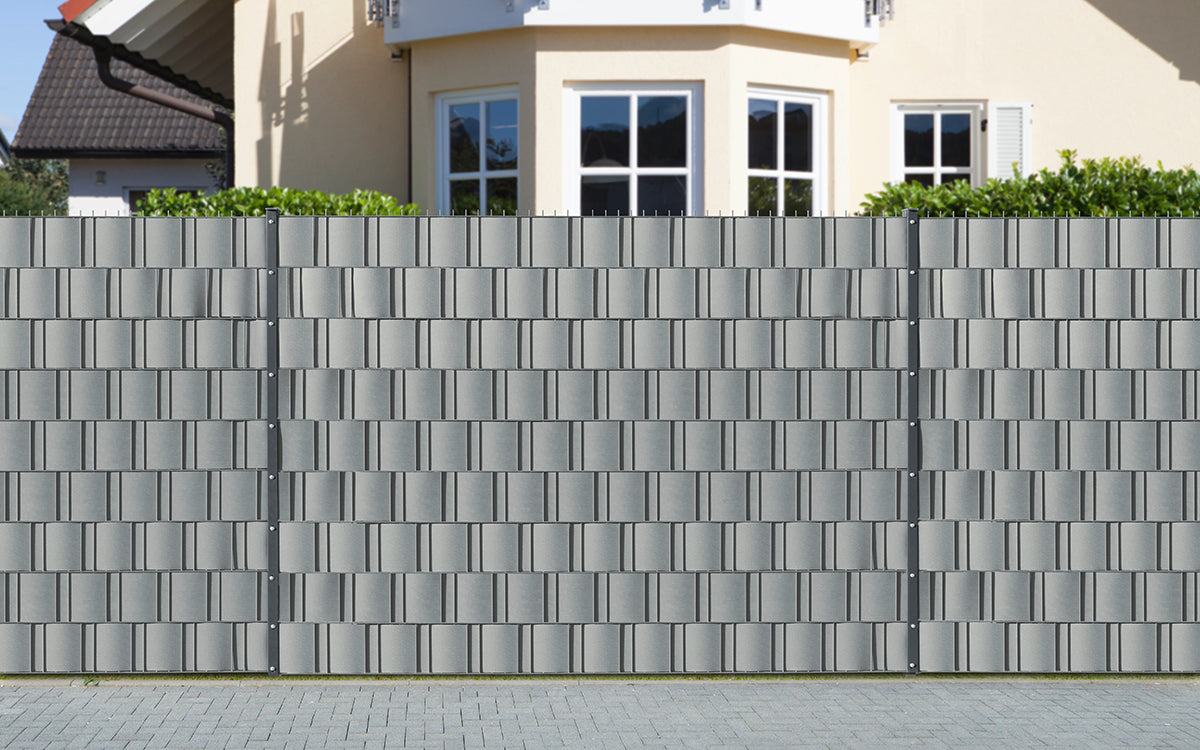
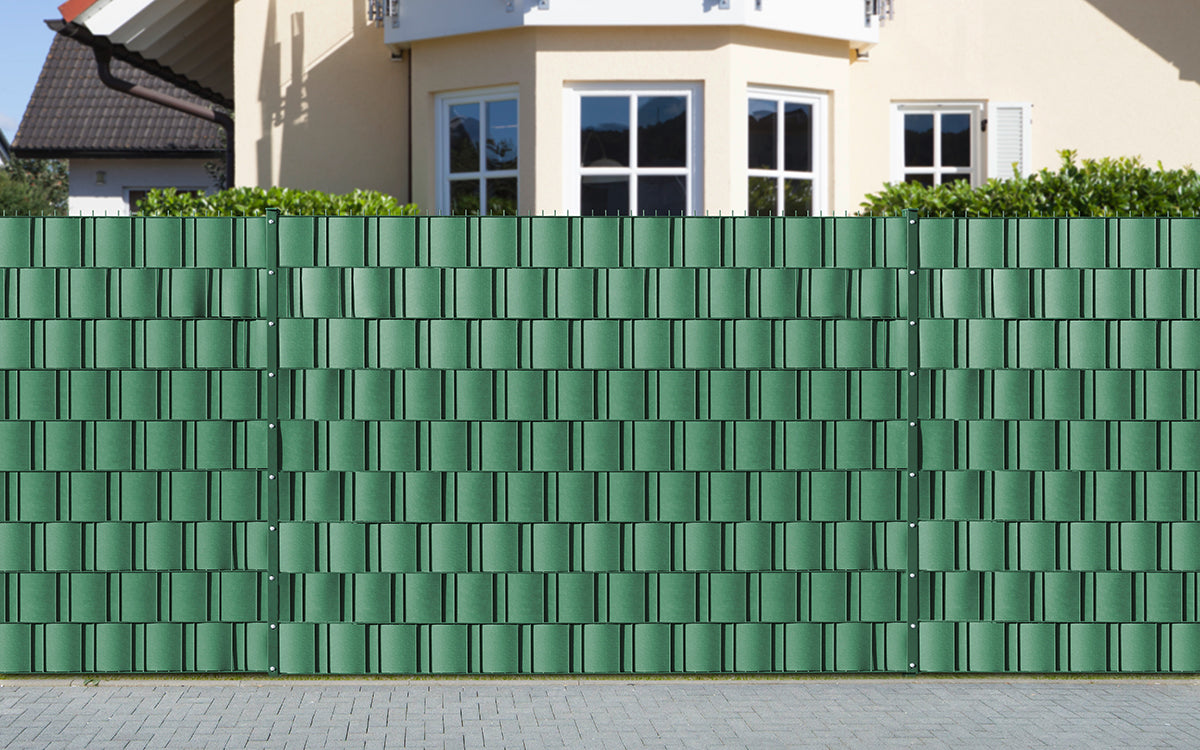
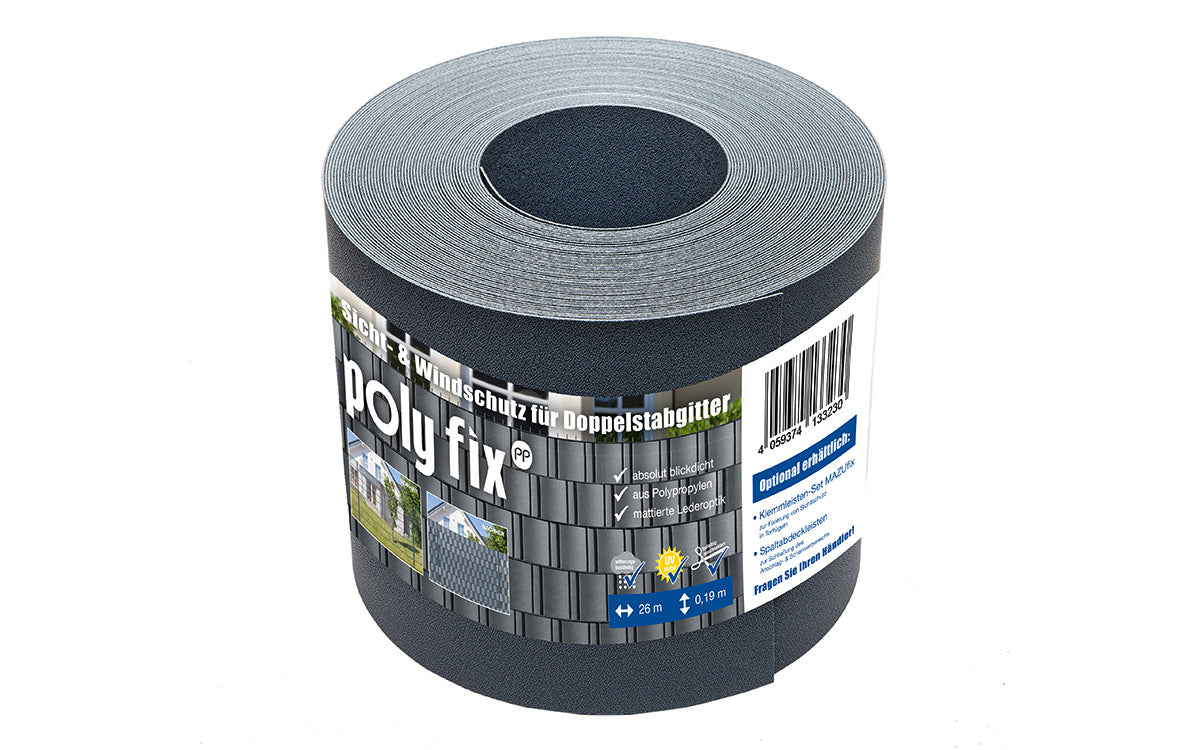
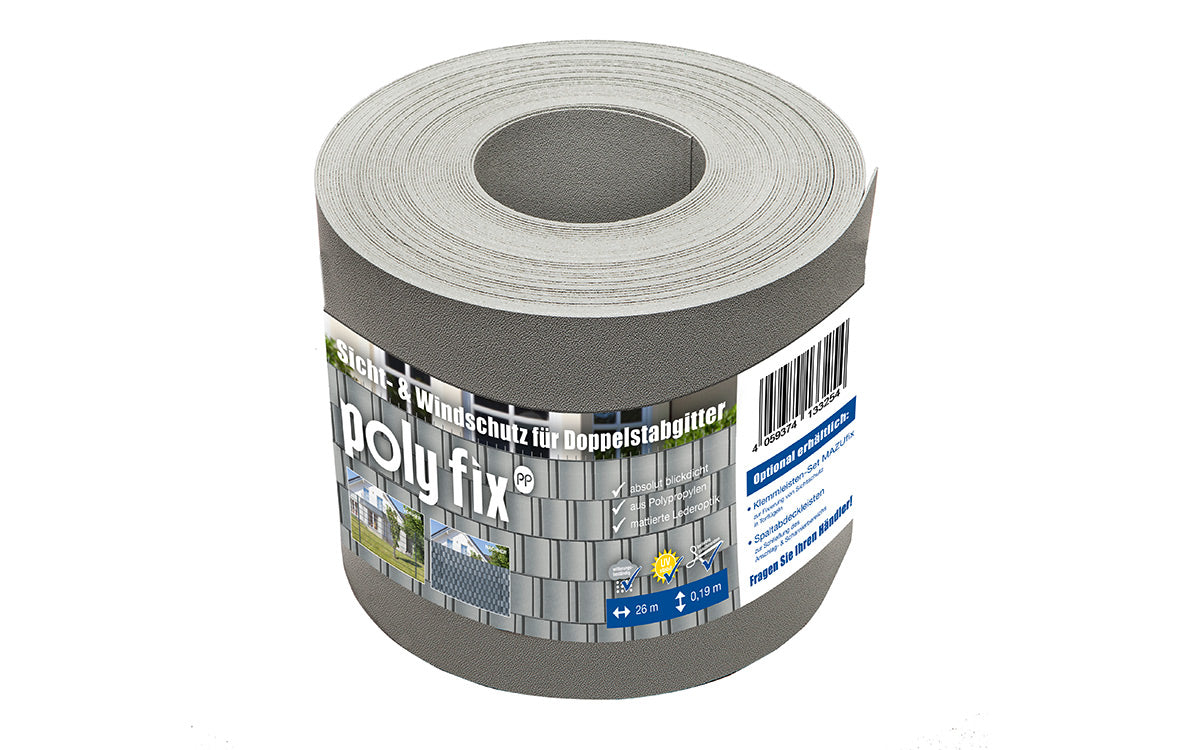
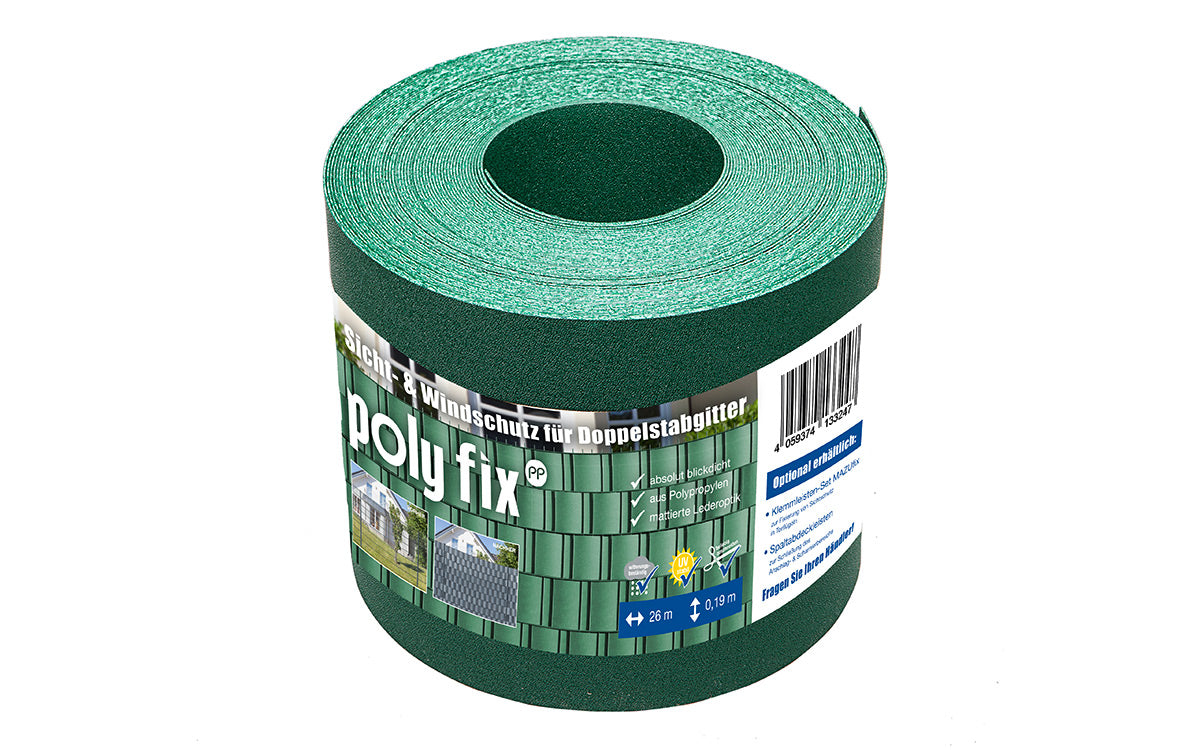
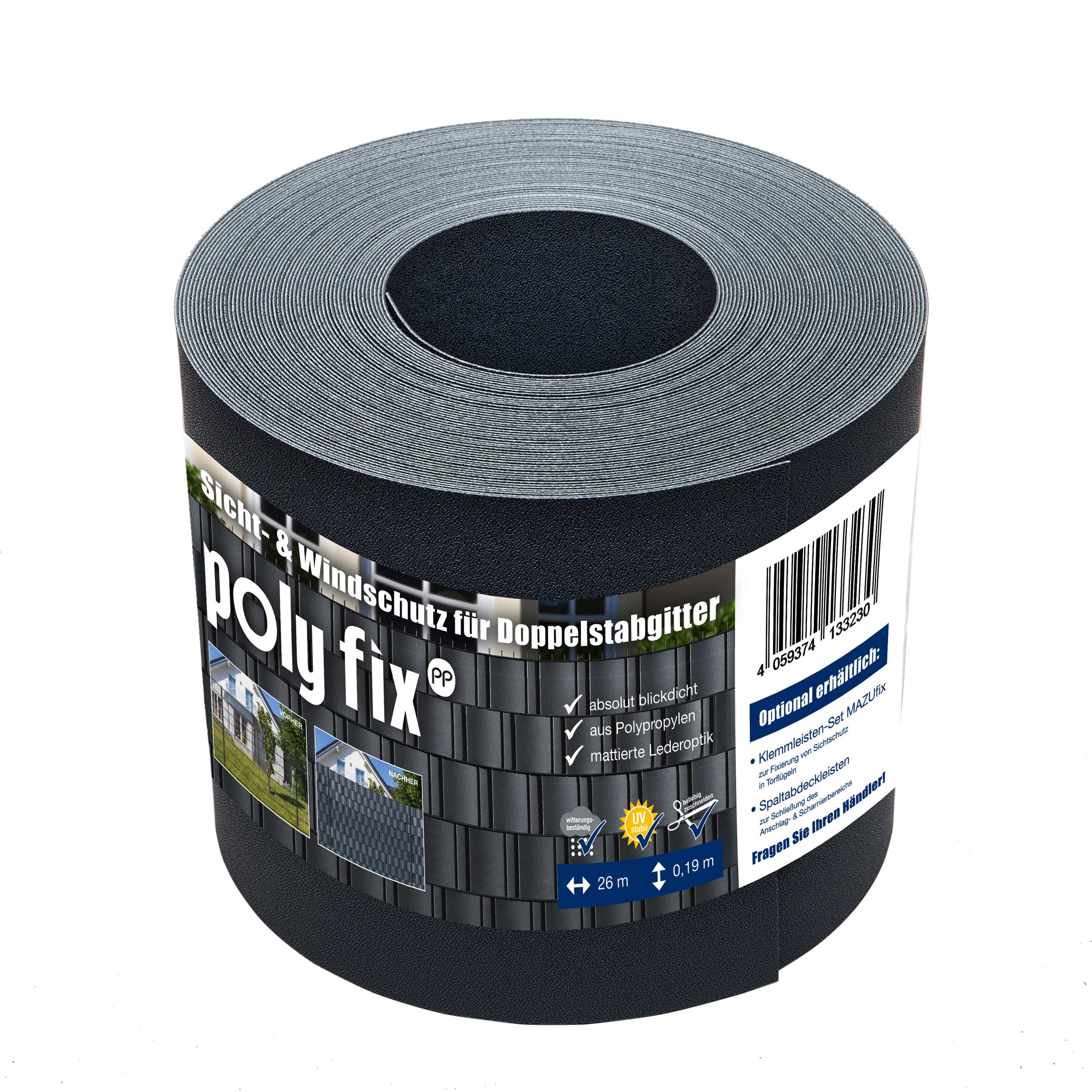
poly fix Polypropylene Privacy Screen Roll 190 mm x 26 m
Color
Parcel or freight item: plus shipping, free shipping within Germany from €1,000 Shipping info
Spedition/Paketdienst mit Terminankündigung (Avis)
Sie erhalten Ihr Angebot als PDF per E-Mail – in der Regel sofort. Produkt, Ausführung und Menge übernehmen wir unverändert.
Wir haben Ihre Anfrage aufgenommen. Das Angebot erreicht Sie gleich per E-Mail – schauen Sie bitte auch im Spam-Ordner nach.
- Service & Beratung
- Kauf auf Rechnung (B2B)
- Fachbetrieb seit 1955
- Sichere Bestellung mit Käuferschutz


Choose options
Color
Parcel or freight item: plus shipping, free shipping within Germany from €1,000 Shipping info
Spedition/Paketdienst mit Terminankündigung (Avis)
Sie erhalten Ihr Angebot als PDF per E-Mail – in der Regel sofort. Produkt, Ausführung und Menge übernehmen wir unverändert.
Wir haben Ihre Anfrage aufgenommen. Das Angebot erreicht Sie gleich per E-Mail – schauen Sie bitte auch im Spam-Ordner nach.
- Service & Beratung
- Kauf auf Rechnung (B2B)
- Fachbetrieb seit 1955
- Sichere Bestellung mit Käuferschutz
poly fix Privacy Screen Roll in Polypropylene
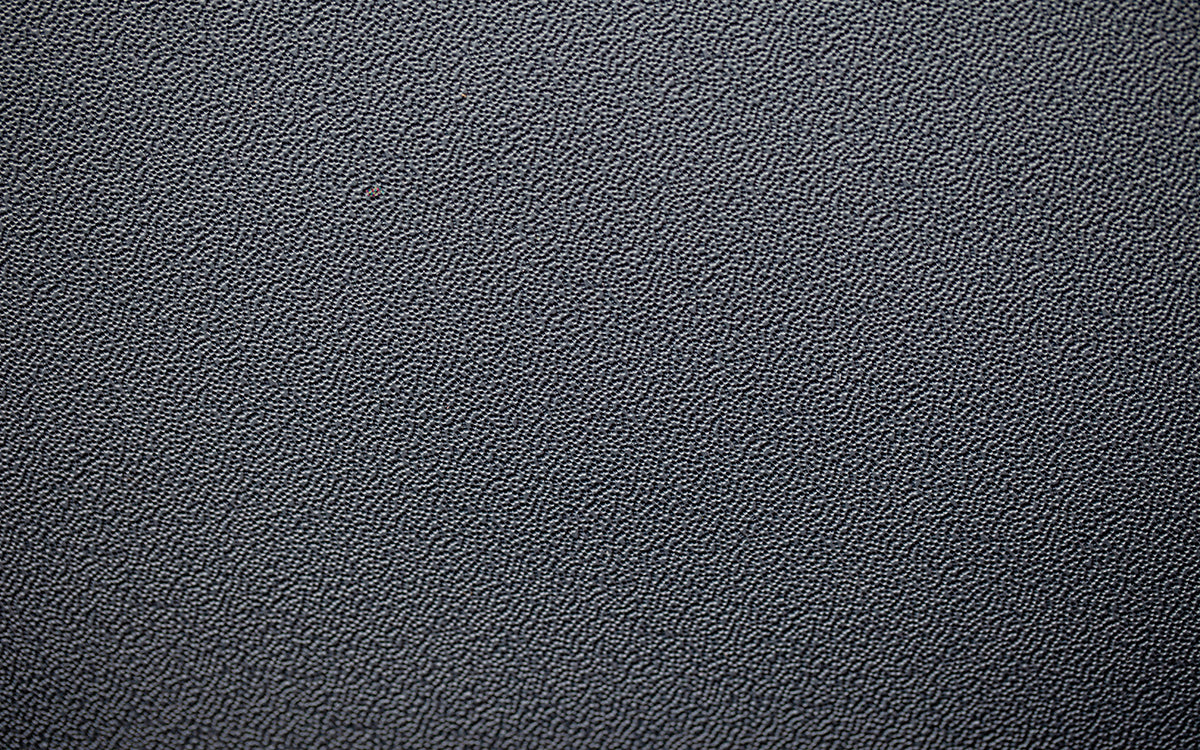
Polypropylene is stiffer than woven strips. You notice it while threading – the strip does not kink away, it pushes straight through the mesh – and you see it later on the fence: the surface stays flat instead of rippling between the rods. The finish is matte, so it does not reflect.
Technical Data
- Roll length: 26 m
- Strip height: 190 mm
- Material: polypropylene (PP)
- Surface: matte, fully opaque
- Coverage: approx. 5 m² per roll
- Colors: anthracite gray, gray, moss green, jet black
Two Spots Nobody Thinks About
Between the second-to-last vertical rod and the fence post there is a gap that no strip covers. That is exactly where people see through from the street. The privacy gap strip is made for it. At a swing gate, the same gap opens up between the last rod and the gate frame – there a clamping rail closes it off. You will find both under Clamping Rails & Privacy Screen Accessories.
Calculating Quantity
The number of rows equals the fence height divided by the 200 mm mesh height; multiply the result by the fence length. A 1.80 m high fence over 15 m needs nine rows and therefore 135 linear meters, which comes to six rolls.
Manufacturer:
Kirchberger Metall Onlinevertrieb GmbH
Neunburger Str. 2c
92431 Neunburg v. W. / Seebarn
Germany
Contact:
Email: shop@kirchberger-metall.de
Telephone: +49 (0) 9672 9269110


