

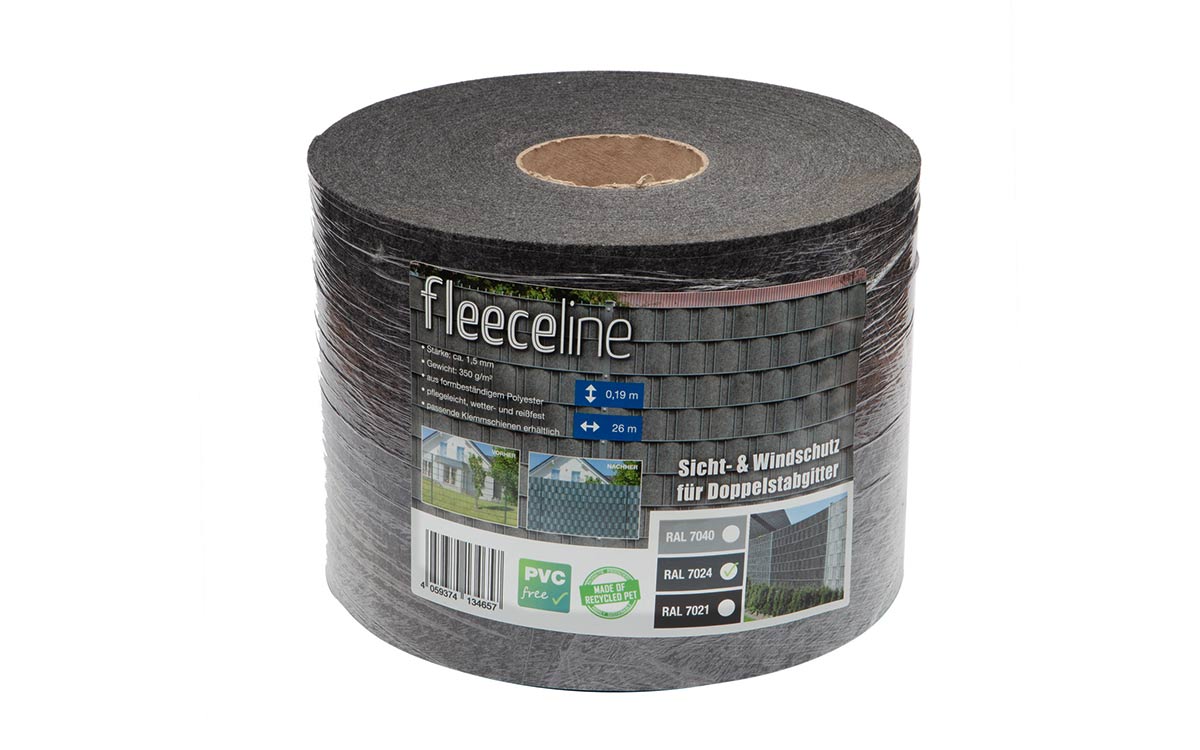
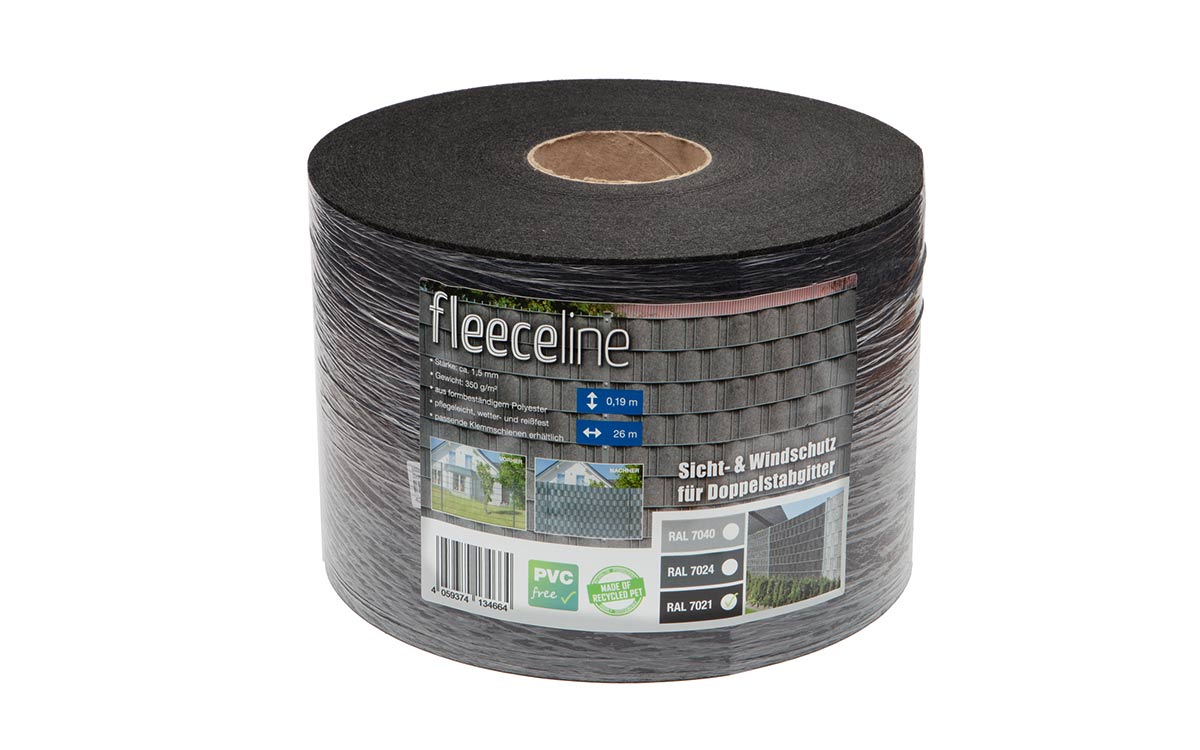
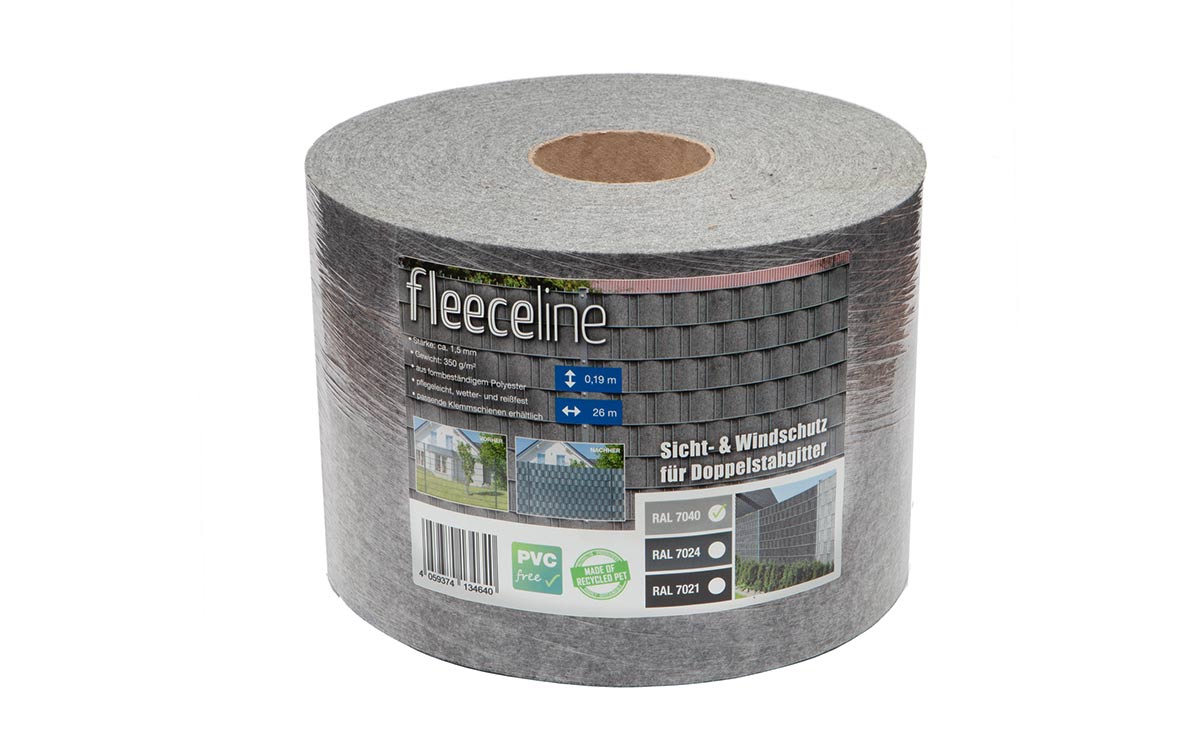
fleeceline Fleece Privacy Screen Roll 190 mm x 26 m in Recycled Polyester
Color
Parcel or freight item: plus shipping, free shipping within Germany from €1,000 Shipping info
Spedition/Paketdienst mit Terminankündigung (Avis)
Sie erhalten Ihr Angebot als PDF per E-Mail – in der Regel sofort. Produkt, Ausführung und Menge übernehmen wir unverändert.
Wir haben Ihre Anfrage aufgenommen. Das Angebot erreicht Sie gleich per E-Mail – schauen Sie bitte auch im Spam-Ordner nach.
- Service & Beratung
- Kauf auf Rechnung (B2B)
- Fachbetrieb seit 1955
- Sichere Bestellung mit Käuferschutz


Choose options
Color
Parcel or freight item: plus shipping, free shipping within Germany from €1,000 Shipping info
Spedition/Paketdienst mit Terminankündigung (Avis)
Sie erhalten Ihr Angebot als PDF per E-Mail – in der Regel sofort. Produkt, Ausführung und Menge übernehmen wir unverändert.
Wir haben Ihre Anfrage aufgenommen. Das Angebot erreicht Sie gleich per E-Mail – schauen Sie bitte auch im Spam-Ordner nach.
- Service & Beratung
- Kauf auf Rechnung (B2B)
- Fachbetrieb seit 1955
- Sichere Bestellung mit Käuferschutz
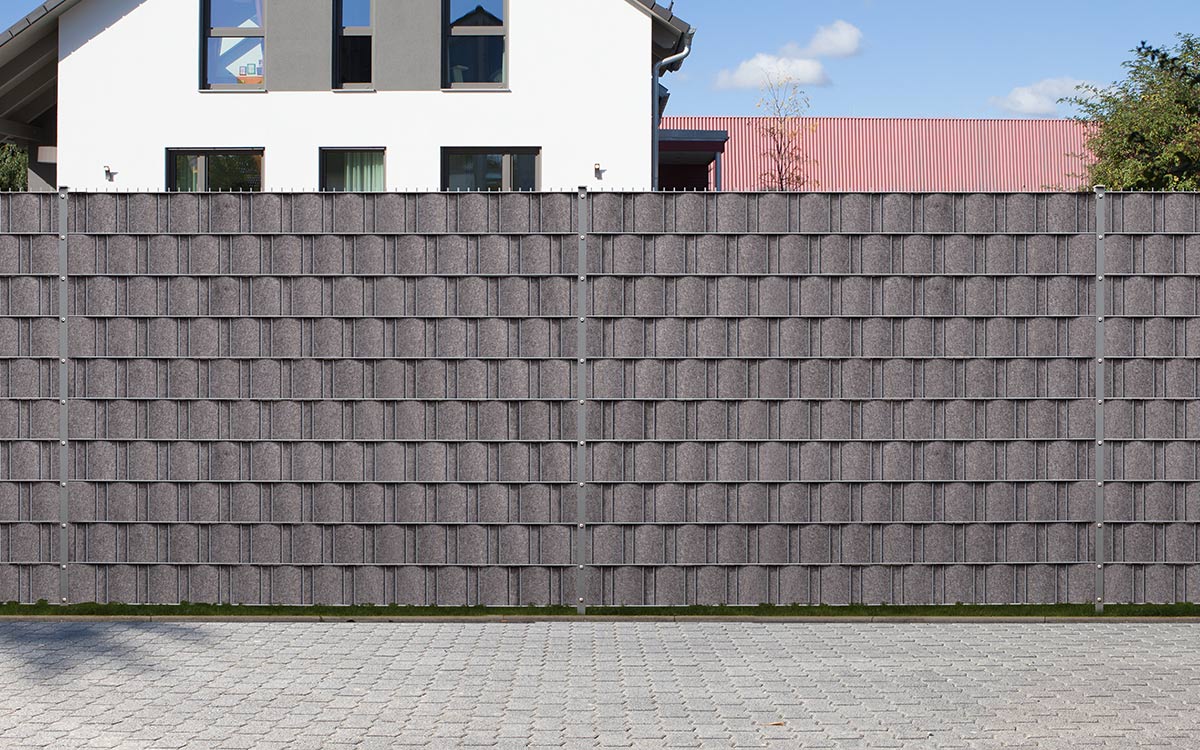
fleeceline Privacy Screen Roll – Fleece Instead of a Plastic Strip
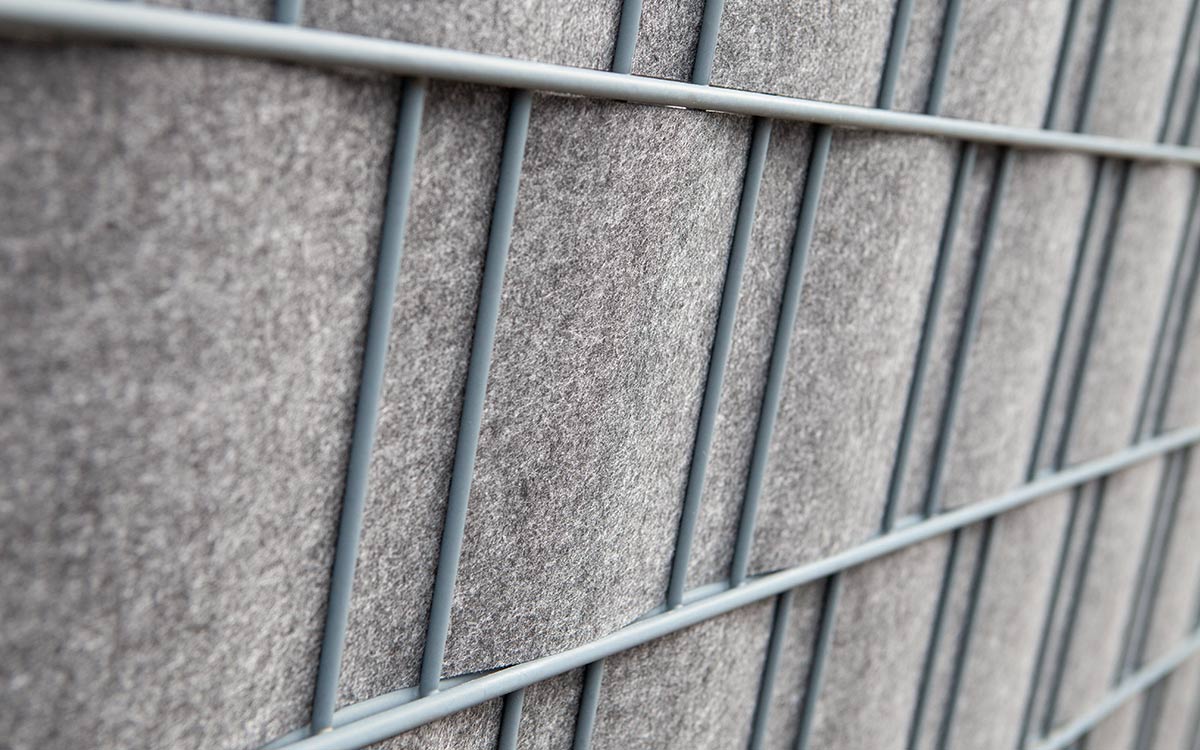
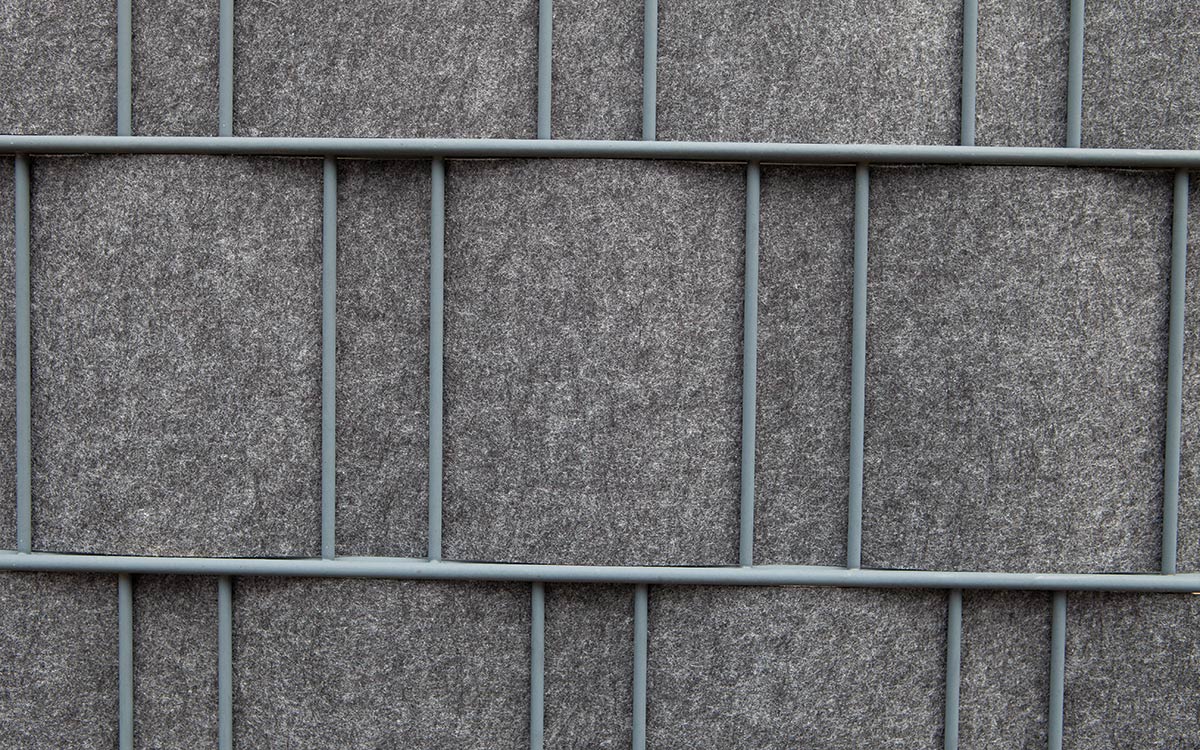
fleeceline does not look like plastic. The material is a fleece made from dimensionally stable polyester, matte and lightly textured, and on the fence it reads more like a textile than a film. If you do not care for the technical look of a smooth privacy screen, this is the one.
Made from PET Bottles
The manufacturer states that each roll contains the material of 101 PET bottles. At 1.5 mm, the fleece is thicker than a plastic strip – threading it takes a little more effort, but it sits more tightly in the mesh and slips less.
Technical Data
- Roll length: 26 m
- Strip height: 190 mm
- Material thickness: approx. 1.5 mm
- Coverage: approx. 5 m² per roll
- Material: dimensionally stable polyester
- Colors: similar to RAL 7024 graphite gray, RAL 7021 black gray, RAL 7040 window gray
About the Color
The specifications deliberately say “similar to RAL”. A fleece cannot be coated to an exact RAL shade the way sheet metal can – the color sits in the fiber. If your fence is exactly RAL 7016, expect a visible difference. Two distinct color tones side by side often look better than one shade that just misses the mark.
Clamping rails and dispensers under Clamping Rails & Privacy Screen Accessories.
Manufacturer:
Kirchberger Metall Onlinevertrieb GmbH
Neunburger Str. 2c
92431 Neunburg v. W. / Seebarn
Germany
Contact:
Email: shop@kirchberger-metall.de
Telephone: +49 (0) 9672 9269110


