


BLICKDICHT cube Privacy Screen Roll 190 mm x 35 m with 3D Texture
Color
Parcel or freight item: plus shipping, free shipping within Germany from €1,000 Shipping info
Spedition/Paketdienst mit Terminankündigung (Avis)
Sie erhalten Ihr Angebot als PDF per E-Mail – in der Regel sofort. Produkt, Ausführung und Menge übernehmen wir unverändert.
Wir haben Ihre Anfrage aufgenommen. Das Angebot erreicht Sie gleich per E-Mail – schauen Sie bitte auch im Spam-Ordner nach.
- Service & Beratung
- Kauf auf Rechnung (B2B)
- Fachbetrieb seit 1955
- Sichere Bestellung mit Käuferschutz


Choose options
Color
Parcel or freight item: plus shipping, free shipping within Germany from €1,000 Shipping info
Spedition/Paketdienst mit Terminankündigung (Avis)
Sie erhalten Ihr Angebot als PDF per E-Mail – in der Regel sofort. Produkt, Ausführung und Menge übernehmen wir unverändert.
Wir haben Ihre Anfrage aufgenommen. Das Angebot erreicht Sie gleich per E-Mail – schauen Sie bitte auch im Spam-Ordner nach.
- Service & Beratung
- Kauf auf Rechnung (B2B)
- Fachbetrieb seit 1955
- Sichere Bestellung mit Käuferschutz
Color
Parcel or freight item: plus shipping, free shipping within Germany from €1,000 Shipping info
Spedition/Paketdienst mit Terminankündigung (Avis)
Sie erhalten Ihr Angebot als PDF per E-Mail – in der Regel sofort. Produkt, Ausführung und Menge übernehmen wir unverändert.
Wir haben Ihre Anfrage aufgenommen. Das Angebot erreicht Sie gleich per E-Mail – schauen Sie bitte auch im Spam-Ordner nach.
- Service & Beratung
- Kauf auf Rechnung (B2B)
- Fachbetrieb seit 1955
- Sichere Bestellung mit Käuferschutz
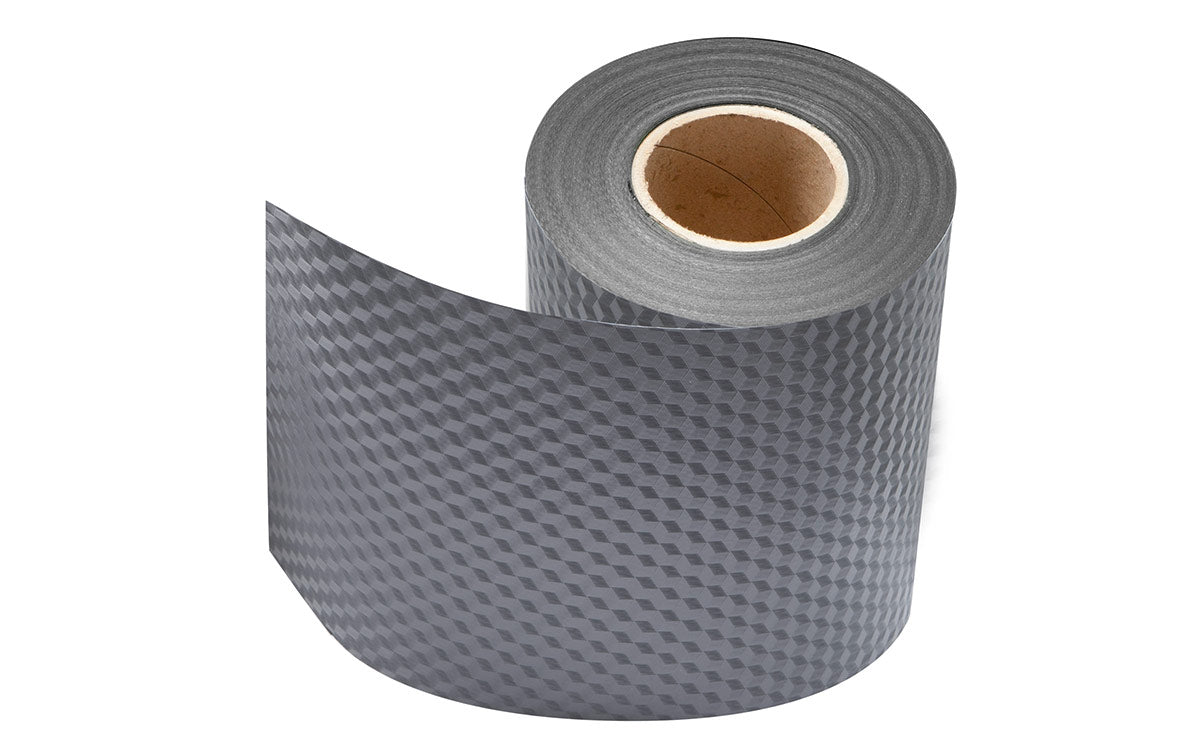
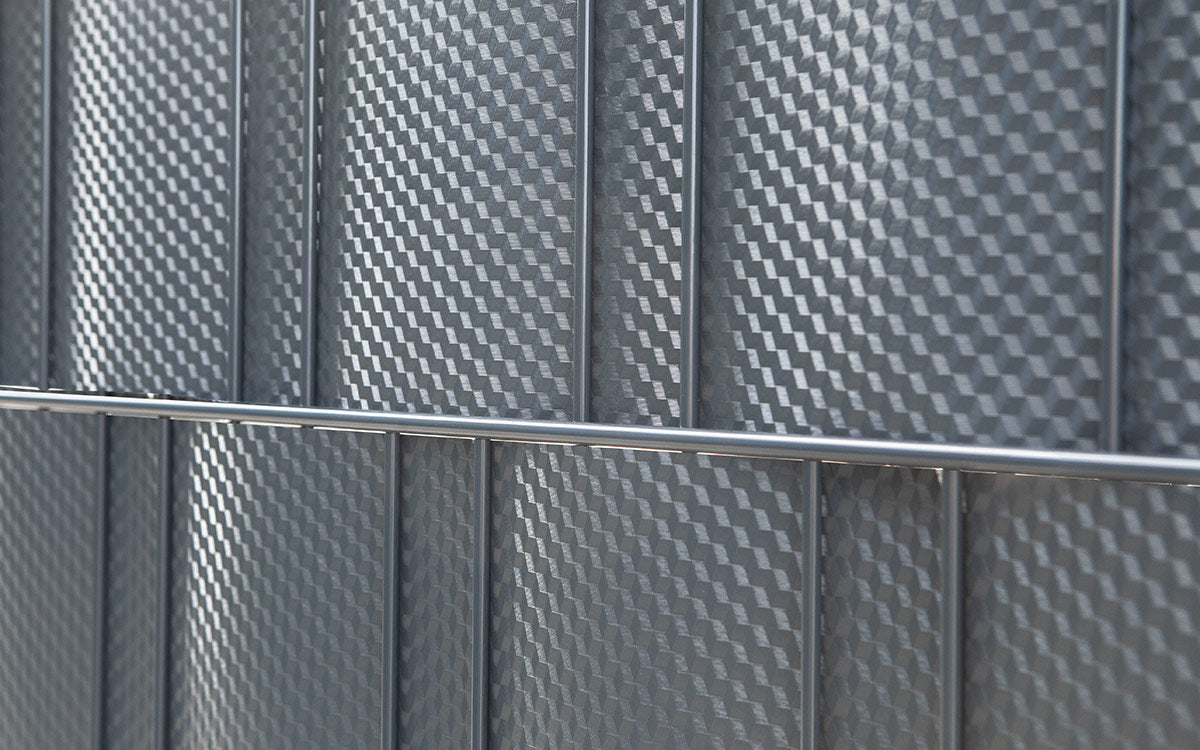
BLICKDICHT cube Privacy Screen Roll – Cube Texture Instead of a Flat Surface
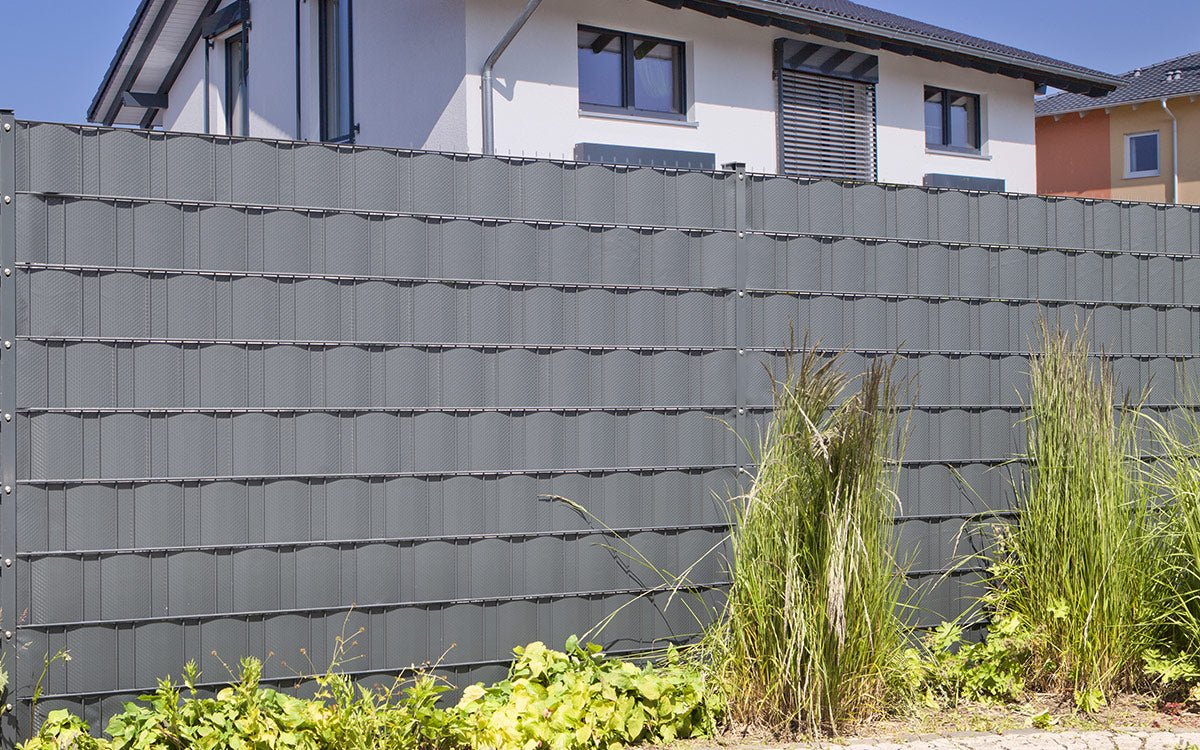
The cube version differs from the smooth strip in its embossed surface: small, offset squares that break up the light. From a few meters away, the fence no longer reads as a solid plastic panel but gains depth. Anyone who has seen a smooth privacy screen in the midday sun knows why that makes a difference.
Two Sides, Two Looks
One side has a high-gloss finish with the 3D texture, the other is matte. You decide which side faces the street as you thread the strips in. Feed every run in the same way around – a switch will show up at the latest when the sun sits low.
Technical Data
- Roll length: 35 m
- Strip height: 190 mm
- Material thickness: 0.5 mm
- Coverage: approx. 7.0 m² per roll
- Material: PES/PVC-coated polyester fabric
- Color: anthracite gray RAL 7016, one high-gloss side with 3D look, one matte side
Fits Every Double-Rod Mesh Panel
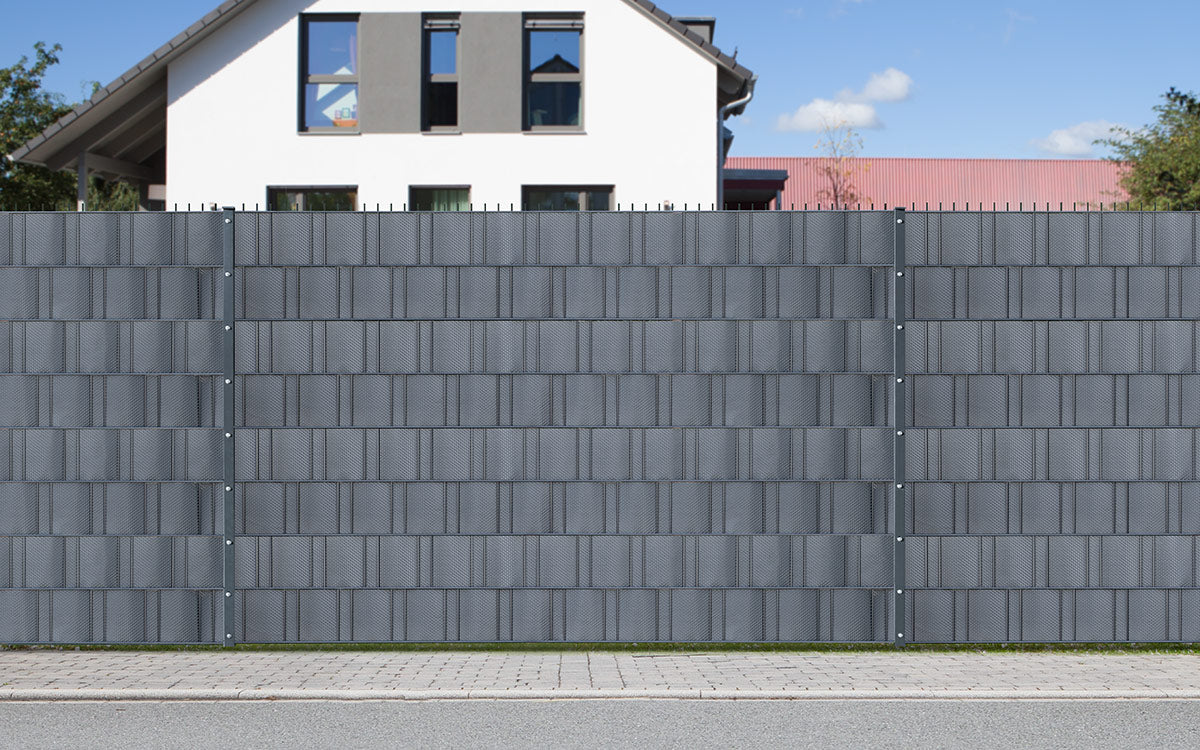
190 mm strip height for the 50 x 200 mm mesh size – so it fits 5/4/5, 6/5/6, 6/6/6, 6/8/6 and 8/6/8. The number of rows is the fence height divided by 200 mm; multiplied by the fence length, that gives you the linear meters.
Clamping rails for the ends of each run and the dispenser are available under Clamping Rails & Privacy Screen Accessories, and the matching fence under Double-Rod Mesh Fences.
Manufacturer:
Kirchberger Metall Onlinevertrieb GmbH
Neunburger Str. 2c
92431 Neunburg v. W. / Seebarn
Germany
Contact:
Email: shop@kirchberger-metall.de
Telephone: +49 (0) 9672 9269110


