


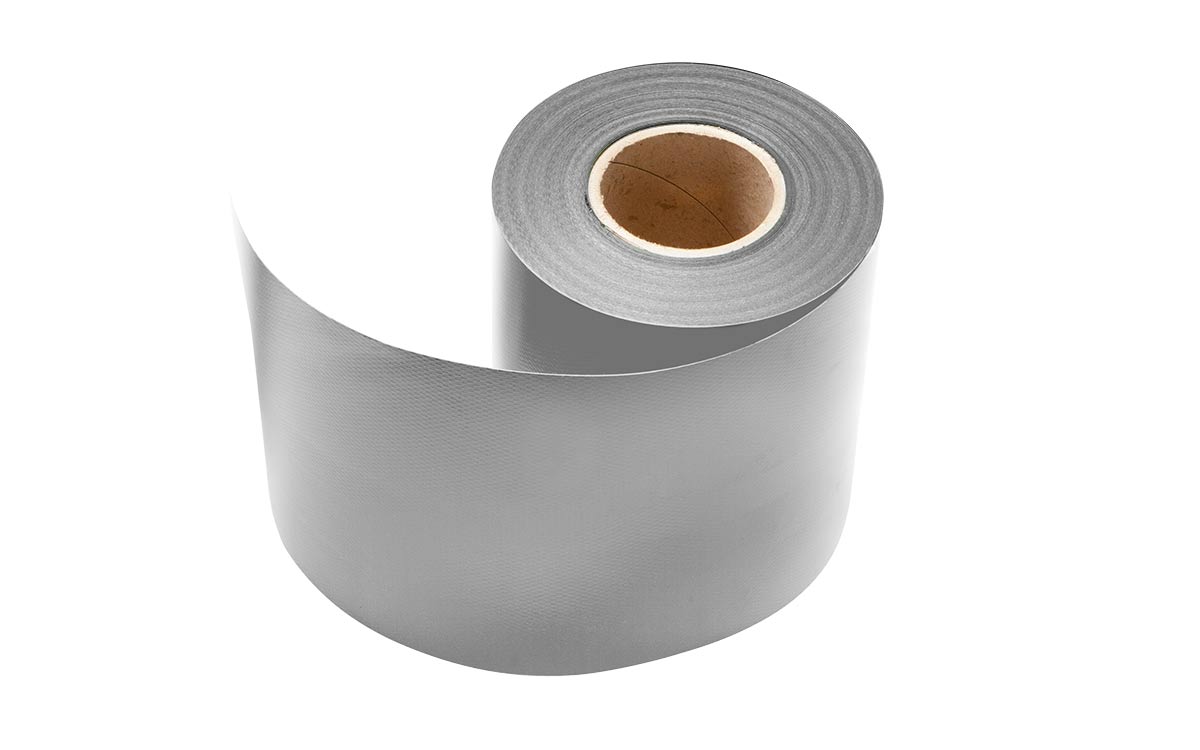
Privacy Screen Roll A1 BLICKDICHT 190 mm x 35 m for Double-Rod Mesh Fence
Color
Parcel or freight item: plus shipping, free shipping within Germany from €1,000 Shipping info
Spedition/Paketdienst mit Terminankündigung (Avis)
Sie erhalten Ihr Angebot als PDF per E-Mail – in der Regel sofort. Produkt, Ausführung und Menge übernehmen wir unverändert.
Wir haben Ihre Anfrage aufgenommen. Das Angebot erreicht Sie gleich per E-Mail – schauen Sie bitte auch im Spam-Ordner nach.
- Service & Beratung
- Kauf auf Rechnung (B2B)
- Fachbetrieb seit 1955
- Sichere Bestellung mit Käuferschutz


Choose options
Color
Parcel or freight item: plus shipping, free shipping within Germany from €1,000 Shipping info
Spedition/Paketdienst mit Terminankündigung (Avis)
Sie erhalten Ihr Angebot als PDF per E-Mail – in der Regel sofort. Produkt, Ausführung und Menge übernehmen wir unverändert.
Wir haben Ihre Anfrage aufgenommen. Das Angebot erreicht Sie gleich per E-Mail – schauen Sie bitte auch im Spam-Ordner nach.
- Service & Beratung
- Kauf auf Rechnung (B2B)
- Fachbetrieb seit 1955
- Sichere Bestellung mit Käuferschutz
Color
Parcel or freight item: plus shipping, free shipping within Germany from €1,000 Shipping info
Spedition/Paketdienst mit Terminankündigung (Avis)
Sie erhalten Ihr Angebot als PDF per E-Mail – in der Regel sofort. Produkt, Ausführung und Menge übernehmen wir unverändert.
Wir haben Ihre Anfrage aufgenommen. Das Angebot erreicht Sie gleich per E-Mail – schauen Sie bitte auch im Spam-Ordner nach.
- Service & Beratung
- Kauf auf Rechnung (B2B)
- Fachbetrieb seit 1955
- Sichere Bestellung mit Käuferschutz
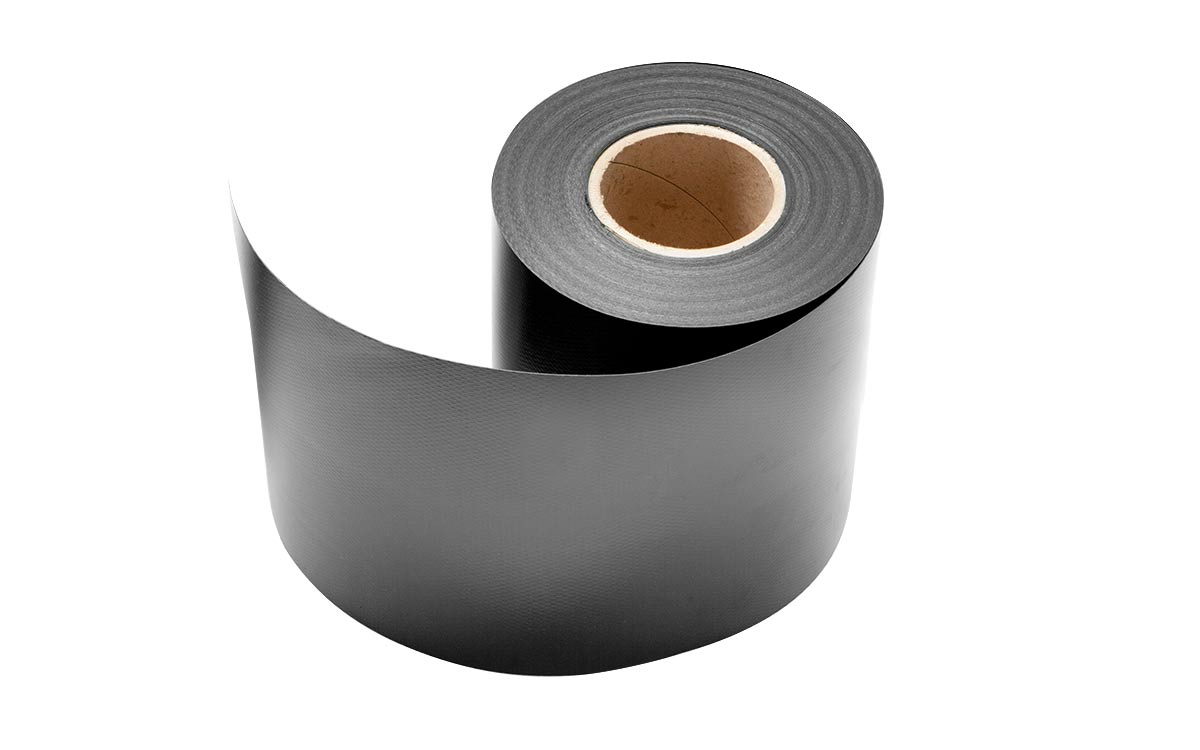
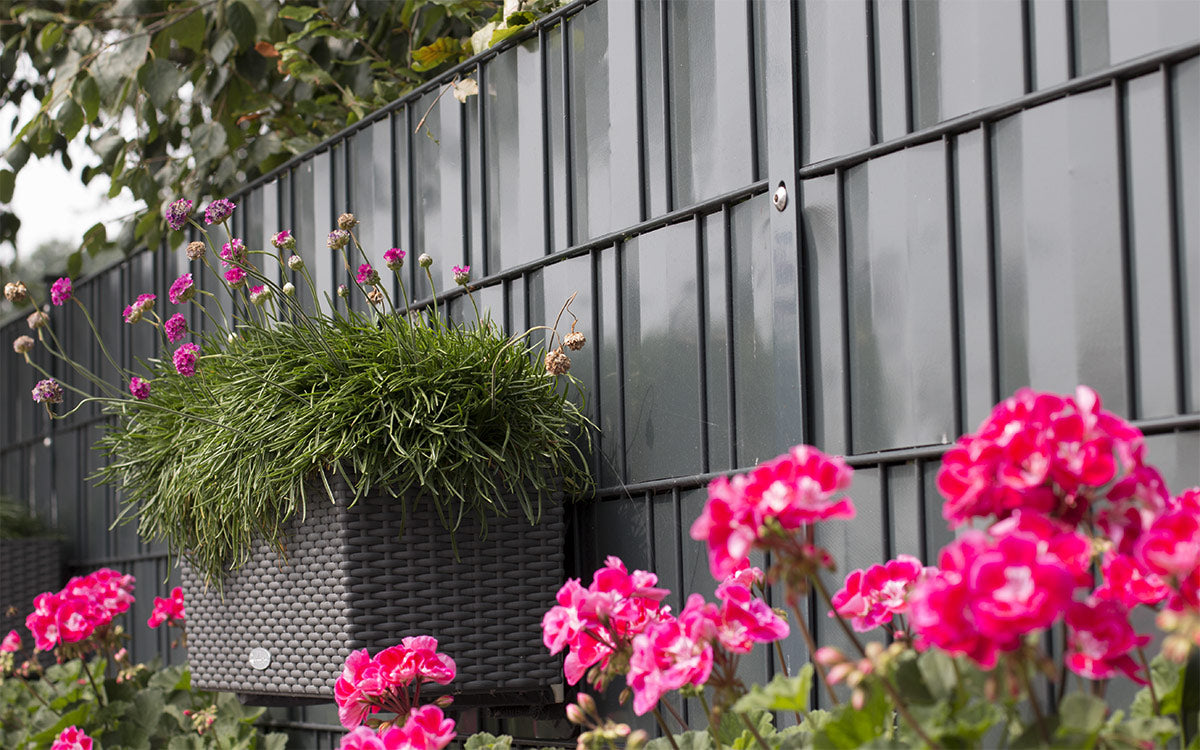
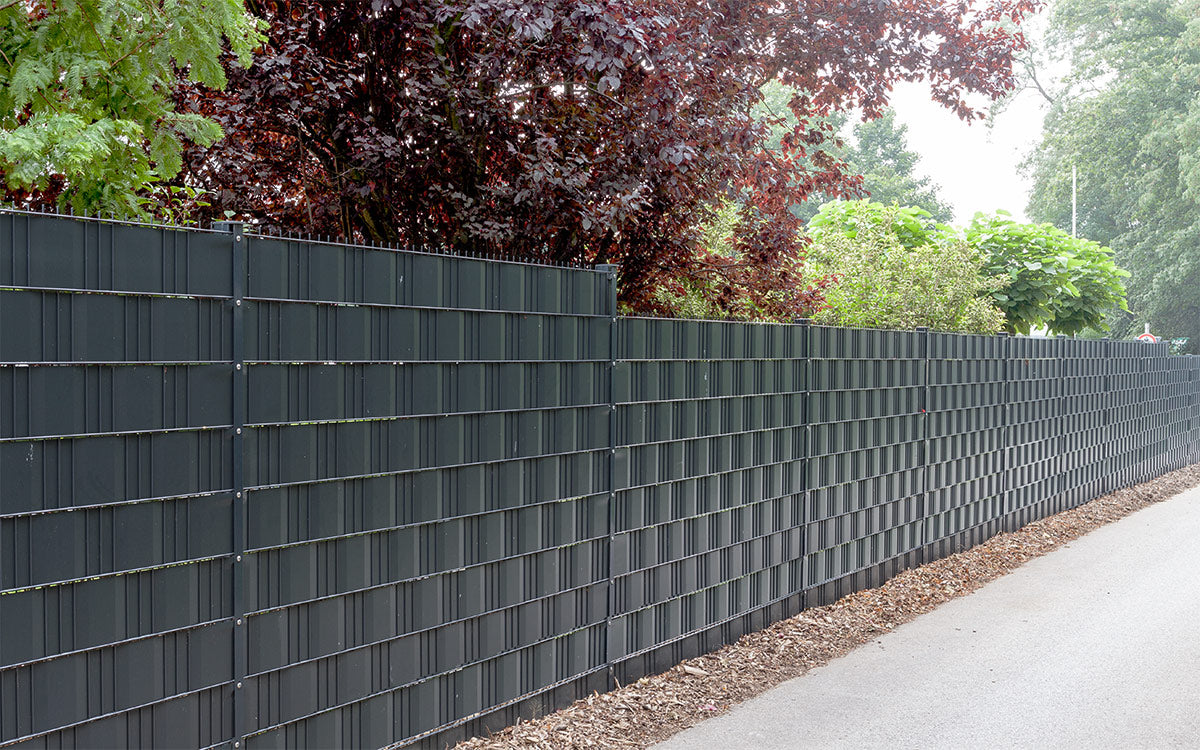
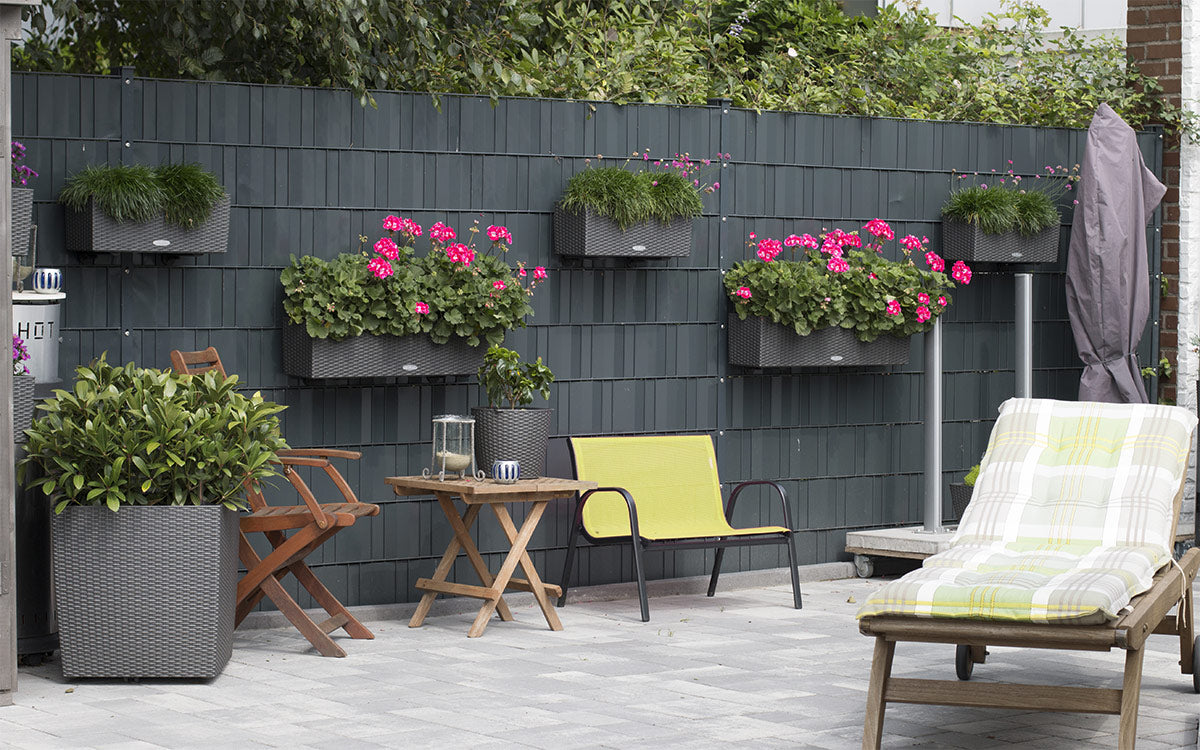
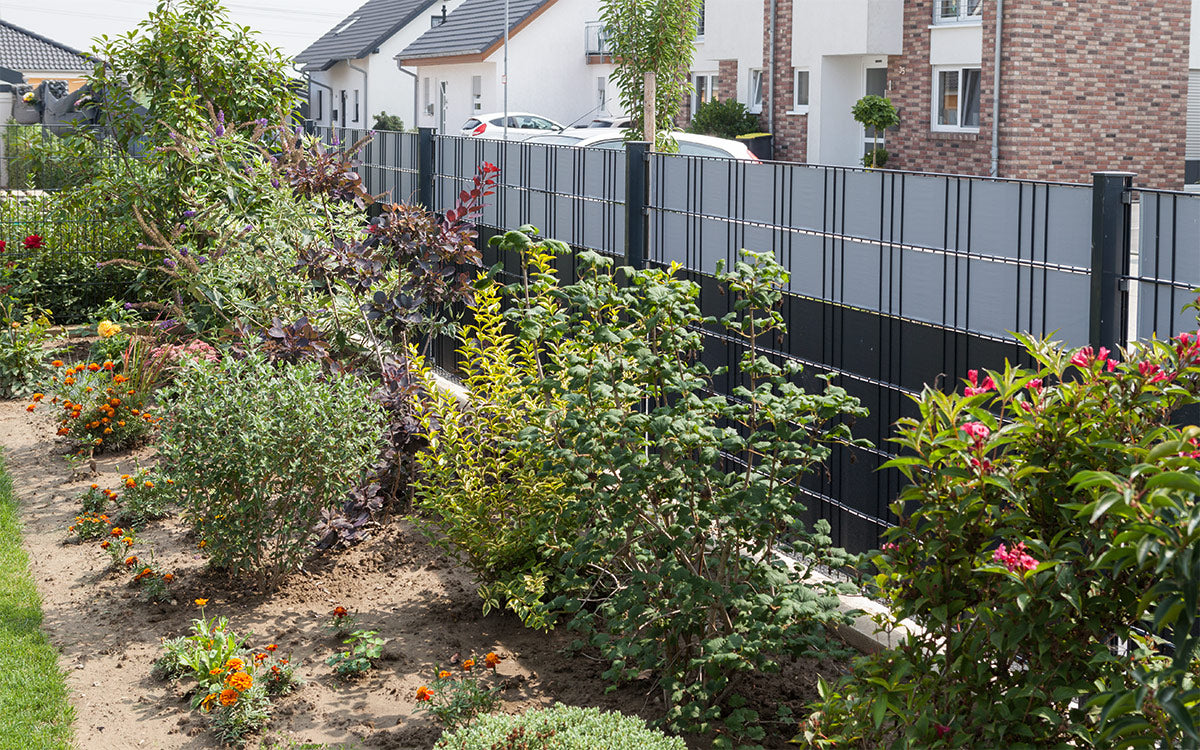
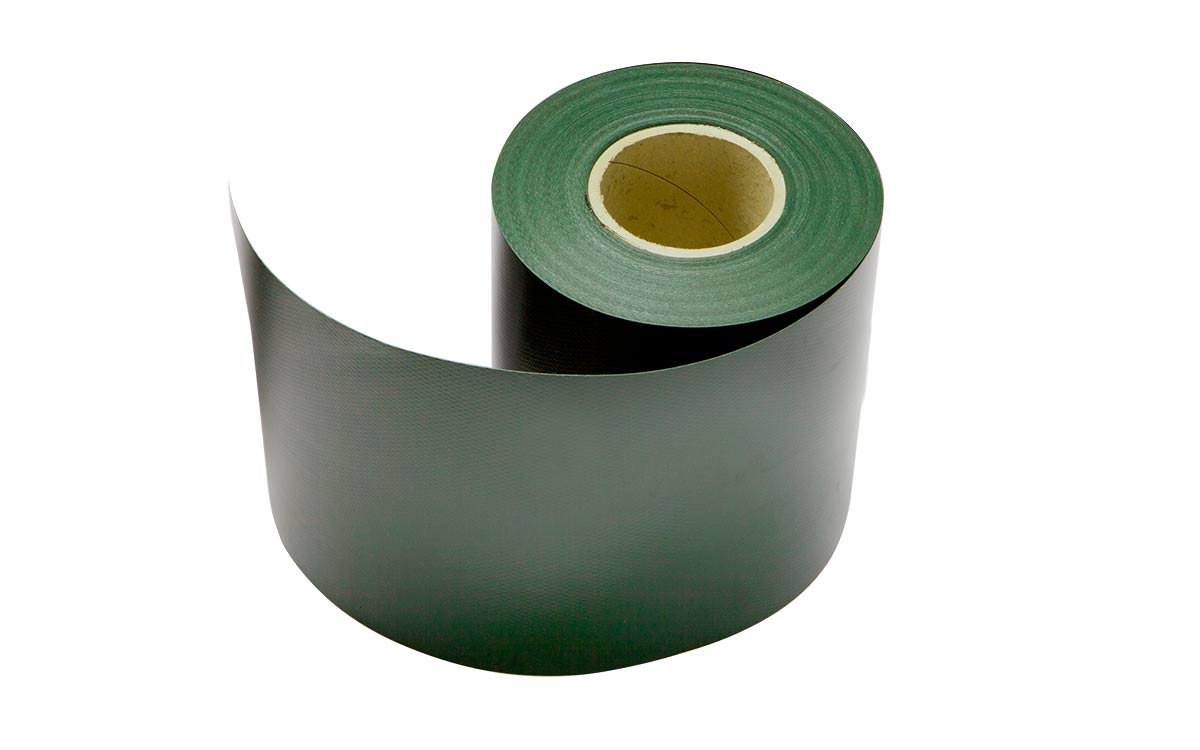
Privacy and Wind Screen Roll A1 BLICKDICHT for Double-Rod Mesh Fences
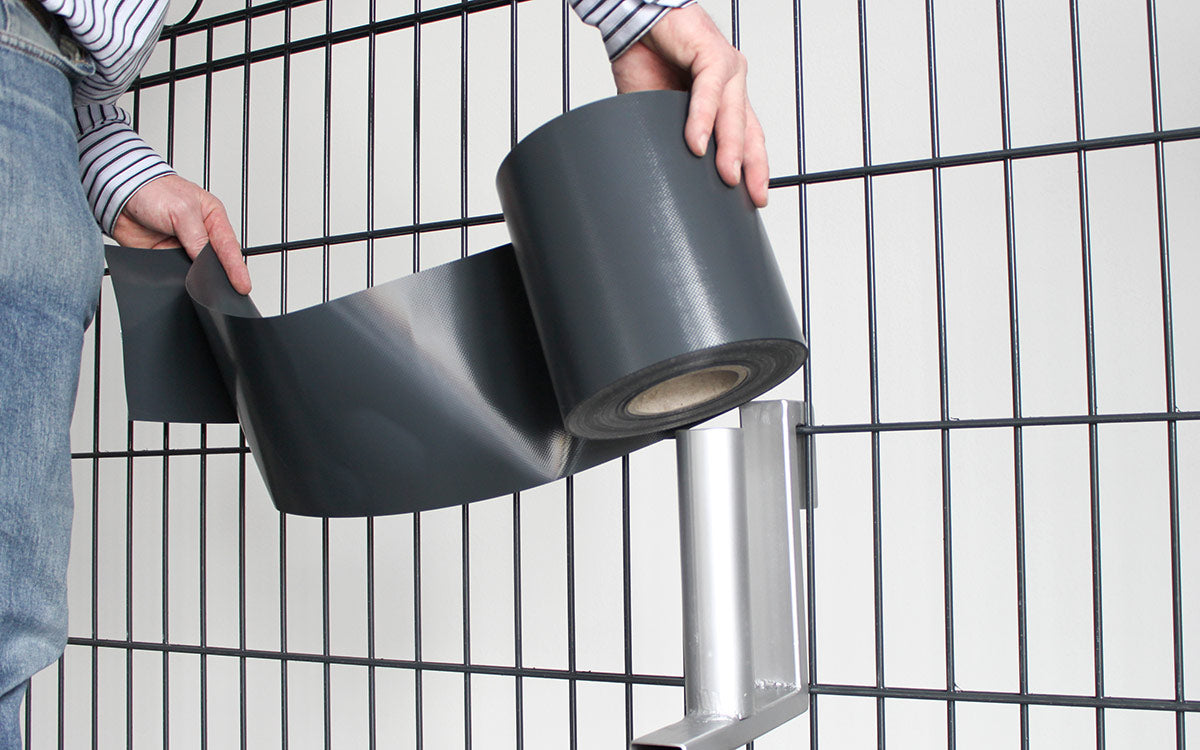
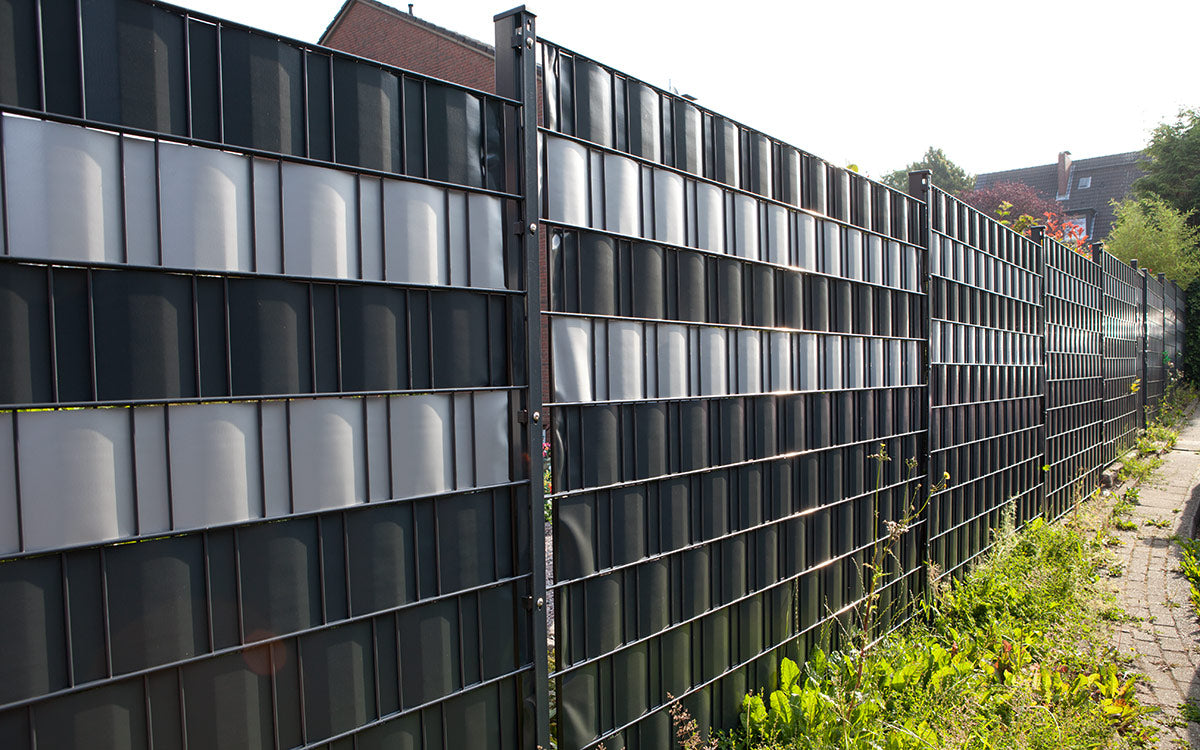
35 meters in one piece. You pull the strip through the mesh without having to start again at every post. This means that no visible joint appears at the bay transitions, of the kind that pre-cut individual strips inevitably leave behind. Seen from the street, the fence looks like one continuous surface.
Why 190 mm and not 200
The double-rod mesh has a mesh size of 50 x 200 mm. If the strip were a full 200 mm high, it would not pass through between the horizontal double rods. The ten millimeters of clearance are the reason why the strip can be threaded in – and why it then stays in place through friction. It therefore fits 5/4/5, 6/5/6, 6/6/6, 6/8/6 and 8/6/8 equally well.
Technical data
- Roll length: 35 m
- Strip height: 190 mm
- Material thickness: around 0.5 mm
- Weight per unit area: 630 g/m²
- Coverage: around 7.0 m² per roll
- Colors: anthracite gray RAL 7016, moss green RAL 6005, white aluminum RAL 9006
How much you need
Calculate using the rows, not the area. The number of strip rows is the fence height divided by the mesh height of 200 mm. A fence 1.20 m high therefore has six rows; over a length of 20 m that is 120 linear meters and thus four rolls. On many panels the bottom mesh sits so close above the ground that there is hardly any room to work there – feel free to calculate with one row less and take a look on site.
When threading it in
Work from top to bottom and pull every strip in the same direction. Anyone who changes direction will see it later in the way the light falls. At 35 meters an unroller is worthwhile: without it the roll constantly lies in the dirt and twists, with it the strip runs off freely. You will find it under Clamping Strips & Privacy Screen Accessories.
Securing the ends
The strip is held in place by friction alone. At the ends of the strips it works its way out in the wind, and after two summers the top row sits crooked. Fit a clamping rail at every strip end for this reason. That is the difference between a fence that still looks straight after five years and one that frays.
You will find the matching fence under Double-Rod Mesh Fences.
Manufacturer:
Kirchberger Metall Onlinevertrieb GmbH
Neunburger Str. 2c
92431 Neunburg v. W. / Seebarn
Germany
Contact:
Email: shop@kirchberger-metall.de
Telephone: +49 (0) 9672 9269110


