


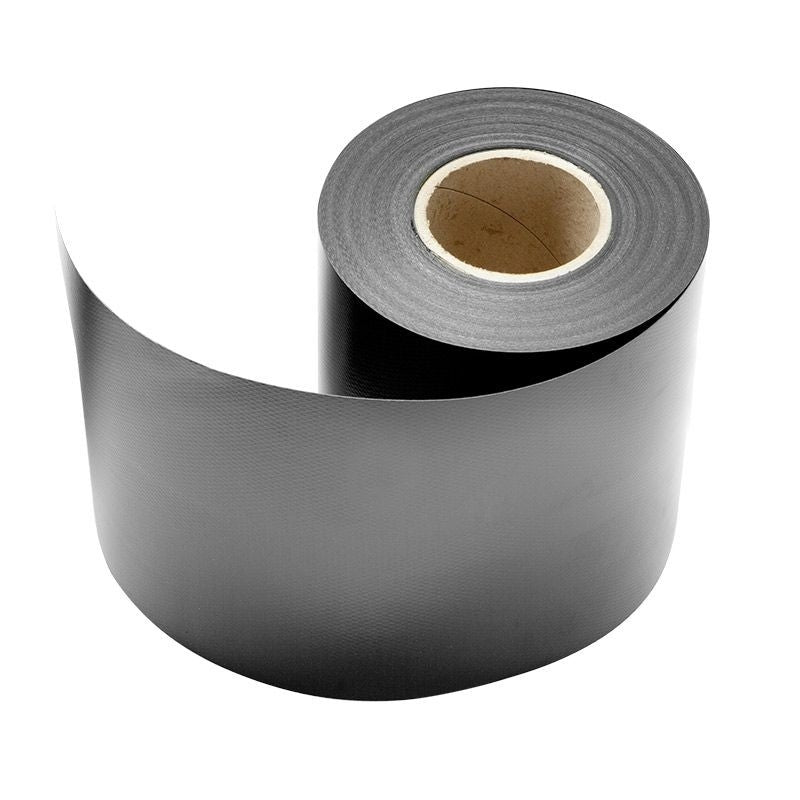
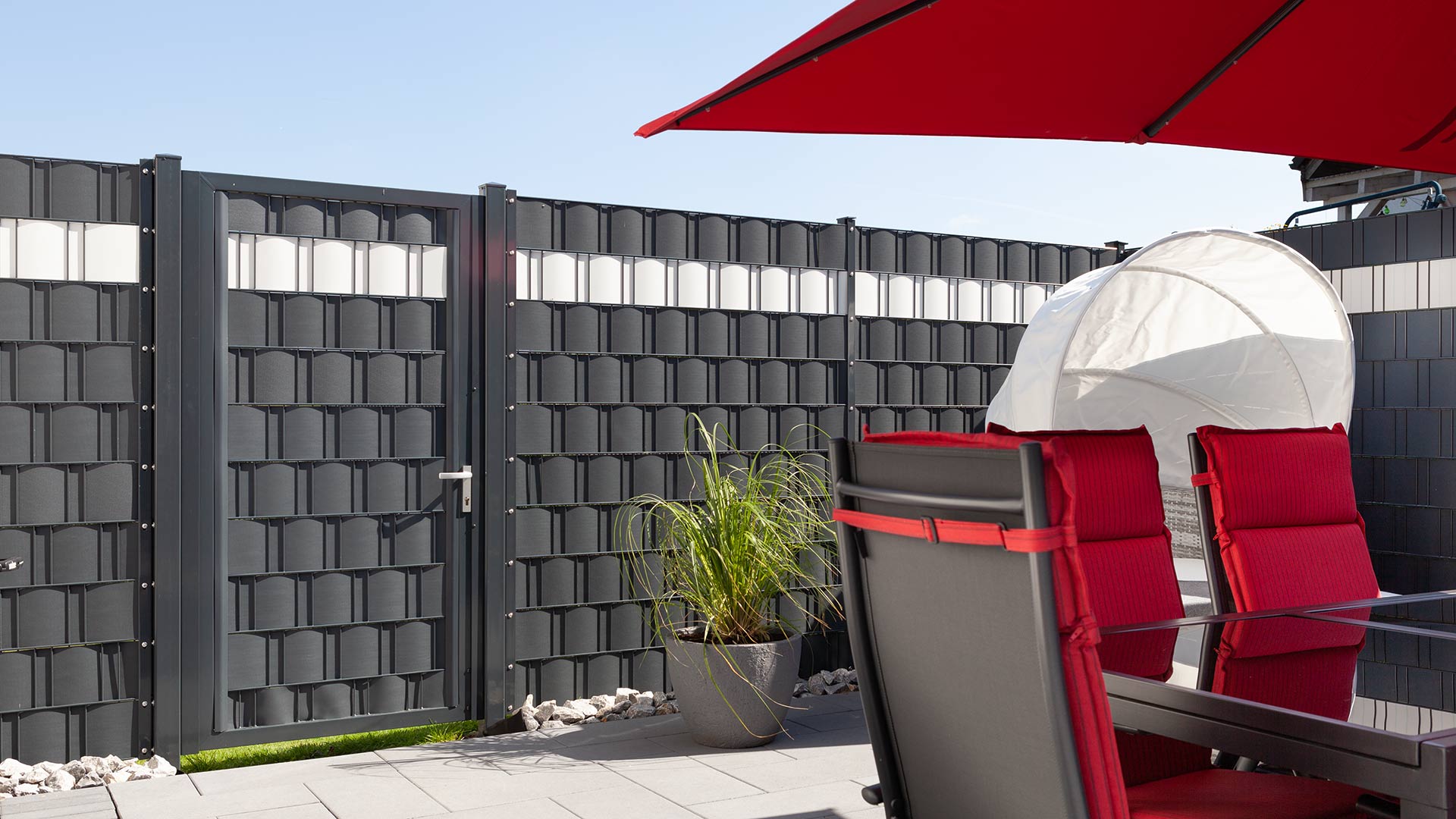
A1-Blickdicht Privacy Screening by the Meter, Cut Roll 190 mm, 100 m Pack
Color
Parcel or freight item: plus shipping, free shipping within Germany from €1,000 Shipping info
Spedition/Paketdienst mit Terminankündigung (Avis)
Sie erhalten Ihr Angebot als PDF per E-Mail – in der Regel sofort. Produkt, Ausführung und Menge übernehmen wir unverändert.
Wir haben Ihre Anfrage aufgenommen. Das Angebot erreicht Sie gleich per E-Mail – schauen Sie bitte auch im Spam-Ordner nach.
- Service & Beratung
- Kauf auf Rechnung (B2B)
- Fachbetrieb seit 1955
- Sichere Bestellung mit Käuferschutz


Choose options
Color
Parcel or freight item: plus shipping, free shipping within Germany from €1,000 Shipping info
Spedition/Paketdienst mit Terminankündigung (Avis)
Sie erhalten Ihr Angebot als PDF per E-Mail – in der Regel sofort. Produkt, Ausführung und Menge übernehmen wir unverändert.
Wir haben Ihre Anfrage aufgenommen. Das Angebot erreicht Sie gleich per E-Mail – schauen Sie bitte auch im Spam-Ordner nach.
- Service & Beratung
- Kauf auf Rechnung (B2B)
- Fachbetrieb seit 1955
- Sichere Bestellung mit Käuferschutz
Color
Parcel or freight item: plus shipping, free shipping within Germany from €1,000 Shipping info
Spedition/Paketdienst mit Terminankündigung (Avis)
Sie erhalten Ihr Angebot als PDF per E-Mail – in der Regel sofort. Produkt, Ausführung und Menge übernehmen wir unverändert.
Wir haben Ihre Anfrage aufgenommen. Das Angebot erreicht Sie gleich per E-Mail – schauen Sie bitte auch im Spam-Ordner nach.
- Service & Beratung
- Kauf auf Rechnung (B2B)
- Fachbetrieb seit 1955
- Sichere Bestellung mit Käuferschutz
A1-Blickdicht privacy screening by the meter – the clearance lot
This is the same privacy screening as on the 35-meter roll, only cheaper. The reason: these are cut rolls left over from production. You get the number of running meters you order, but not necessarily as one single roll.
What you need to know beforehand
Depending on the quantity, the delivery consists of several rolls of differing lengths. So if you are planning one continuous run over the whole length of the fence, this is the wrong item – take the 35-meter roll instead. Anyone who starts a new run at every second panel anyway, or can cut a longer piece down, saves a good deal here.
Technical data
- Pack: 100 running meters
- Strip height: 190 mm
- Delivery: as cut rolls, number and length vary
- Colors: anthracite gray RAL 7016, moss green RAL 6005, silver
Why 100 meters
We do not offer smaller quantities. A few meters of privacy screening travel the same shipping route as a hundred, and with free delivery that does not pay for itself below this quantity. On a fence 1.20 m high, 100 meters covers about 16 running meters of fence.
You will find clamping rails for securing the ends of the runs under Clamping Rails & Privacy Screening Accessories.
Manufacturer:
Kirchberger Metall Onlinevertrieb GmbH
Neunburger Str. 2c
92431 Neunburg v. W. / Seebarn
Germany
Contact:
Email: shop@kirchberger-metall.de
Telephone: +49 (0) 9672 9269110


