Bicycle Parking Systems: Infrastructure for Sustainable Mobility Concepts
The provision of secure and functional bicycle parking spaces is a central component of modern traffic planning. Stationary bicycle parking systems promote the switch to cycling, relieve traffic areas, and efficiently organize public and private spaces. Kirchberger Metall's systems are designed for heavy use in urban areas, at company sites, educational institutions, and residential complexes. They offer organized parking and contribute significantly to theft prevention through mechanical barriers.
Types of Bicycle Stands and Their Applications
Depending on the site requirements and available space, different types of construction are used:
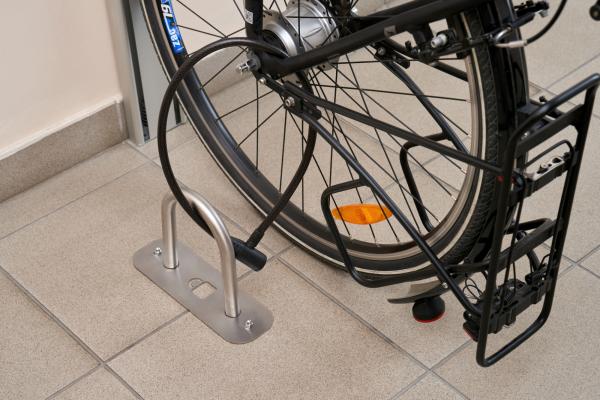
- Lean-to Racks (Bicycle Hoops):These are considered the standard for public and commercial areas. They allow for secure locking of the frame and are independent of tire width, making them suitable for mountain bikes with wide tires or e-bikes.
- Row Bicycle Racks (Bicycle Parkers):These systems allow for the accommodation of a large number of bicycles in a limited area. By staggering the wheel holders high and low, handlebars are prevented from interlocking, and parking density is maximized.
- Two-Tier Bicycle Racks:For locations with extremely limited footprint, two-tier racks offer a vertical expansion of parking capacity, which is particularly advantageous at transport hubs such as train stations.
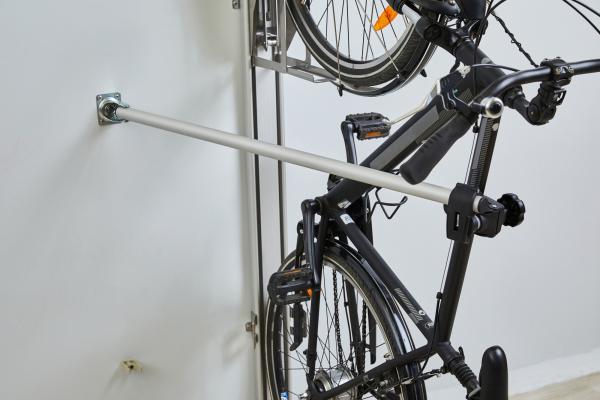
- Wall-Mounted Racks:This space-saving solution is mounted directly on building walls and is particularly suitable for narrow passageways or garages.
Technical Specifications and Material Quality
The longevity of an outdoor bicycle stand is largely determined by the choice of material. Primarily corrosion-resistant materials are used:
- Galvanized Steel:Hot-dip galvanizing according to DIN EN ISO 1461 provides robust protection against mechanical stresses and weather influences.
- Powder-Coated Steel/Aluminum:This surface finish allows for color design according to RAL Classic specifications and offers additional chemical protection.
- Stainless Steel:Ensures a high-quality appearance with maximum corrosion resistance and minimal maintenance.
Planning Guidelines: Spacing and Ergonomics
For safe and comfortable use, certain minimum dimensions must be observed during planning. The center-to-center distance between two parking spaces should be at least 50 cm, with a measurement of 70 to 80 cm considered ideal to avoid damage to vehicles when parking and unparking. Additional technical features such as an integrated lean-to or roll-away protection increase functionality and protect the bicycle paintwork.
Mounting Types and Installation
The stability of a bicycle stand depends on its anchoring in the ground. Three primary mounting types are distinguished:
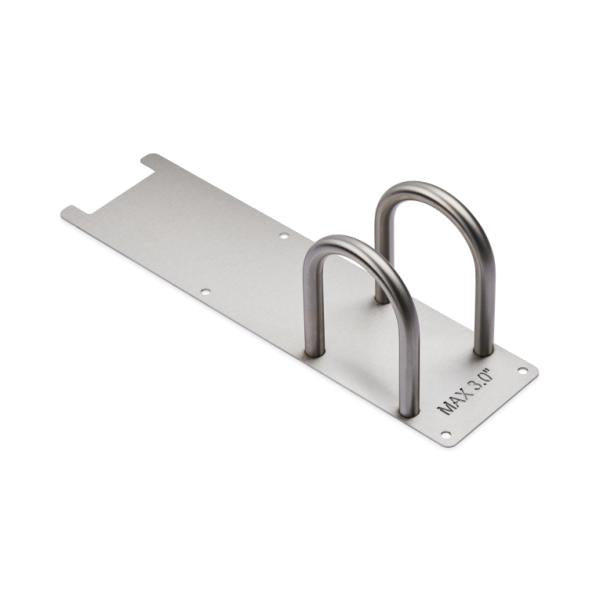
- Ground Mounting (Bolting Down):The system is screwed directly to the load-bearing ground using base plates.
- Embedding in Concrete:The extension of the posts is embedded in a site-provided point foundation, which offers the highest security against vandalism and unauthorized removal.
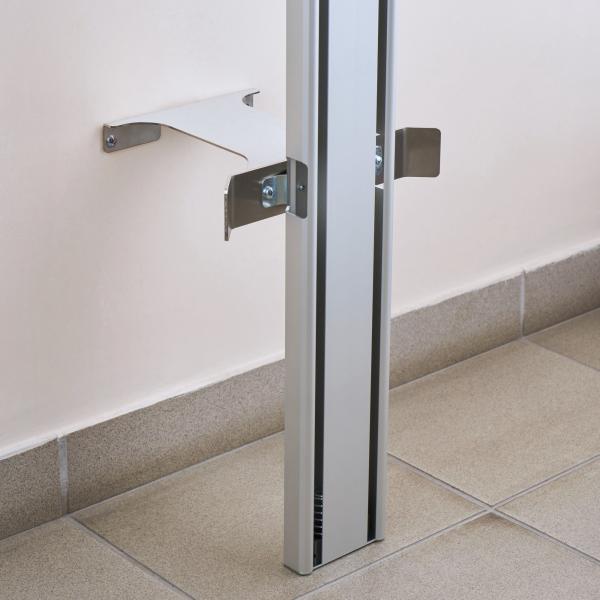
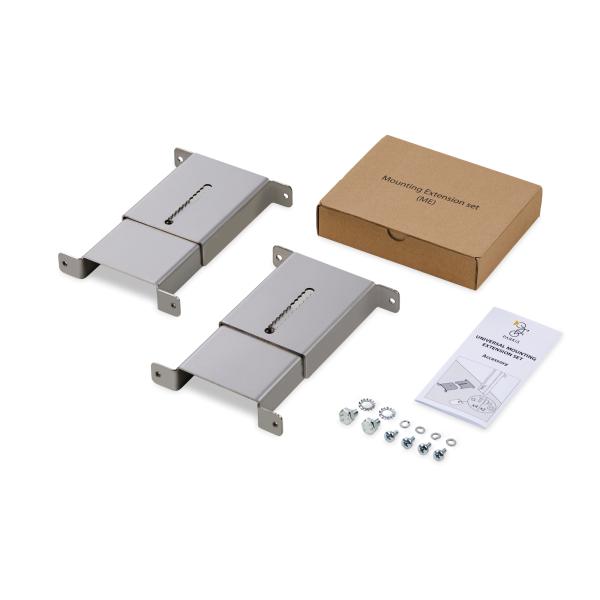
- Wall Mounting:Fastening is done directly to the masonry using heavy-duty anchors to keep the floor area clear.
Scooter Parkers: Organization Systems for Micro-Mobility
With the increasing popularity of e-scooters and kick scooters, the need for specialized parking solutions is growing. Scooter parkersare compactly designed holders that allow for organized parking of these small vehicles and prevent sidewalks or entrance areas from being blocked by loosely parked vehicles. These systems feature integrated eyelets or recesses that allow the scooter to be secured using chain or U-locks. Due to their small footprint, scooter parkers can be optimally integrated into existing bicycle parking facilities or positioned in functional niches on company and school premises.
Expansion with E-Bike Charging Stations
With the increasing proliferation of electric bicycles, the integration of charging infrastructure is gaining importance. E-bike charging stations combine secure parking with the possibility of charging batteries directly at the parking space. These systems are optimized for use in municipalities and on company premises and provide the necessary energy basis for promoting electric mobility in local transport. The technical design takes into account the necessary protection classes for electrical operation outdoors.